
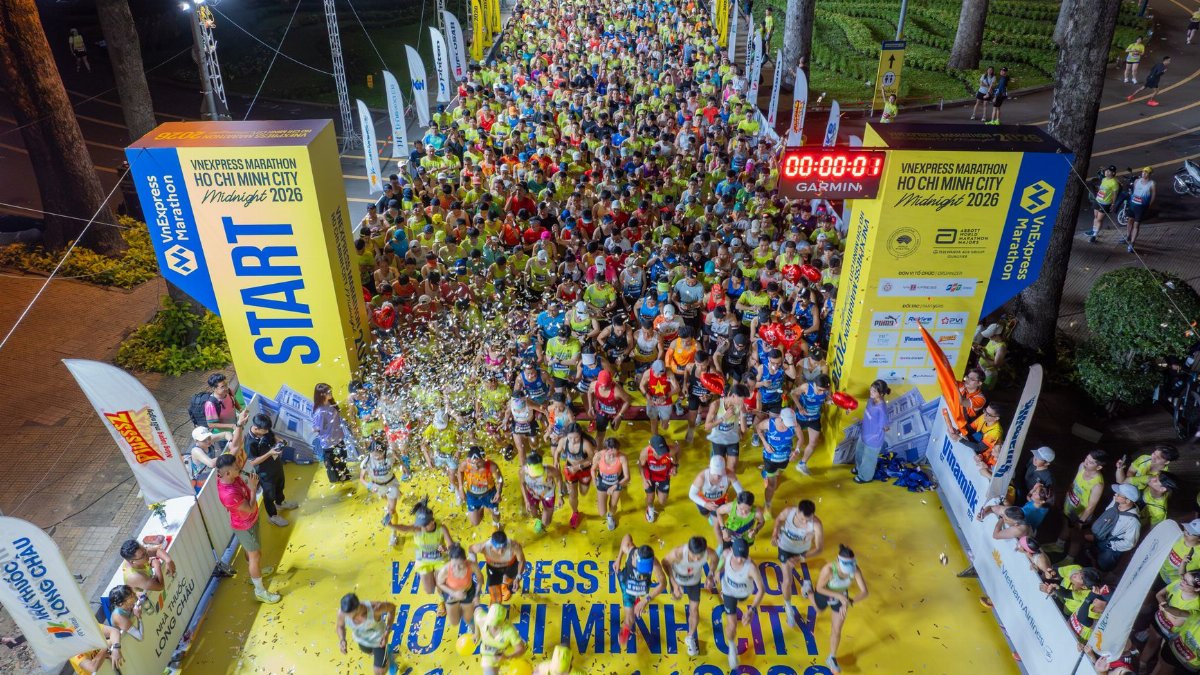
Saturday along the Schuylkill can feel like a month that does not belong to November. The air is soft. Spectators shed layers. Course marshals talk about sunscreen more than gloves. Philadelphia Marathon weather sits at the center of that odd gift: mild, almost April like conditions to open the weekend, and a Sunday start that looks dry enough for racers to get well down the course before rain becomes the story. About 22,000 people are expected, the biggest field in the history of the race. For them the forecast is not a curiosity. It is the difference between a measured effort and a day spent managing the sky.
A Saturday that feels borrowed
The opening day of marathon weekend is usually a festival of small errands. Packet pickup, bus questions, and nervous walks along the river fill the hours. This time the air joins the welcome. Saturday is described as mild, closer to April than to the raw edge many people expect in late November. That softness changes ordinary choices. Families linger. Runners test shoes without hunching into a cold wind. Volunteers tape signs that will not immediately fight sleet. None of this decides Sunday, yet it sets a civic mood. A gentle first day gives the city time to practice hospitality before rain becomes the sharper question. People remember a weekend by texture as much as by results. Dry pavement and an easy breeze can become the detail that lasts.
Race morning and a dry opening
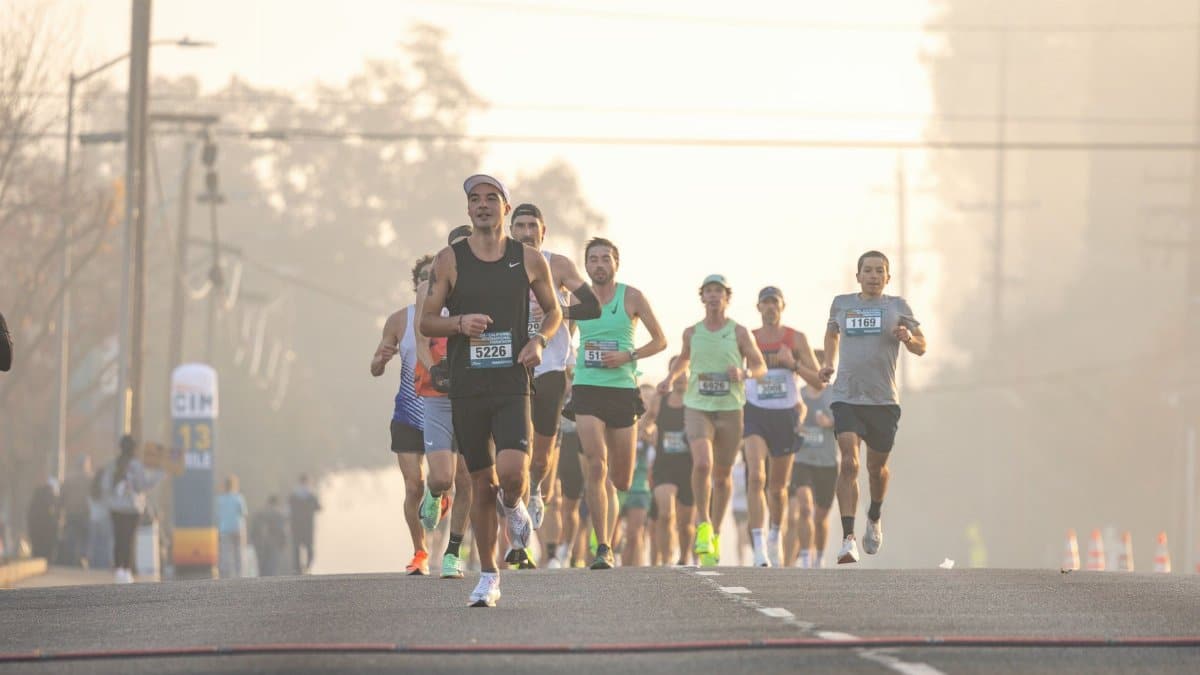
The delicate part of Philadelphia Marathon weather arrives with Sunday. The outlook, as framed for this weekend, points to a dry start. Racers may get well down the course before rain takes over the narrative. That distinction is easy to miss from a couch and hard to miss from a corral. A marathon is not a photo at the banner. It is a long occupation of streets, with slower runners still moving after the leaders have gone home to dry clothes. A clear gun does not promise a clear finish for the entire field. It does offer a window. Early miles without standing water let people settle into pace instead of negotiating puddles. Officials and athletes watch the clock of the sky, not only a general chance of showers. If the rain waits, November can feel briefly reasonable.
A record field on the streets
About 22,000 runners are expected, a figure organizers describe as the largest in the history of the race. Size changes weather from a private concern into a public one. More people means more drop bags, more families on corners, and more time between the first and last finisher. A shower that would annoy a small club run can snarl a city event. Medical tents think about chill if clothes get wet. Transit planners think about umbrellas and delayed buses. The record is a point of pride, and also a reason the forecast is read so closely. Philadelphia has hosted big races before. This weekend asks the streets to hold a bigger congregation of effort than they have held for this marathon. Weather will not create that history. It will color how the history feels in the legs and in the photos.
What mild air does to effort
Mild air is not automatically kind. Runners sometimes prefer a cool bite because heat, even gentle heat, raises the cost of each mile. April like conditions in November can sit in a useful middle, warm enough to spare the hands, cool enough to spare the core, if the sun stays modest and the breeze behaves. Veterans talk about this in practical terms. They want to start in less clothing than fear suggests, then refuse the urge to speed off because the morning feels easy. A splendid start can tempt people into a debt they pay after mile 18. The forecast, then, is also a coaching document. It says something about gloves and something about humility. Philadelphia Marathon weather will not run the race. It will quietly edit the margin for error.
Dressing for a season that will not stay
Clothing is where forecast becomes personal. A mild Saturday can trick a runner into packing for a picnic. Sunday may begin dry and then turn. The sensible kit is layered and boring: a shirt that can be tossed, a light shell in a pocket, socks that still work if the sky changes its mind. Spectators face a different problem. They stand. Runners move. A person on a corner for two hours feels a breeze that a runner barely notices. Bring a chair and a spare layer even if the morning looks kind. The goal is not fashion. It is the ability to stay for the people who finish late, when any rain would matter most. Good weather manners in this city mean planning for the friend who is still out there.
The river and the wind
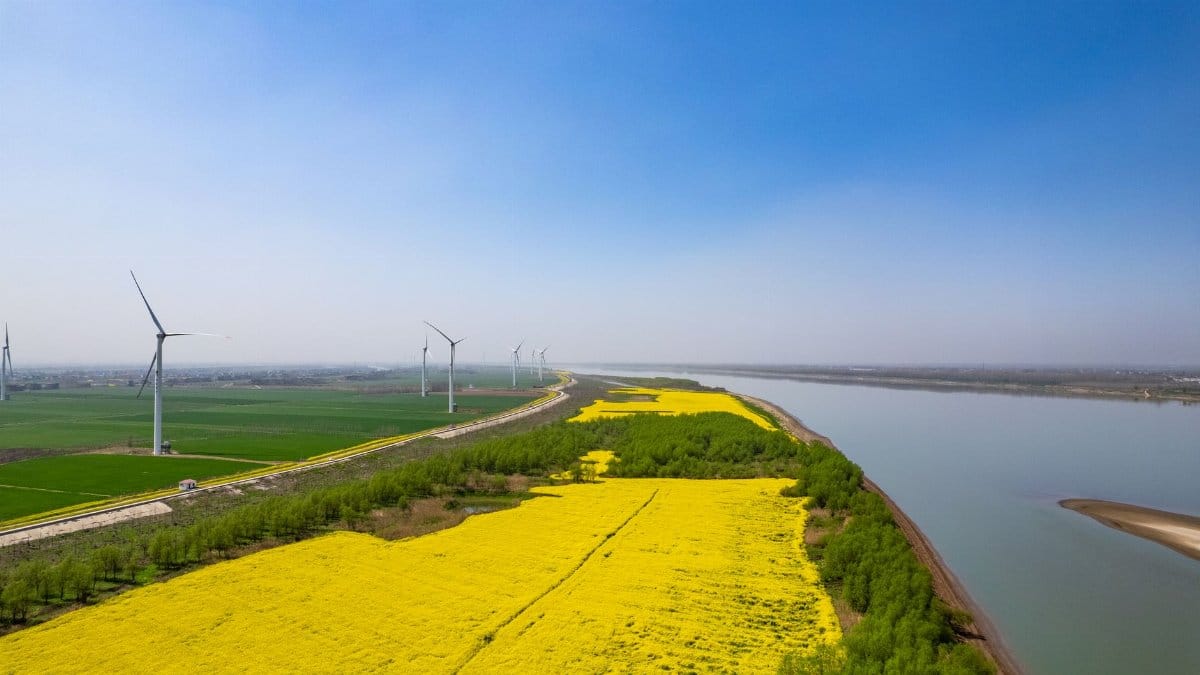
The Schuylkill does not merely decorate the course. It shapes the air. Open stretches near the water can feel different from a block of tall buildings a few minutes later. A breeze that seems polite at the art museum steps can comb the course into a headwind where the road is exposed. Runners learn to treat mild as a neighborhood word, not a guarantee that every mile will feel the same. Clouds matter too. Sun on dark pavement adds warmth that a forecast summary may understate. Shade along the drives gives it back. This is why experienced entrants walk parts of the route on Saturday if they can, not to memorize turns they already know, but to feel which way the air is moving. Maps do not carry temperature the way a riverbank does.
Crowds and the long morning
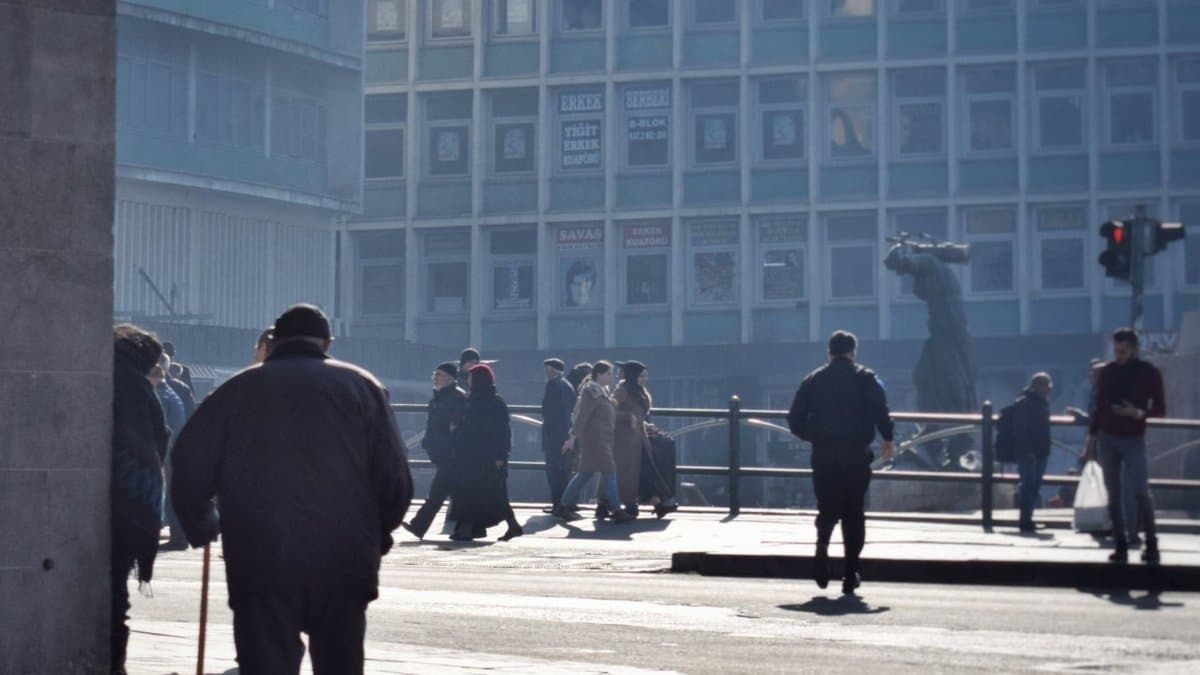
A big race morning is a timetable with human friction. Corrals release in waves. Some runners stand in the open for a long time before they move. That wait is a weather event of its own. Mild air makes it tolerable. A dry sky makes it calmer. People chat instead of stamping their feet. The same kindness can fade if clouds thicken and the wind picks up while the back of the field is still waiting. Spectators who arrive early get the best of the day and also the responsibility to remain. Philadelphia knows how to line a course. The question this weekend is whether the sky will cooperate for the whole parade, not only for the swift front. Patience is part of the sport for everyone who is not wearing a bib.
If the rain arrives sooner
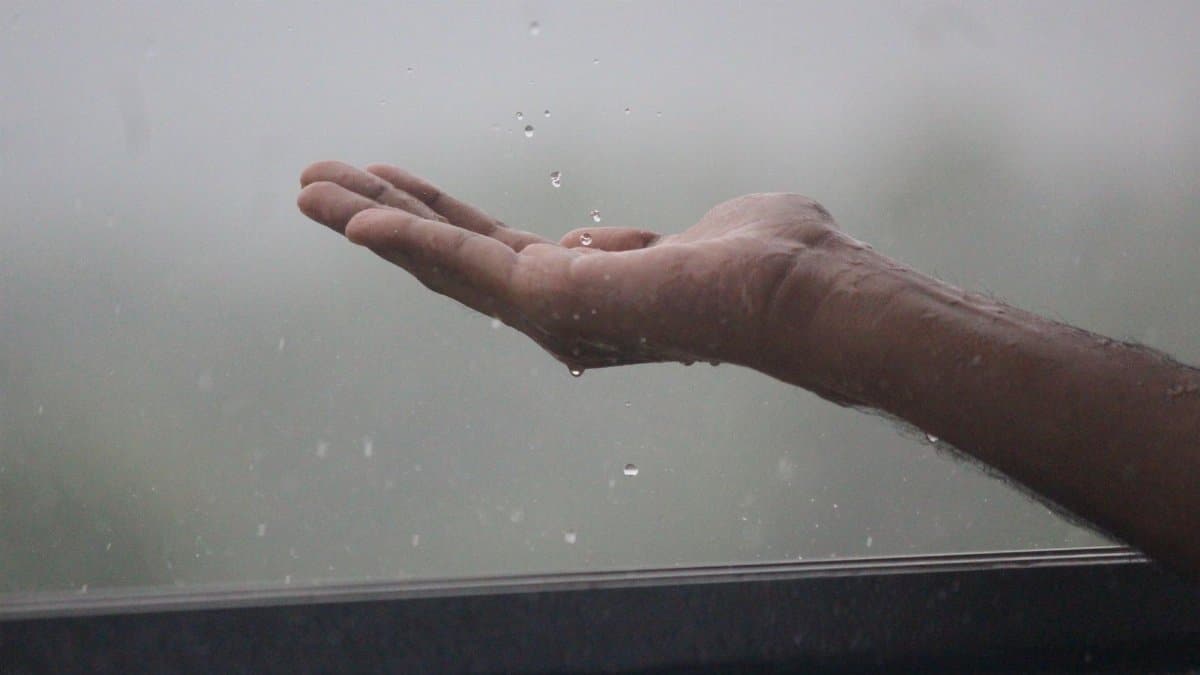
Hope is not a plan, and a dry start is not a contract. If showers come forward, the race does not vanish. It changes character. Wet roads ask for shorter strides and less drama in the turns. Chafing and cold hands become practical issues rather than distant worries. Volunteers get wetter than anyone planned. The city has run through worse, and runners who have trained through ugly weeks will recognize the work. What would be lost is the rare ease promised by the early reading, the sense that November decided to be polite. Philadelphia Marathon weather would then be a story of adjustment instead of a story of a gift. Both can be honorable. Only one matches the forecast people are carrying into Saturday night.
An honest limit on splendor

Forecasts are provisional readings, and the sky can revise them without notice. A splendid opening can still fray at the edges. A rain delay of an hour can separate a joyful morning from a grim one for the final corrals. Readers should treat the outlook as a strong lean, not as a receipt. Check it again before leaving the house. Trust the sky you see more than the sentence you remember from Friday. That humility belongs in any weather story, especially one tied to a race this large. The city is ready to host its biggest marathon field. The weekend, on present evidence, means to help. Whether Sunday fully cooperates will be known only by the people who are still running when the clouds make up their mind.