

In many social circles a pattern emerges where one person seems to gain energy precisely when another faces setbacks. This dynamic often hides in plain sight among people who have known each other for years. Toxic Friendship Dynamics describe the quiet competition that turns support into subtle rivalry. Observers notice how conversations shift when good news arrives for one side and tension rises for the other. Over time the relationship starts to resemble a balance scale that never settles in mutual favor.
Understanding the Seesaw Pattern in Everyday Bonds
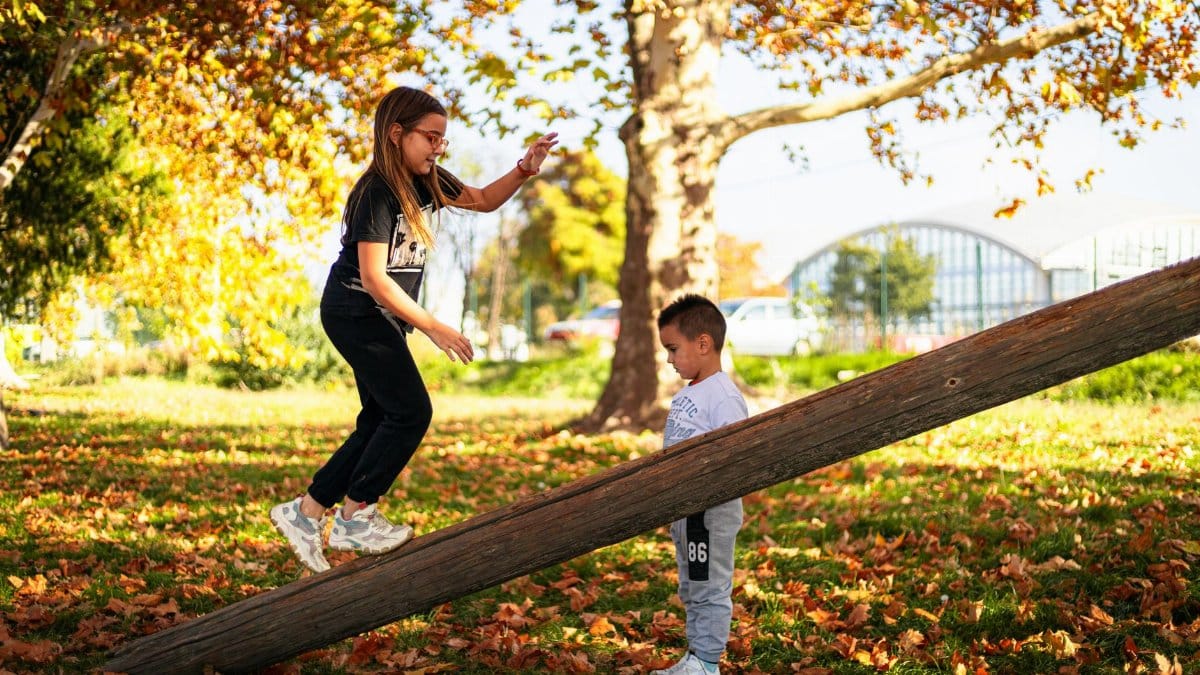
Some friendships operate on an unspoken rule that one persons success must be matched by the others quiet struggle. The pattern appears in shared activities where compliments come laced with reminders of past difficulties. Friends caught in this loop often report feeling drained after gatherings that should have lifted spirits. The imbalance grows slowly through small remarks that keep one individual positioned slightly lower.
How Envy Shapes Daily Interactions

Envy rarely announces itself outright. Instead it surfaces in delayed responses to achievements or quick pivots toward the envious persons own concerns. Middle aged adults juggling careers and families may overlook these moments because daily demands leave little room for reflection. Yet the cumulative effect erodes trust and replaces it with guarded exchanges that once felt effortless.
Signs That One Friend Requires the Other to Stay Small

Certain behaviors reveal the underlying need for imbalance. These include changing the subject when positive developments arise or offering advice that highlights risks rather than possibilities. Over months the recipient begins to filter updates and share only neutral information. The result is a narrowed connection that protects the higher position of one participant.
The Emotional Cost Carried by the Lower Position

Individuals who sense they occupy the lower side often describe a persistent sense of caution. They weigh words carefully and celebrate privately to avoid triggering discomfort in the other person. This self editing adds invisible labor to the friendship and reduces the spontaneous joy that once defined the bond. Long term the pattern can affect confidence in other relationships as well.
Therapist Perspectives on Power Imbalances

Professionals who study interpersonal patterns note that such friendships frequently trace back to earlier experiences where attention felt scarce. One person learns to measure worth through comparison and carries that habit forward. The other may accommodate the dynamic out of loyalty or habit without recognizing the gradual shift. Awareness alone does not fix the issue but opens space for clearer choices.
Rebuilding Balance or Choosing Distance

Decisions about next steps vary by history and circumstances. Some pairs manage honest conversations that reset expectations and restore reciprocity. Others discover that separation allows each person to pursue connections without the constant measurement. The choice hinges on whether both parties can tolerate equal footing after years of uneven ground.
Broader Social Patterns That Encourage the Dynamic
Cultural messages about competition and status can reinforce seesaw friendships even among well intentioned people. Social gatherings that reward quick wit or visible success create stages where subtle one upmanship feels normal. Middle aged readers navigating these settings may find it useful to notice when interactions leave them slightly diminished rather than steadied.
Practical Steps Toward Healthier Exchanges

Small adjustments such as naming specific appreciations without comparison can interrupt the old rhythm. Scheduling time focused on shared interests rather than personal updates sometimes eases pressure. When patterns prove resistant, external perspectives from counselors or trusted neutral parties provide clarity on whether repair remains possible.
Looking Ahead to More Reciprocal Connections

Friendships that allow both people to rise together offer a different quality of support. They require ongoing attention to equality and willingness to celebrate without reservation. Readers reflecting on their own circles may identify one or two relationships ready for renewed balance or gentle release. The aim remains mutual steadiness rather than alternating highs and lows.