
On a Tuesday night in central Ohio, a voter stopped mid sentence and rewound a commercial. The candidate stood in a bright kitchen, voice steady, smile timed to the cut. The room looked familiar. It was not a room the campaign had ever rented. Moments like that now sit inside ordinary television breaks, and they are the clearest sign that 2026 AI election ads have moved from experiment to routine.
A count that should unsettle both parties
Researchers at Wesleyan have been tracking political spots that use synthetic imagery or synthetic voice. Their tally, reported by the Boston Globe, put the total at 164 such ads and more than $80 million in airtime. Most of that spending came from Republican campaigns and allied groups. The figure is not a moral score. It is a measure of who moved first, and of how quickly a novelty can become a budget line. Once a tool clears a compliance review and a media buyer, it stops looking exotic. It looks like another way to fill a flight of spots before the weekend.
Money follows what tests well
The partisan split matters less as a talking point than as a map of incentives. Consultants buy what focus groups reward. If a synthetic spot costs less to revise and can be localized for a dozen media markets before lunch, someone will order it. Democrats have used the tools too, often in smaller buys, and outside groups on both sides have tested clips that never reached a major station. The larger Republican airtime does not prove a unique appetite for fiction. It proves that scale arrived first on one side of the ledger. The other side is watching the numbers, not the sermons.
What these spots actually change

Not every synthetic ad invents a person. Some clean a stammer. Some place a candidate in a factory the schedule never allowed. Some generate a crowd, a flag, a sunset that flatters the closing line. A smaller set goes further and fabricates an opponent saying words that were never spoken. That last category is the one election lawyers fear, because a retraction rarely travels as far as the original clip. Viewers remember the face. They do not remember the footnote. Even the milder edits matter. A campaign that can reshoot reality overnight no longer has to live with the day it actually had.
Rules written for an older kind of lie
Federal disclosure law still assumes a human author and a recognizable sponsor. Several states now require a label when an ad uses synthetic media, yet the labels differ in size, wording, and enforcement. A line of small type at the end of a fifteen second spot is not a safeguard. It is a gesture. Until those labels are large enough to interrupt the feeling of the ad, 2026 AI election ads will keep their advantage over the fine print. Campaigns that want to comply can comply and still leave most viewers unsure what they saw. Campaigns that want to skirt the line can cut the spot for digital platforms where state rules barely reach.
Confidence is not the same as accuracy
Polls and focus groups tell a mixed story. Many Americans say they can spot a fake. In practice, confidence and accuracy part ways. People catch the uncanny smile and miss the invented quote. They distrust a real clip because the lighting feels too clean. Trust erodes in both directions. That double loss is the quiet cost of 2026 AI election ads: not only false pictures, but a habit of doubting true ones. A democracy can survive a lie that is named. It has a harder time with a public that treats every image as provisional, including the ones that are plain records of a speech, a vote, or a disaster.
A crack in civic faith
I have spent enough evenings in church basements and union halls to know that politics is not only a contest of policies. It is a contest of whether a neighbor’s word can be believed. When a face can be borrowed and a voice can be tuned, the injury is not technical. It is moral. Congregations, mosques, and temples do not write ad law, yet they feel the aftershock when members arrive convinced that nothing on a screen deserves a hearing. A public square that cannot tell a person from a picture struggles to tell a promise from a performance. The damage shows up as silence at the dinner table long before it shows up in a court filing.
Platforms hold the last cut
Television stations still employ people who can refuse a spot. Social feeds do not work that way. An ad can be born, targeted, and retired between dinner and the late news. Platforms publish policies against misleading synthetic media and then apply them unevenly, especially when a clip is framed as satire or as a preview. Satire has a place in campaign life. A preview that never discloses its fiction does not. The gap between a written rule and a moderated feed is where most of the damage now lives. By the time a review board meets, the clip has already done the work it was bought to do.
What campaigns will not put in the memo
Ask a strategist off the record and the answer is blunt. The tool saves time. It lets a small team answer an attack before the evening drive. It also creates a record that opponents can wave as proof of bad faith. That risk has not stopped the buys. It has changed the language around them. Shops talk about enhancement and localization rather than invention. Voters hear none of that vocabulary. They hear a candidate. Or they hear someone who looks like one. The euphemism is part of the product. If the public named the practice plainly, some of the buys would be harder to defend at a town meeting.
Local races feel the flood first
Presidential contests draw fact checkers. A state senate race in a cheap media market often does not. That is where 2026 AI election ads may do their most durable work. A few thousand dollars can flood a county with a spot no reporter has time to unpack. The candidate with the thinner staff cannot answer in kind, and silence reads as guilt. National numbers, including that $80 million in tracked airtime, describe the ceiling. The floor is a school board fight nobody outside the district will ever name. Those smaller contests decide budgets, libraries, and policing. They deserve the same scrutiny as the races that fill cable news.
Journalists are learning a narrower beat
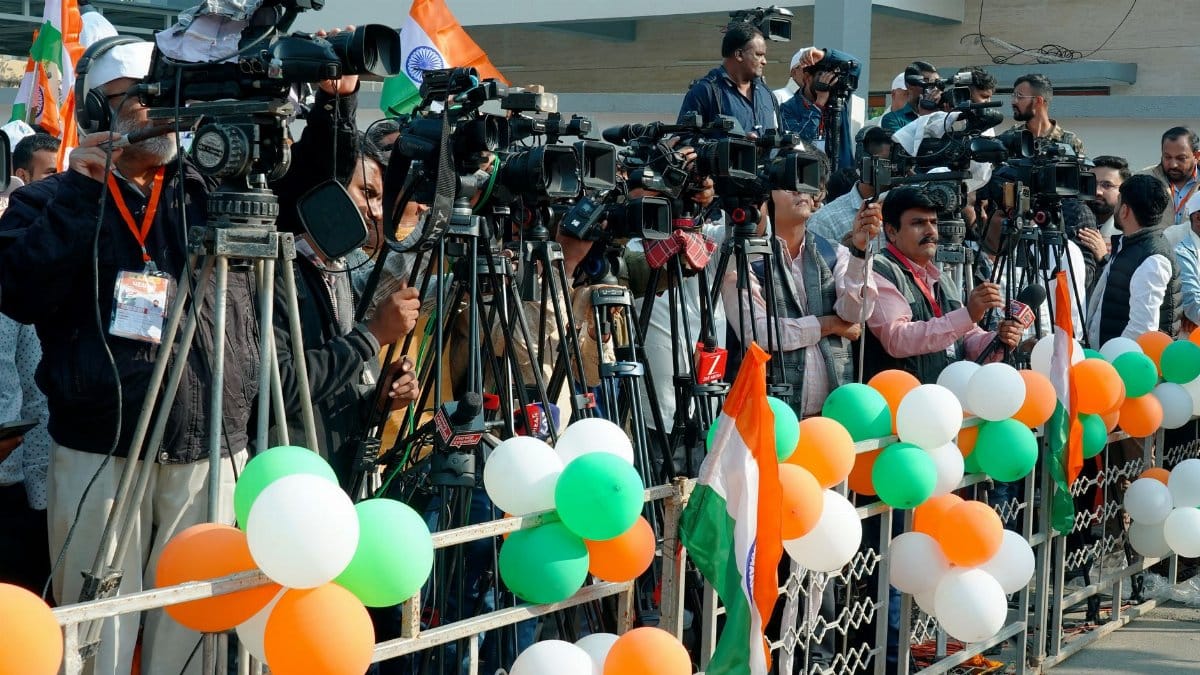
Newsrooms have started to treat synthetic media as a reporting subject rather than a gadget story. The useful questions are plain. Who paid? What was altered? Where did it run? How fast was it pulled? Readers do not need a seminar on model architecture. They need a chain of custody for a picture that asked for their vote. Outlets that bury that chain under tech jargon will lose the audience that most needs the correction. The craft here is old. Call the campaign. Ask for the raw footage. Say clearly when the footage never existed. Leave the wonder to someone else.
Courts and legislatures will not settle this season
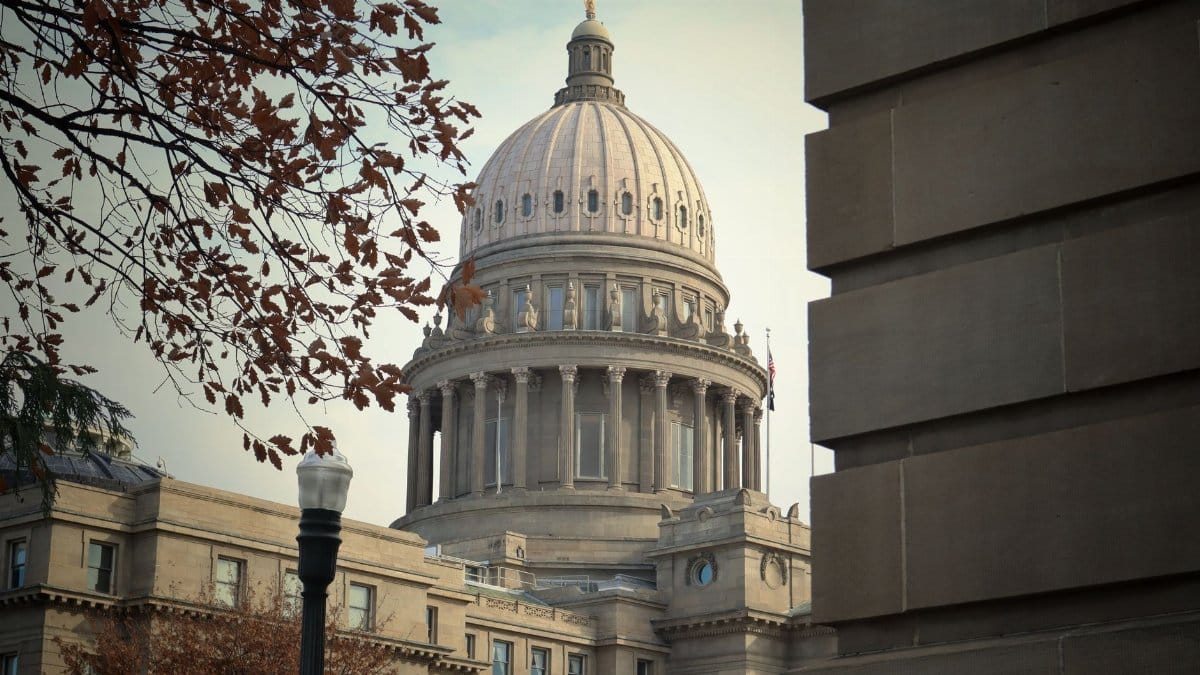
There will be no single night when the country decides whether synthetic campaigning is acceptable. Courts will split. Legislatures will pass uneven bills. Platforms will update policies after the damage of a particular clip has already landed. Campaigns will keep buying what works until voters punish the trick at the ballot box, and punishment is slow. The first widespread test is already in the field. The ads are not a preview of a future election. They are the election, running in the same breaks as car dealers and pharmacies, asking for the same trust those other sponsors never quite earned either.
What a citizen can still do
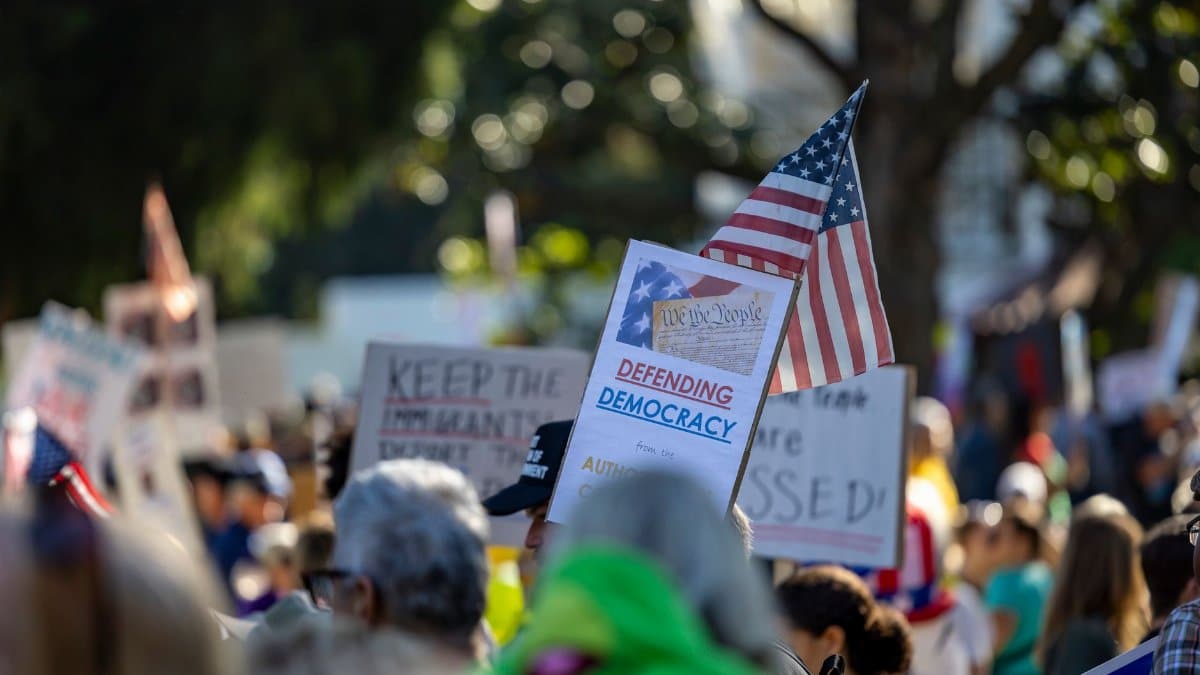
None of this asks voters to become forensic analysts. It asks for a slower habit. Read the sponsor line. Wait a day before forwarding a clip that flatters your side. Notice when a face never blinks wrong and a sentence never stumbles. Support local outlets that still call campaigns and ask for the raw footage. Those steps will not restore an older media world. They can keep 2026 AI election ads from becoming the only story a community believes. Belief, in the end, is the scarce resource. Money can buy the picture. It cannot force a neighbor to treat that picture as a person who showed up and told the truth.