
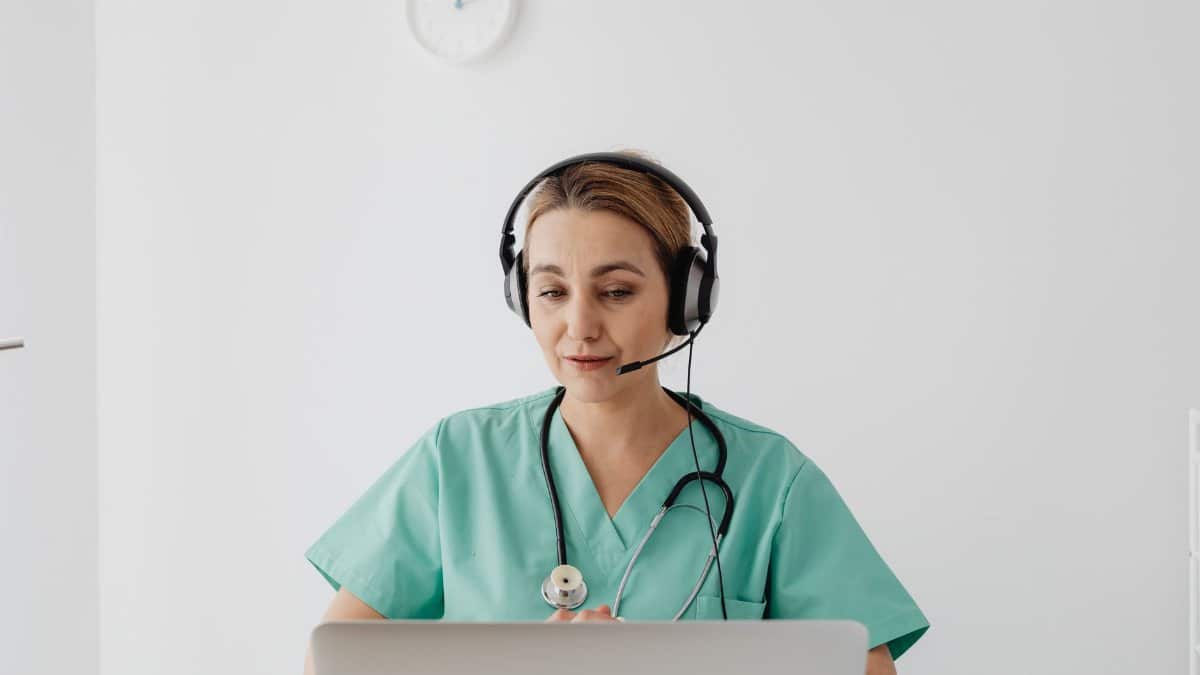
In the hills above Los Angeles a woman who survived aggressive breast cancer now confronts an unexpected barrier to her health. Her oncologist, the specialist who guided her through chemotherapy and into remission, practices in another state. State rules block ongoing video visits, forcing her to restart with unfamiliar local doctors or make repeated long drives. This situation highlights the real impact when telemedicine follow up remains restricted even for patients with proven records of stable recovery.
Barriers Created by State Licensing Rules

California patients often build deep trust with physicians who may live and work elsewhere. When those doctors hold licenses only in their home states, follow up visits via video become impossible once an initial treatment phase ends. The recent failure of a bill in the Assembly left this gap in place, leaving many in remission without clear paths forward.
Patient Stories Behind the Policy Debate

One survivor described months of anxiety after learning she could no longer meet her oncologist on screen. She had moved to California for family support yet wanted to keep the doctor who knew her full history. Local alternatives required new scans and repeated explanations of her case, adding stress during a time meant for recovery and normal life.
Impact on Rural and Underserved Communities

Residents far from major medical centers feel these limits most sharply. Video connections once offered a practical link to specialists, but current law treats each session as a full in person encounter that demands in state credentials. Without change, distance continues to limit choices for consistent monitoring after serious illness.
Economic Costs of Interrupted Care

Travel for appointments brings hotel stays, lost work days, and transportation fees that add up quickly. Families already stretched by medical bills face fresh expenses that could have been avoided through permitted video check ins. Employers also notice higher absentee rates when workers must leave the region for routine reviews.
Physician Perspectives on Continuity
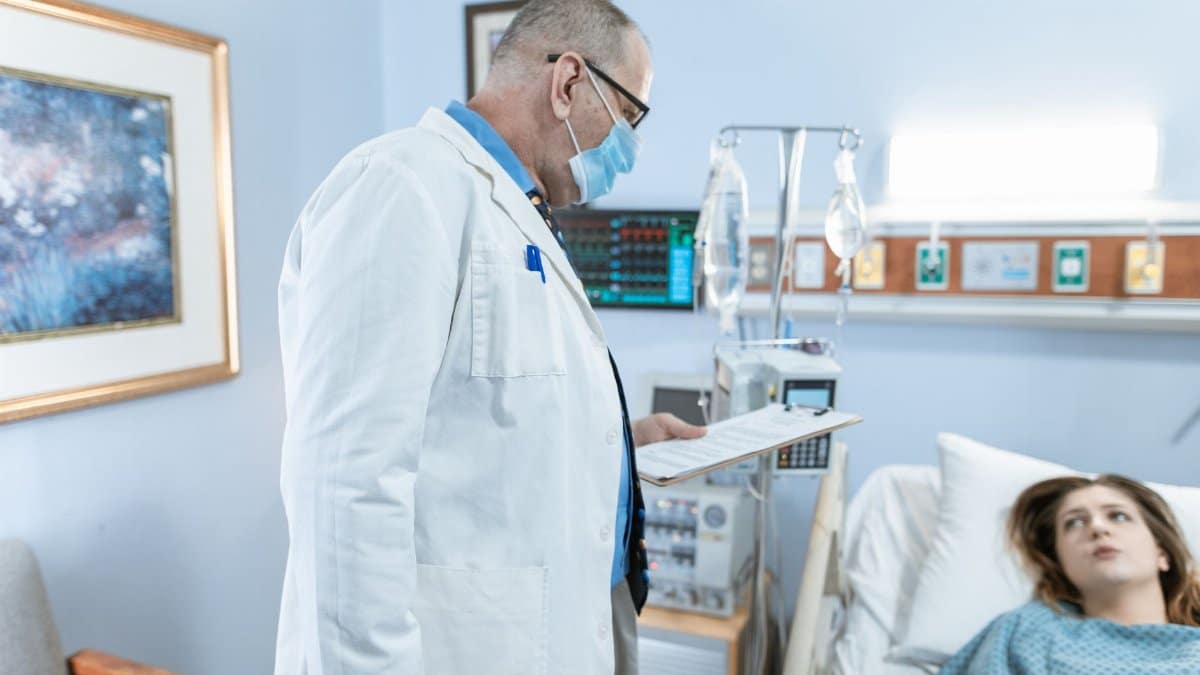
Doctors who treat patients across state lines report frustration when stable cases suddenly require handoffs. They argue that ongoing observation of bloodwork and symptom reports does not always need physical presence, especially when prior visits established a clear baseline. Many believe measured reforms could protect safety while preserving access.
Efforts to Update Telemedicine Statutes

Advocates continue to push for licensing compacts that would let physicians serve patients in multiple states under one credential. Supporters point to successful models in other regions where limited follow up privileges have operated without safety issues. The recent bill sought similar steps but fell short in committee review.
Looking Ahead for Cancer Survivors
As more people reach remission, the demand for flexible monitoring grows. Lawmakers face pressure to balance consumer protections with practical needs in a mobile society. Clear rules on when video visits can substitute for office time would help both patients and the medical system manage resources more effectively over the long term.