
On a cold bright afternoon in downtown Houston, the outdoor rink at Discovery Green can look like a holiday card. Skaters circle in uneven lines. Parents lean on the rail. Somewhere in that crowd, for ten winters, a quieter story unfolded. Children who had never owned a pair of skates stepped onto the ice because a columnist decided joy should not be a luxury item. She called the gathering the Year of Joy, and the name stuck to something larger than a party.
A rink that became a ritual
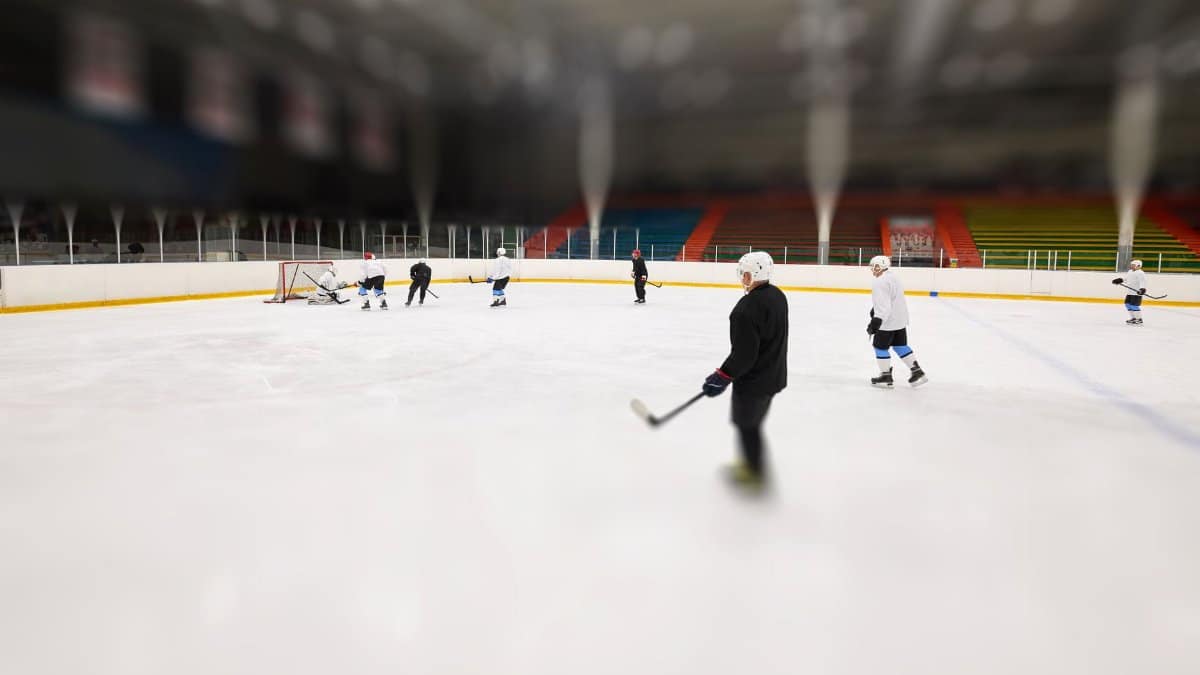
Joy Sewing has spent years writing about Houston in the Houston Chronicle, which means she already knew the city as a place of appetite, argument, and loyalty. The skating party asked something more intimate of that knowledge. Each December she gathered children, many from families who do not treat a downtown rink as an ordinary afternoon, and put them on the ice. Sponsors helped. Volunteers laced skates. The point was not spectacle. It was repetition. A ritual kept for a decade teaches a city what it is willing to repeat. More than 2,000 children passed through that repetition. A figure that large can sound like a press release until you picture the line at the rental counter, the nervous laugh, the first glide that is mostly a fall.
What ten winters taught the city
What made the Year of Joy durable was not a single dramatic afternoon. It was the decision to come back. Public kindness often arrives as a burst, a drive, a viral appeal, and then recedes. A ten year practice is harder. It requires calendars, insurance questions, donated hours, and the unglamorous work of remembering names. Sewing built the party in public, which meant the city could see both the delight and the logistics. Readers who might never lace a skate still had a stake. They could give, share, or simply notice that holiday cheer in Houston was being treated as a common good rather than a private purchase. That notice matters. A column can do more than describe a city. It can convene one.
Children meeting the ice for the first time
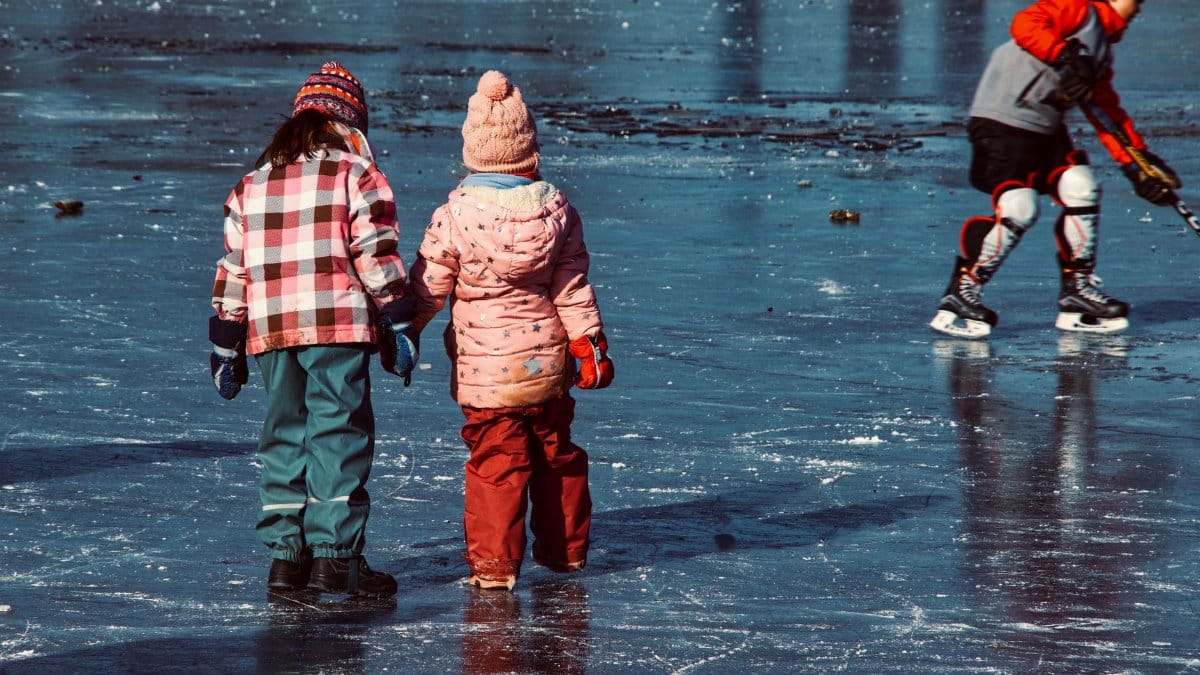
Many of the children arrived having never stood on ice. That fact is easy to romanticize and worth resisting. A first skate is cold, awkward, and sometimes frightening. Ankles bend. Hands reach for the wall. The pleasure, when it comes, is earned. Adults who grew up with rinks in colder cities can forget how strange frozen water looks under a Texas sky. For a child from Sunnyside or Aldine or a church on the north side, Discovery Green on that day was not scenery. It was an invitation into a part of civic life that often assumes money, transportation, and the confidence to belong. The party tried to remove those assumptions for a few hours. Removal is not the same as justice. It is still a form of respect.
The labor nobody applauds
Behind every photograph of a smiling skater stood a stack of tasks. Who confirms the bus. Who sizes the skates. Who watches the child who is scared to let go of the rail. Who thanks the donor without turning the child into a prop. This is the labor nobody applauds because it looks, from the rail, like a party that simply happened. It did not simply happen. Community work fails most often in the small joints: a late email, a missing waiver, a volunteer who cannot find the entrance. Holding those joints together for ten Decembers is a kind of authorship. Her byline made the party visible. The people who carried boxes and knelt on the rubber mats made it real.
Gratitude as a public practice

In a season crowded with appeals, gratitude can sound thin. Her public thanks to Houston has a sturdier shape. It names a debt. The city showed up with money, time, attention, and children. To thank that showing up is to refuse the myth that one columnist manufactured joy alone. Spiritual traditions have long treated thanksgiving as a discipline rather than a mood. You count what was given. You say it aloud. You do not pretend the gift was inevitable. A decade of holiday gatherings is not inevitable. It depended on readers who believed a rink could be a commons, and on institutions willing to open a downtown park to families who might not otherwise come. That dependence is not a weakness. It is the definition of a shared city.
Why a pause can be faithful
She is pausing the party after ten years. A pause can be misread as abandonment, especially by people who have come to rely on a date on the calendar. It can also be an act of care. Programs that never stop sometimes hollow out. The founder grows tired. The ritual becomes automatic. Children can feel the difference between a welcome and a performance of welcome. Choosing to stop, at least for now, protects the meaning of what happened. Rest is not the opposite of devotion. In many faiths it is part of devotion. A sabbath logic applies, loosely, to civic projects too. You cease so that the work does not consume the person who carries it, and so that memory has room to become memory rather than another task.
Memories that do not melt
What remains is not a trophy. It is a set of memories distributed across more than 2,000 childhoods. Some children will forget the year and remember the feeling of cold air on their face. Some parents will remember that a newspaper columnist treated their family as guests rather than as a story problem. The Year of Joy, as a phrase, risks sounding branded. In practice it was closer to a receipt. Here is what we spent our attention on. Here is who we made room for. Memory is an unreliable archivist, which is why public rituals matter. They give private recollection a shared landmark. Years from now a teenager may not recall the sponsor names. The teenager may still recall being expected on the ice.
A city that kept showing up

Houston has a reputation for sprawl and for a kind of pragmatic generosity that does not always announce itself. The skating party fits that reputation better than a gala would. People gave because a neighbor asked in print, and because the ask was specific. Not save the world. Bring a child to the ice, or help someone else bring a child to the ice. Specificity is a moral tool. It keeps compassion from dissolving into sentiment. I have watched cities celebrate themselves with fireworks and forget the bus schedule. This project did the inverse. It made the schedule the celebration. A child on time, skates that fit, a ride home. Those are not small mercies. They are the grammar of belonging.
What joy asks of us now

Joy, in the spiritual sense, is not the same as entertainment, though entertainment can carry it. Joy is the experience of being wanted in a place. A rink can do that work for an afternoon. A city has to decide whether the afternoon was an exception or a sample. The pause in the Year of Joy does not answer that question. It hands the question back. Churches, schools, newsrooms, and park departments all have ice of their own, metaphorically if not literally. They have thresholds that feel closed. They have afternoons that could be opened without a press conference. Her decade is evidence, not a template to copy in every detail. Evidence that attention, repeated, changes who feels expected.
A memory with work still to do

Thank you is a small phrase for a large ledger. Houston answered a columnist who asked the city to spend a decade making room on the ice. More than 2,000 children got a story they did not have to buy. Volunteers got the satisfaction of work that ended in laughter rather than in a report. Sewing got, one hopes, the knowledge that her beat could include delight without becoming soft. The party can rest. The gratitude should not. If the Year of Joy pauses, the habit it trained does not have to. A city that has practiced welcome can practice it again, on a rink or somewhere else, with names attached and rides arranged. That is not nostalgia. That is a memory with a job to do.