
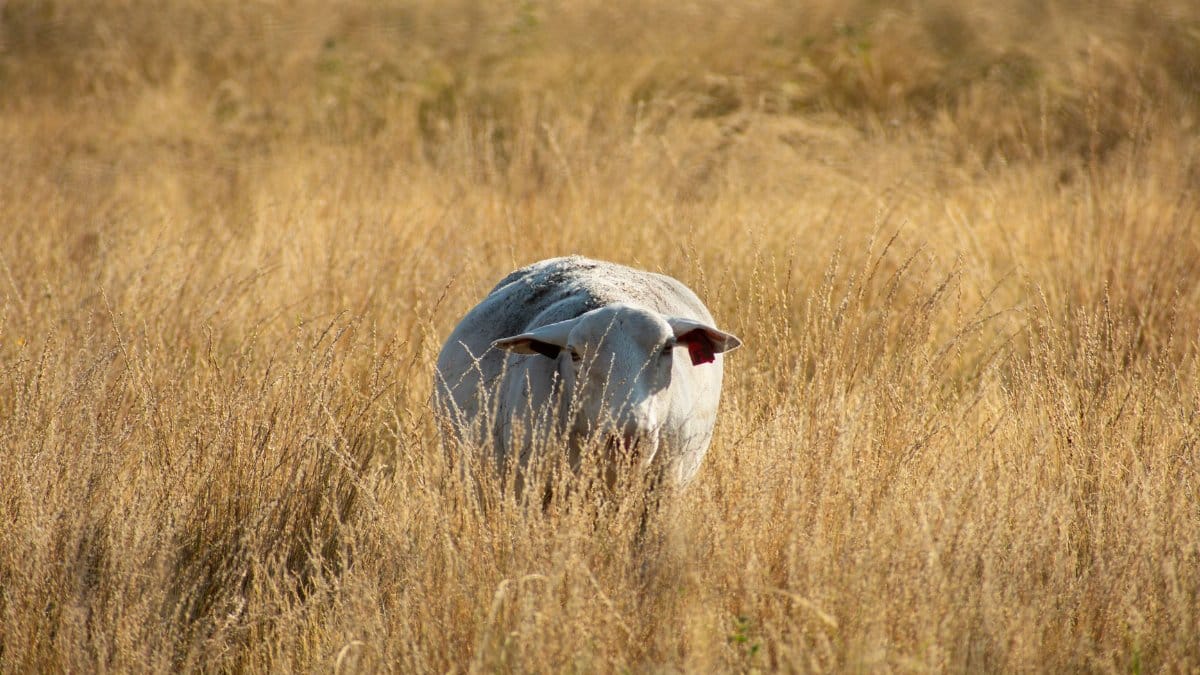
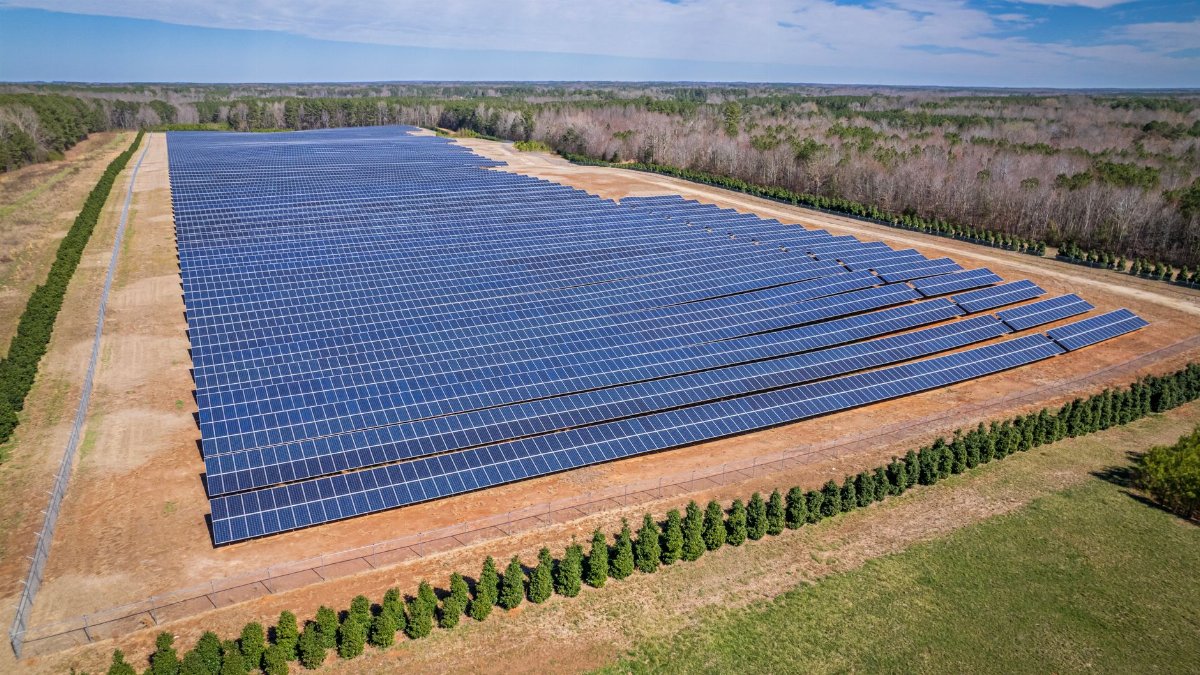
In the rolling plains north of Dallas a quiet transformation is underway as ranchers and energy developers discover common ground. Sheep move between rows of photovoltaic panels while keeping vegetation in check and lowering maintenance costs for solar operators. This approach known as agrivoltaics has gained momentum across the state and the phrase Solar Sheep Texas now appears in conversations from county fairs to corporate boardrooms. The arrangement offers ranchers steady lease income while solar companies gain an efficient living lawn mower that requires no fuel. Observers note that the partnership also preserves open land for wildlife and maintains the rural character many Texans value.
Land Use That Serves Two Purposes
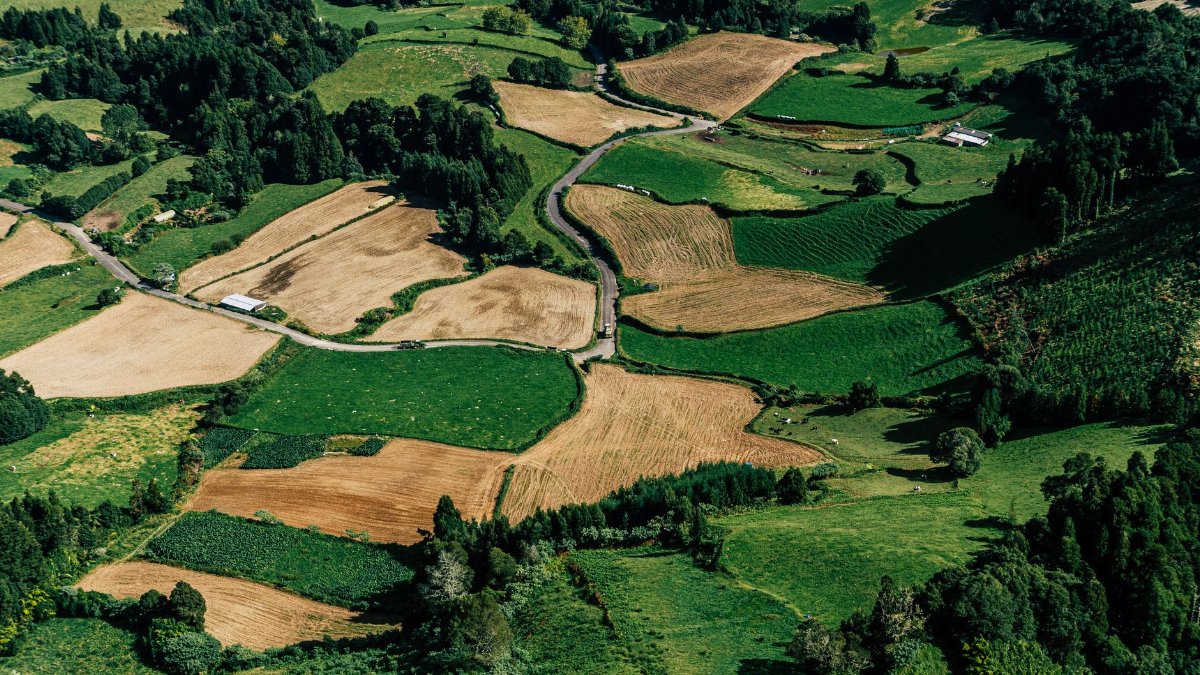
Solar installations once faced resistance from agricultural communities worried about lost grazing acres. Placing sheep on the same parcels changes the equation. Animals control grass height without heavy equipment and their manure returns nutrients to the soil. Ranchers keep their primary livelihood while adding revenue from land leases that can span two decades.
Sheep Breeds Suited to Texas Conditions
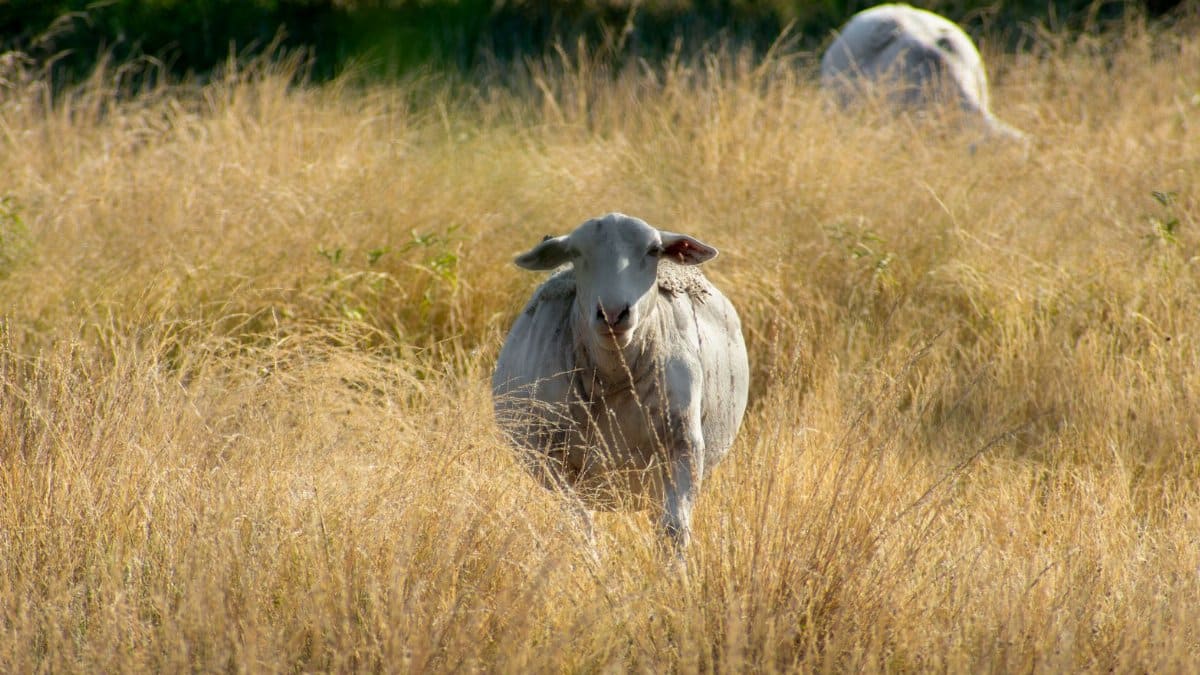
Not every flock adapts equally well to the heat and variable forage found under panel arrays. Katahdin and Dorper sheep perform strongly because they shed wool naturally and tolerate high temperatures. Operators report fewer health issues when shade from the panels reduces heat stress during summer afternoons.
Economic Returns for Rural Families
Lease payments often exceed what marginal pasture can generate from cattle alone. A medium size operation with 200 acres might receive annual fees that cover equipment upgrades or college tuition. Local feed stores and veterinarians also see increased business as flock numbers rise.
Wildlife Corridors Remain Open
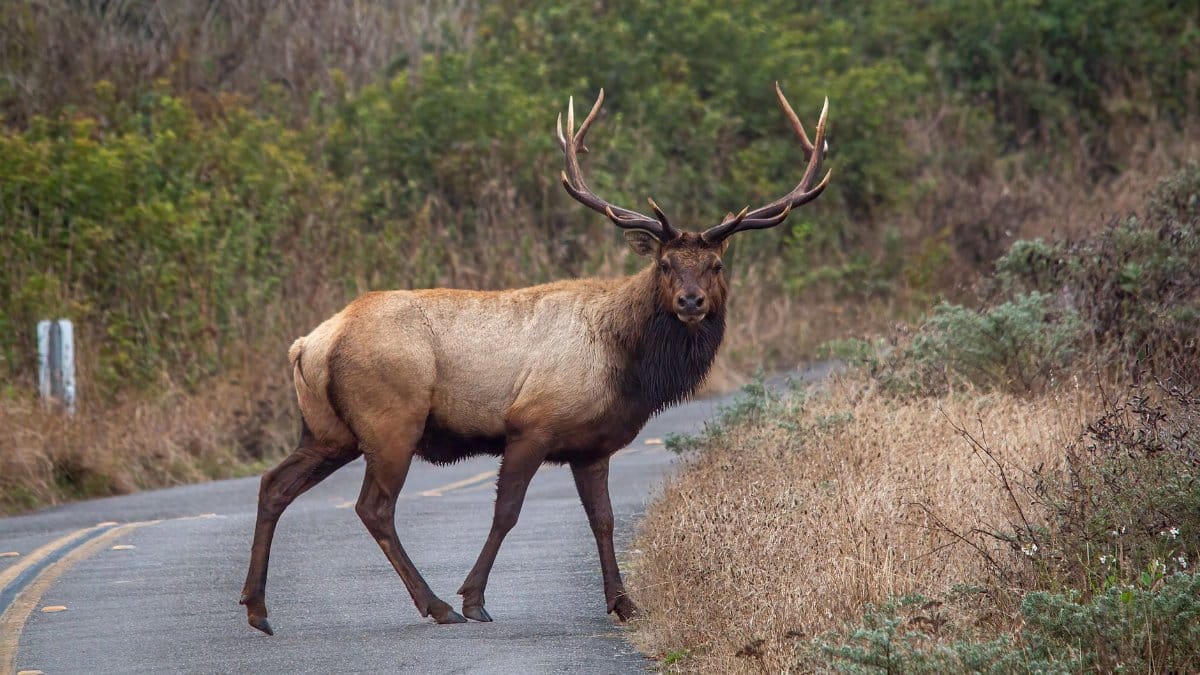
Unlike fenced industrial sites many solar farms with sheep allow deer and birds to move through the landscape. The low profile panels leave sight lines intact and the presence of livestock discourages predators from settling near equipment. Ecologists have begun monitoring these sites to measure biodiversity trends over time.
Training Programs for New Herders
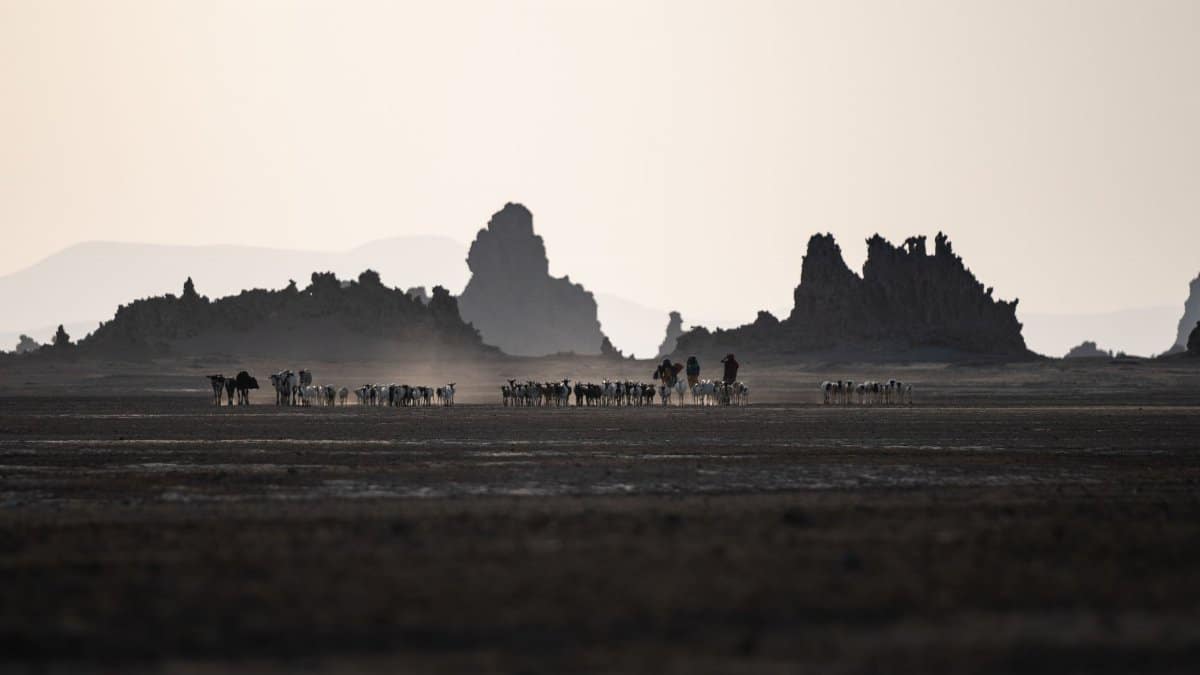
Community colleges in West Texas now offer short courses on solar site grazing management. Participants learn rotational schedules that prevent overgrazing near wiring and how to monitor water access points placed between panel rows. Graduates find work with both ranchers and energy firms.
Grid Reliability and Local Jobs
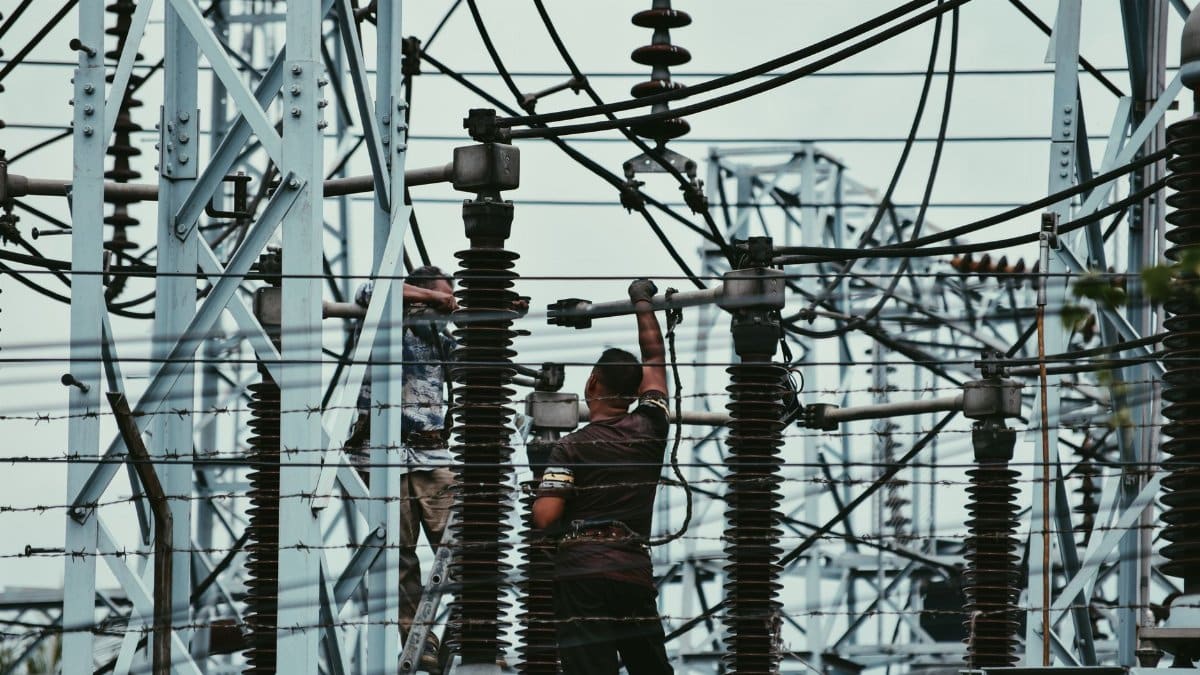
Solar projects paired with grazing require technicians for panel cleaning and electricians for ongoing maintenance. These positions often stay within the county unlike temporary construction crews. When storms damage transmission lines the continued presence of on site workers speeds repairs.
Community Views on Landscape Change
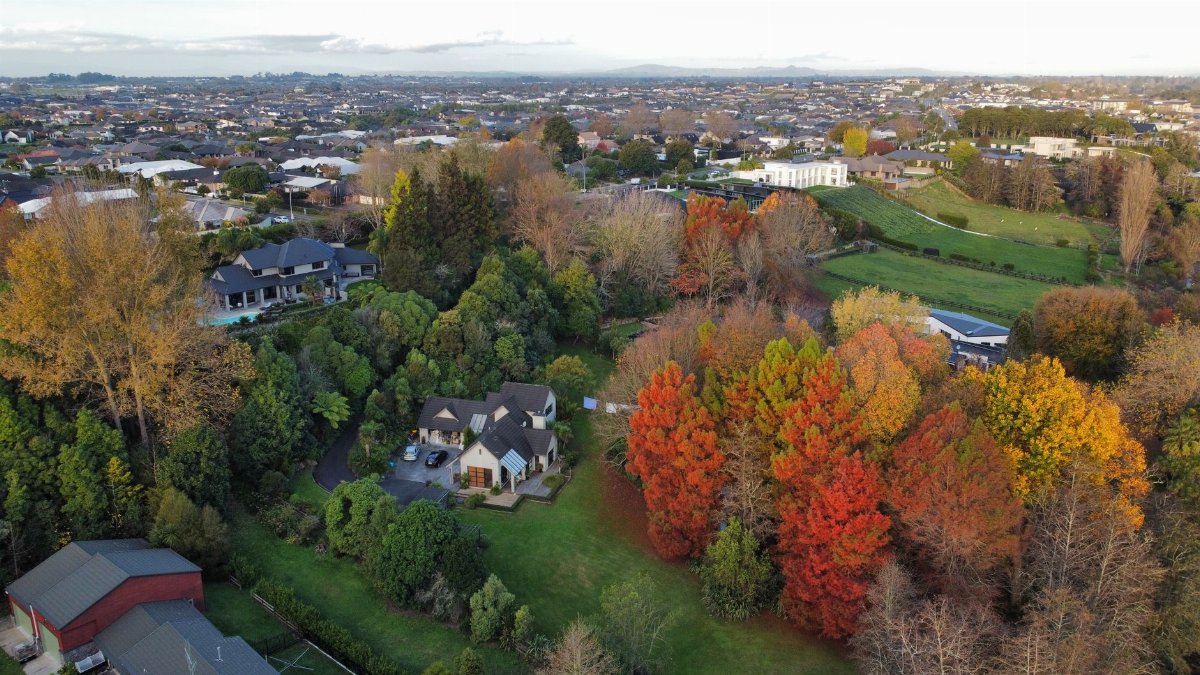
Some longtime residents initially opposed the sight of metal structures across former cotton fields. Once sheep appeared and fence lines remained low the visual impact drew fewer complaints. Town halls now focus on property tax distribution rather than outright rejection of the technology.
Future Expansion Across the State
Developers have identified additional sites in the Panhandle and near the Hill Country where similar dual use arrangements could take hold. State agencies are reviewing permitting guidelines that would standardize water access and predator control requirements for sheep operations on solar land.