
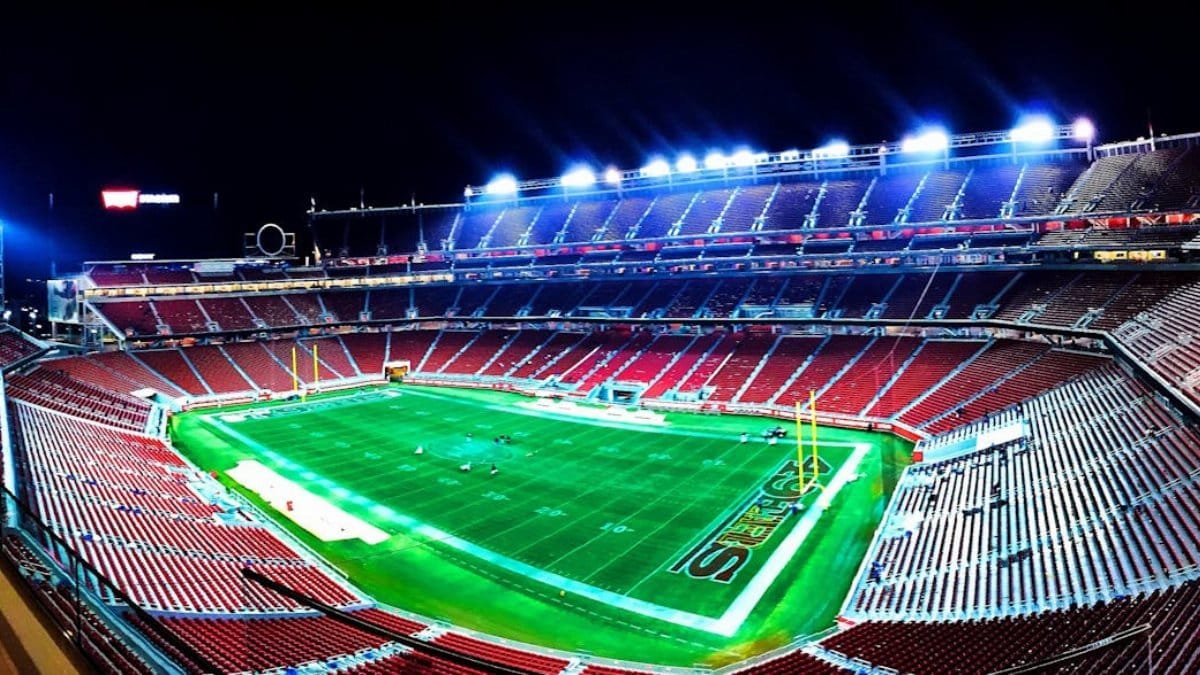
In the heart of Houston where football has long served as a unifying force amid the citys rapid growth and occasional struggles team owner Cal McNair has stepped into the spotlight with welcome clarity. His recent comments have brought fresh focus to the Texans stadium future confirming the franchises deep rooted commitment to remain at the Reliant Park site. Rather than entertain relocation McNair insists the organization will either undertake a major renovation of the existing venue or construct a completely new stadium in the same location. This stance arrives at a time when many NFL teams chase cutting edge facilities in pursuit of competitive advantages and enhanced revenues. For middle aged Houstonians who recall the excitement of the teams early years and the stadiums role in hosting everything from Super Bowls to community events the news carries both nostalgia and optimism. It suggests a future where the Texans not only compete on the field but also anchor the citys cultural and economic vitality for decades ahead. As discussions intensify residents find themselves weighing practical questions about cost and design against the deeper communal benefits a modernized venue could deliver.
Cal McNair Shares His Vision

Cal McNair has emerged as a steady hand guiding the Texans through this critical juncture. In conversations with local reporters he articulated a clear preference for continuity over disruption. The owner emphasized that the team views its home as integral to its identity. This perspective stands apart from franchises that have migrated to new markets seeking fresh starts. McNair pointed to the loyal fan base and the established infrastructure already in place as compelling reasons to stay put. His words have calmed anxieties that surfaced during previous league wide stadium booms when several teams pursued lavish replacements. By committing to Reliant Park McNair signals confidence in Houstons trajectory as a major metropolitan center. Industry analysts suggest this approach could serve as a model for other owners facing similar decisions about aging venues. The coming design phase will likely incorporate extensive input from fans and local leaders to ensure the final project resonates with the community it serves.
The Stadiums Enduring Place in Houston Life
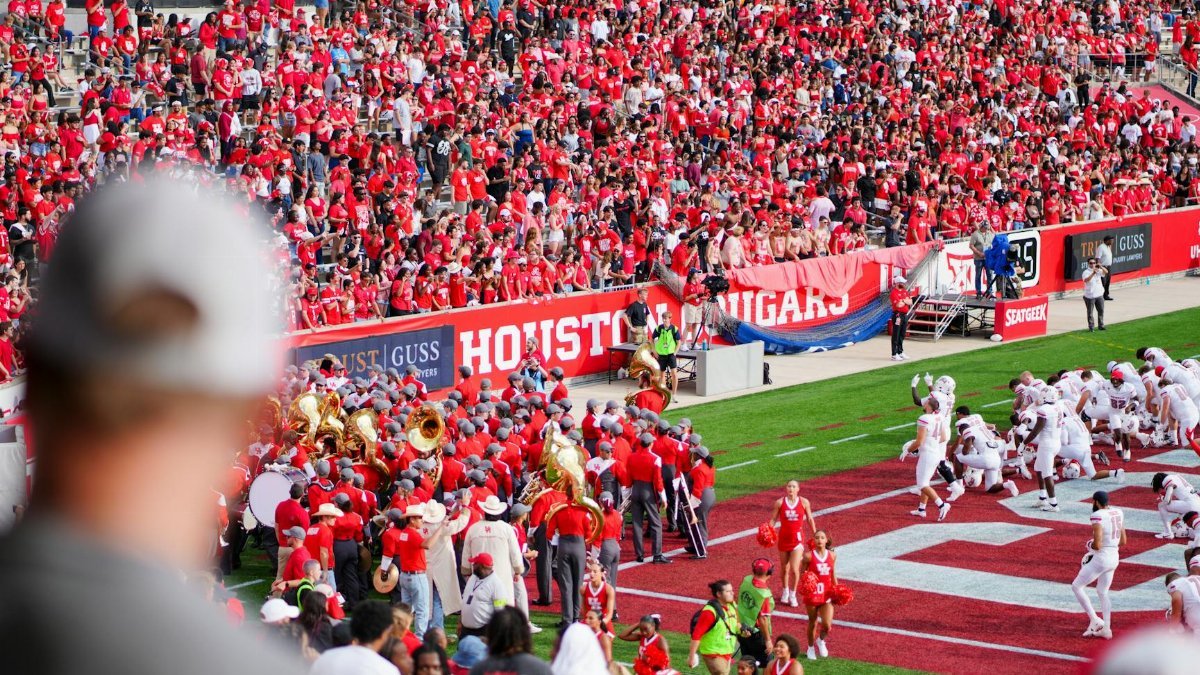
Reliant Stadium now known as NRG Stadium has witnessed remarkable moments since opening in 2002. It has hosted championship games memorable playoff runs and countless tailgates that doubled as family reunions. For many middle aged residents the venue represents more than concrete and steel. It embodies shared memories of hope during rebuilding seasons and collective joy in rare victories. The stadium has also functioned as a regional hub for major events that transcend football. Its presence has shaped surrounding development including hotels restaurants and transit connections. Yet time has introduced wear and evolving standards have raised expectations for amenities. Modern fans demand more than basic seating. They seek interactive technology climate control and diverse dining options. McNair acknowledged these shifting demands while stressing that any changes will honor the stadiums foundational role in Houston culture. This balance between preservation and progress forms the core challenge now facing decision makers.
Renovation Paths Under Consideration
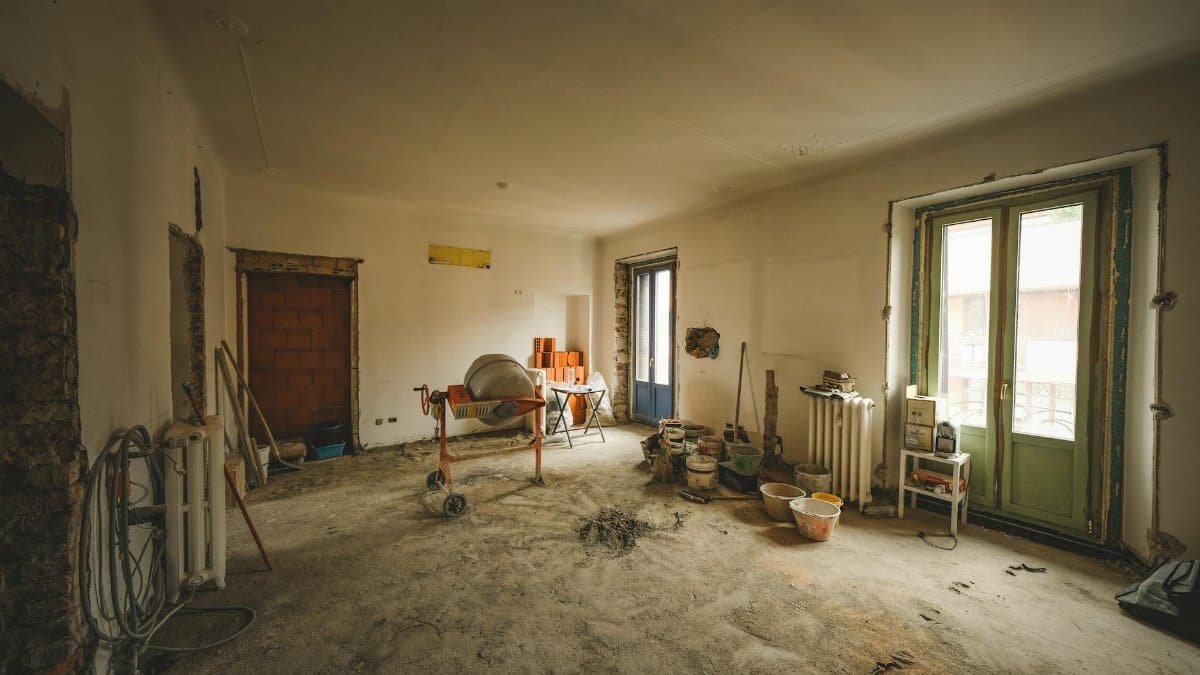
Renovating the current structure offers several practical advantages according to preliminary assessments. Engineers have identified opportunities to expand seating capacity upgrade luxury suites and integrate advanced audiovisual systems without demolishing the entire facility. Such an approach could prove more cost effective and less disruptive to the surrounding neighborhood. Proponents argue that thoughtful upgrades might extend the stadiums useful life by another thirty years while preserving its familiar footprint. Recent examples from other cities demonstrate that intelligent renovations can transform older venues into competitive assets. However critics caution that patching an aging building may fail to deliver the wow factor necessary to attract top talent and younger audiences. McNair has kept all options open indicating that detailed studies will determine the most responsible course. Cost estimates remain fluid but early indications suggest a renovation could run several hundred million dollars significantly less than brand new construction.
Arguments for Constructing a New Venue
Building a replacement stadium from the ground up presents an enticing vision of innovation and prestige. A new facility could incorporate sustainable materials retractable features and flexible spaces for year round events. Architects familiar with recent NFL projects describe possibilities ranging from climate controlled environments to modular configurations that adapt to concerts and conventions. Such a venue might elevate Houstons national profile and generate substantial new revenue streams. McNair has expressed genuine interest in these forward looking concepts while cautioning that practicality must guide final choices. A new build would likely require navigating complex approval processes and securing public private funding partnerships. Supporters believe the long term economic returns would justify initial investments through job creation and increased tourism. Detractors worry about potential tax implications and the environmental costs of new construction in an already sprawling city.
Economic Implications for the Region

Any significant stadium project carries substantial economic consequences for greater Houston. Construction alone would generate thousands of temporary jobs while the finished venue could support hundreds of permanent positions in hospitality security and maintenance. Local businesses from parking operators to nearby retailers stand to benefit from consistent game day traffic. Studies of similar projects in other markets suggest multiplier effects that ripple through the economy though results vary based on execution. One analysis available at https://www.brookings.edu/articles/do-new-stadiums-and-convention-centers-create-jobs/ indicates that returns often fall short of optimistic projections unless paired with thoughtful urban planning. McNair appears mindful of these realities and has pledged to pursue approaches that maximize community returns. For middle aged professionals who remember the economic ripple effects of previous infrastructure investments this Texans stadium future discussion feels particularly consequential.
Fan Perspectives and Emotional Connections

Houstonians have voiced a wide spectrum of opinions as news of potential changes circulates. Longtime season ticket holders express attachment to familiar surroundings and worry that modernization might erode the venues character. Younger supporters tend to favor bold updates that align with contemporary entertainment expectations. Online forums and local talk radio have become forums for passionate debate reflecting the emotional investment residents place in their team. Many middle aged fans recall bringing children to early games at the stadium and now hope to share similar experiences with grandchildren. This generational thread underscores why the Texans stadium future matters beyond spreadsheets and blueprints. McNair has indicated that fan input will inform whatever path is chosen. Town hall style meetings are expected to provide additional opportunities for public comment in the months ahead.
Technological Innovations on the Horizon

Future stadium designs increasingly integrate technology that would have seemed futuristic only a decade ago. High definition displays throughout the concourse augmented reality features for mobile devices and seamless connectivity represent baseline expectations. Some newer venues allow fans to order food from their seats and track restroom wait times through applications. Climate control systems have grown more sophisticated addressing Houstons notorious humidity and heat. These advancements promise to enhance accessibility and enjoyment for all age groups including middle aged supporters who value comfort during long games. McNair has signaled openness to incorporating such elements whether through renovation or new construction. The goal remains creating an environment where fans feel genuinely immersed in the game day experience rather than distracted by outdated facilities.
Community Spirit and Civic Renewal
Beyond bricks and mortar the conversation about the Texans stadium future touches on something more profound. Sports venues often serve as modern gathering spaces where people transcend differences to cheer together. In a diverse city like Houston this function holds special significance. A thoughtfully designed stadium could strengthen social bonds and provide inspiration during challenging times. Many residents view the team as an embodiment of resilience and hope qualities that resonate on a spiritual level. Community leaders have begun discussing ways to ensure the project includes public spaces for youth programs health initiatives and cultural events. Such integration would transform the stadium from mere entertainment venue into a true civic asset. This broader vision aligns with growing national recognition that sports infrastructure can contribute to community wellbeing when planned with care and inclusivity.
Funding Challenges and Political Realities

Financing any major stadium project requires creative solutions and broad political support. McNair has indicated willingness to shoulder a significant portion of costs but acknowledges that public participation often proves necessary for projects of this scale. Texas lawmakers and local officials will play crucial roles in shaping what assistance if any materializes. Past stadium deals in the state have sometimes sparked heated debate over taxpayer contributions versus private investment. Transparency throughout the planning process will be essential to maintaining public trust. The owner has promised to keep stakeholders informed as details emerge. Observers expect months of negotiation before concrete funding plans take shape. Success will depend on demonstrating clear benefits that extend beyond game days to encompass economic development and quality of life improvements.
Learning from Other NFL Cities
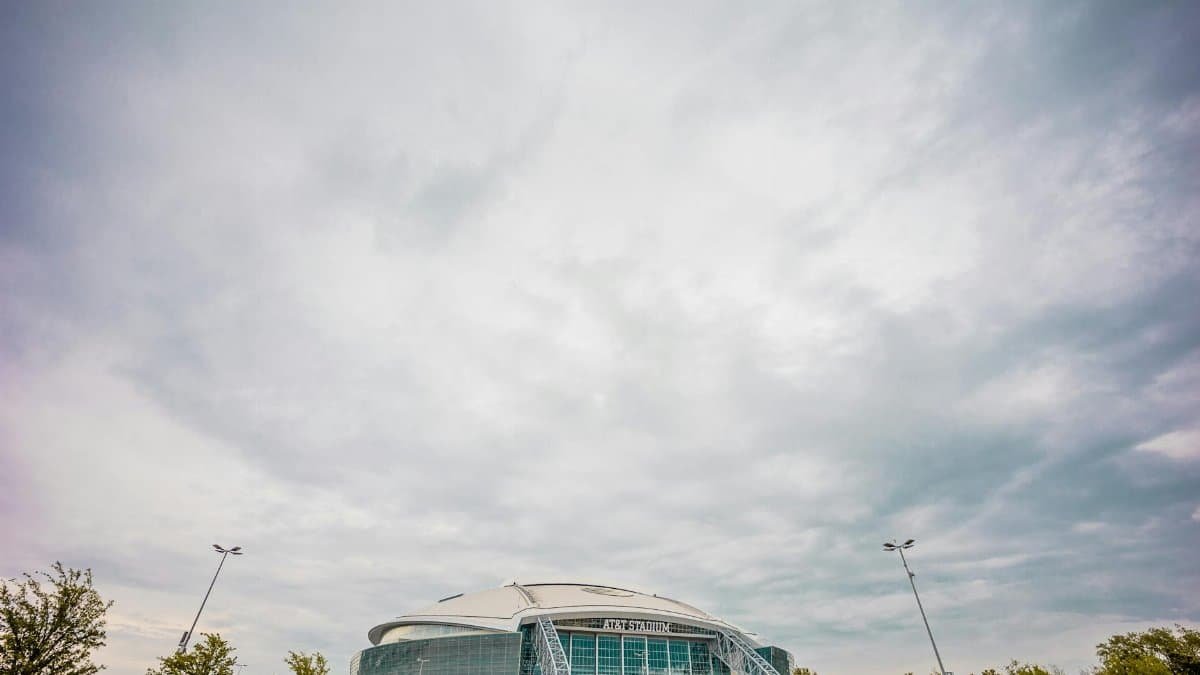
Houston can draw valuable lessons from stadium projects completed in recent years across the league. Venues in Las Vegas and Minneapolis offer examples of bold architectural statements that became instant landmarks. Meanwhile cities like Philadelphia have shown how renovation and addition strategies can breathe new life into established facilities. Each project carries unique circumstances yet common themes emerge around community engagement and realistic budgeting. McNair has studied these precedents closely according to sources close to the organization. The Texans appear determined to avoid pitfalls that have plagued certain other franchises while adapting successful elements to Houstons distinct context. This measured approach suggests the final outcome whether renovation or replacement will reflect careful consideration rather than hasty imitation.
A Promising Path Forward for Houston Football
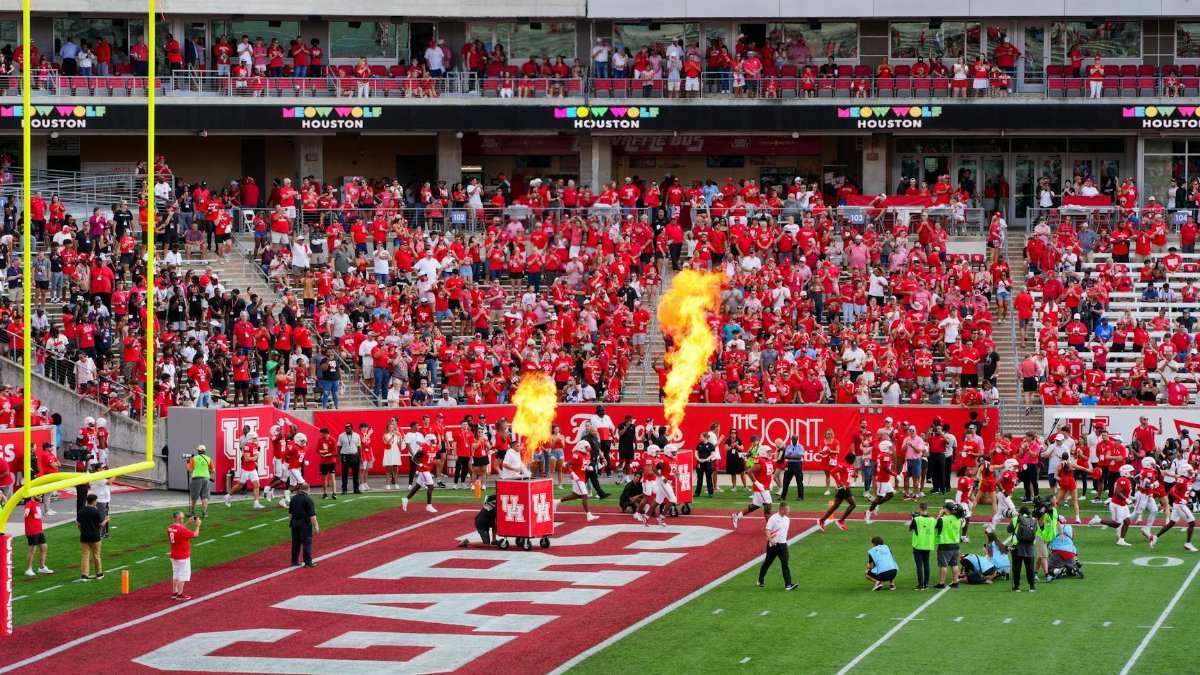
As planning progresses the Texans stadium future looks increasingly secure in its Houston home. McNair has provided more than vague assurances. He has outlined a deliberate process that prioritizes long term sustainability over short term spectacle. For a city with ambitious dreams and a complex history this measured commitment feels reassuring. The ultimate choice between renovation and new construction will shape more than Sunday afternoons. It will influence everything from neighborhood development to the intangible sense of pride that binds generations of residents. While many details remain unresolved one truth has grown clearer. The Texans intend to invest in their future here rather than seek it elsewhere. That decision alone offers Houstonians reason for optimism as discussions continue and plans gradually take shape. The coming years promise to test this vision but they also hold potential for a stadium worthy of the city it represents.