
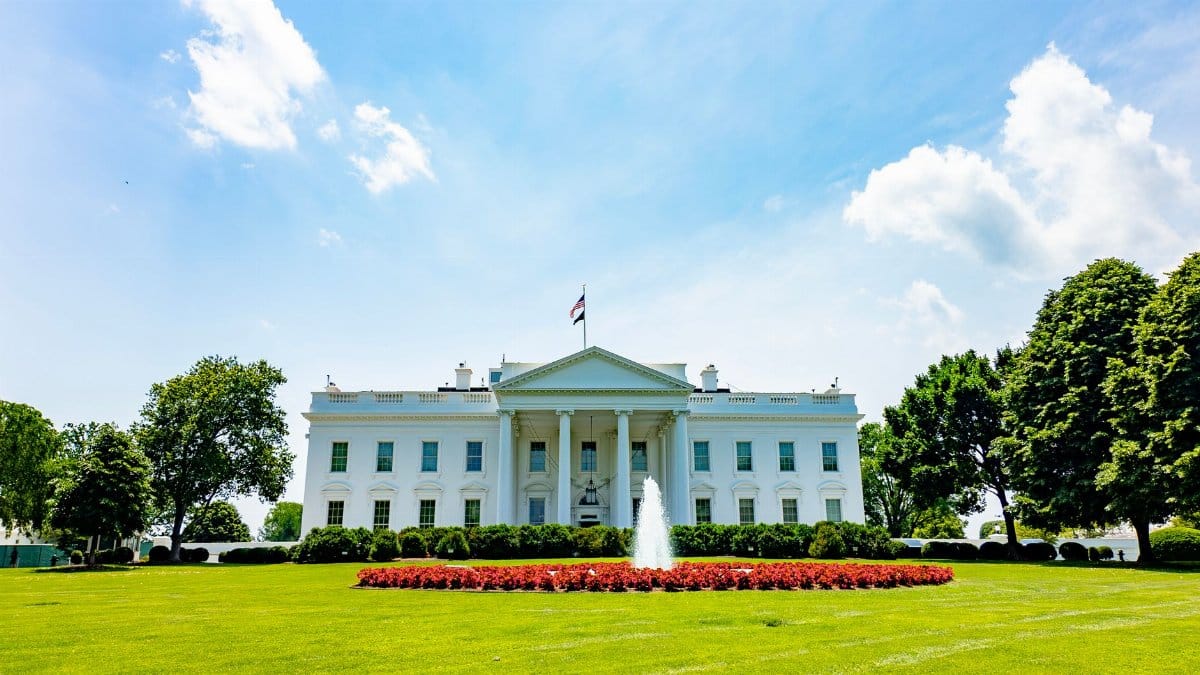
In a move that caught many observers off guard Chief Justice John Roberts issued a temporary order allowing construction to proceed on the ambitious project at the heart of Washington. This decision centers on the White House ballroom which promises to be a lavish venue for official gatherings and state events. Observers note that the project carries a price tag of four hundred million dollars and has already sparked questions about funding and historical preservation. The order halts lower court proceedings for now yet leaves room for further review later this year.
Origins of the Proposed Addition
The idea for expanding event space at the presidential residence traces back to earlier discussions about accommodating larger diplomatic functions. Planners argued that existing rooms often fall short during major summits and receptions. Supporters point to practical needs while critics question the scale and cost.
Role of the Chief Justice in Construction Disputes

Chief Justice Roberts holds a unique position in emergency appeals involving federal projects. His brief order reflects a preference for maintaining status quo during appeals rather than halting work outright. Legal experts see this as consistent with past handling of similar infrastructure cases.
Funding Questions Surrounding the Project

The four hundred million dollar estimate raises immediate concerns about sources of payment. Some funds appear tied to private donations while others may involve federal allocations. Lawmakers on both sides have called for detailed breakdowns before further progress occurs.
Preservation Concerns at the Historic Site
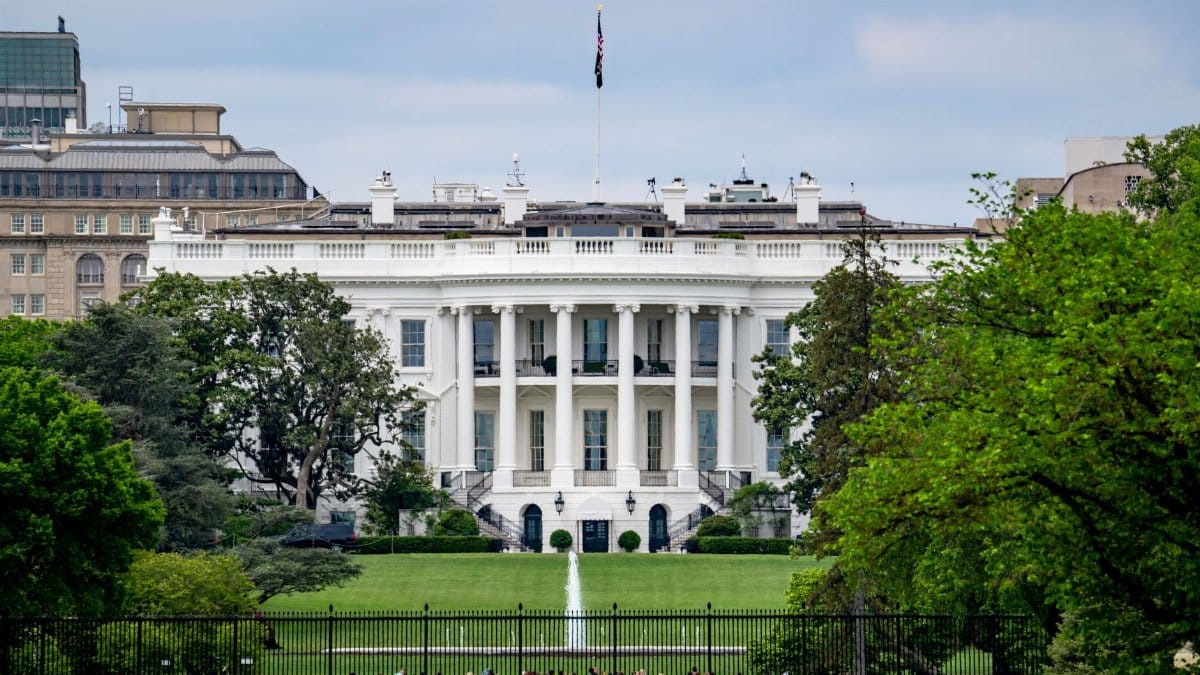
Any changes to the White House grounds require careful review by preservation boards. The ballroom plans include new structural elements that could alter longstanding sight lines and garden layouts. Advocates for strict oversight emphasize protecting the buildings original character.
Political Reactions Across Party Lines

Democrats have expressed alarm over the pace of approvals while some Republicans defend the need for updated facilities. Public statements reveal deep divisions on whether such a project aligns with current national priorities. Hearings in Congress may explore these tensions in coming months.
Impact on Future White House Events
If completed the space could host larger formal dinners and cultural programs than current venues allow. Organizers envision improved logistics for visiting dignitaries and media coverage. Yet the timeline remains uncertain pending additional legal steps.
Broader Implications for Federal Building Projects
This case may set patterns for how courts handle disputes over executive branch construction. Similar challenges could arise with other proposed upgrades at government properties. The temporary order signals caution without full endorsement of the plans.
Public Opinion and Media Coverage Trends

Polls show mixed views among middle aged Americans about the value of the investment. Coverage in major outlets focuses on both the legal mechanics and symbolic weight of altering the presidential residence. Discussions continue in editorials and talk shows nationwide.