
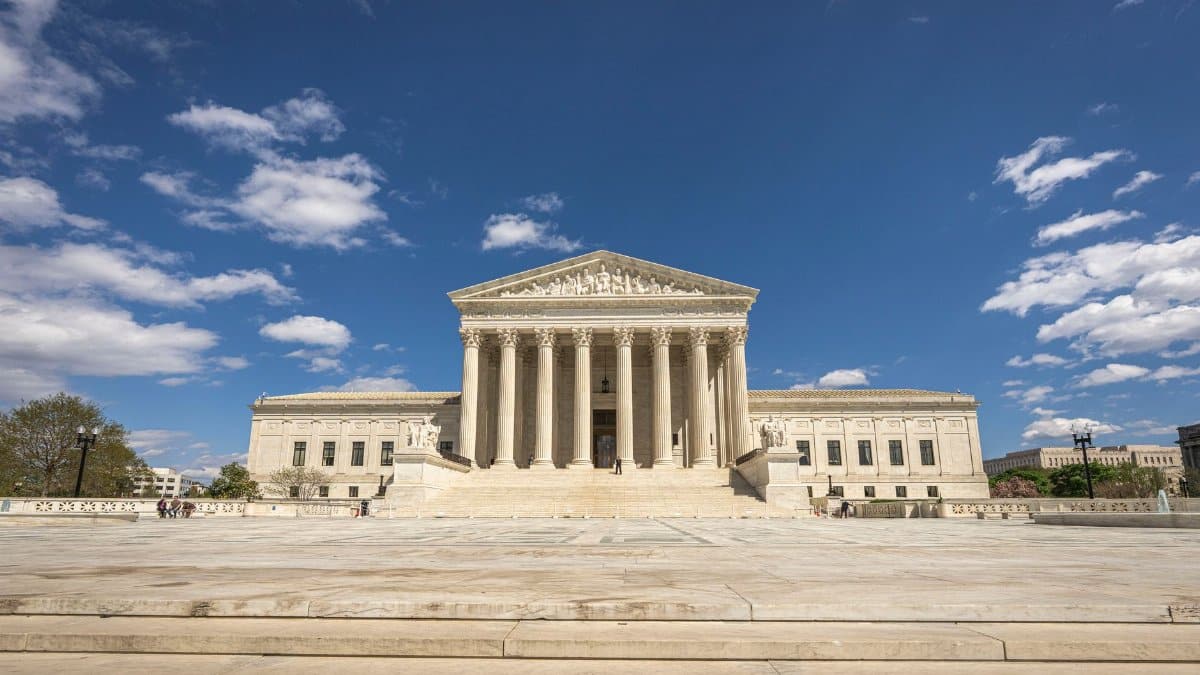
In a development carrying weighty consequences for how Americans cast ballots in coming cycles the Arizona Voter ID Supreme Court proceedings have placed new scrutiny on state authority over election rolls. Observers note that the dispute centers on an Arizona statute demanding documentary proof of citizenship during registration a measure challengers say creates needless obstacles while supporters view it as an essential safeguard. The arguments before the justices highlight tensions between federal election frameworks and local efforts to verify eligibility amid broader debates on access and integrity.
Origins of the Arizona Statute

The law emerged from legislative sessions focused on tightening registration standards after reports of incomplete citizenship data in state systems. Lawmakers argued that existing federal forms left gaps allowing potential noncitizens onto rolls. Proponents gathered examples from county clerks who encountered applicants lacking clear status documentation. This push reflected wider state level actions in recent years to address similar concerns through administrative requirements rather than relying solely on federal attestations.
Path Through Lower Courts

Federal district judges initially blocked parts of the requirement citing burdens on certain voter groups. Appeals courts offered mixed rulings with one panel upholding the core provision while another questioned its alignment with national voting statutes. These conflicting decisions set the stage for review at the highest level where clarity on state powers versus uniform federal forms became central.
Arguments Presented to the Justices
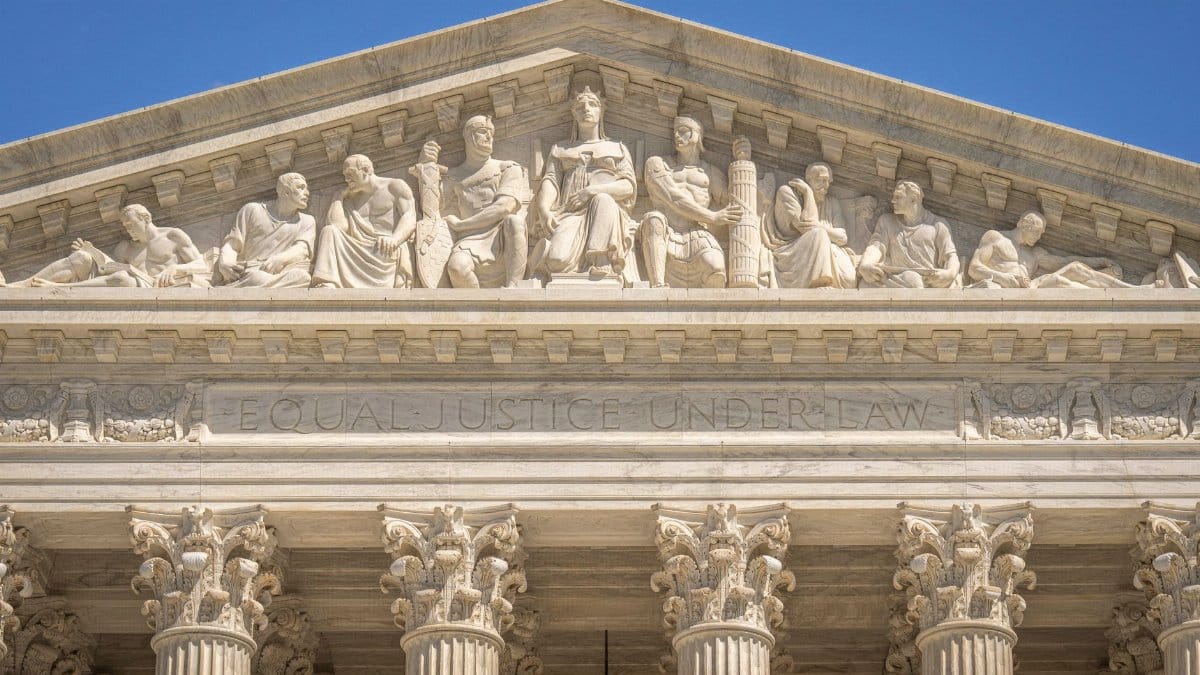
State attorneys emphasized constitutional room for verification steps that protect the integrity of the electorate. They pointed to administrative records showing thousands of registrations processed without full citizenship confirmation under prior rules. Opposing counsel stressed data from registration drives indicating drops in completed forms among eligible citizens who lacked immediate access to documents such as birth certificates or passports.
Views From Election Administrators

County officials in Arizona described practical hurdles in implementing the proof requirement including storage of sensitive records and handling of incomplete applications. Some noted increased processing times that strained limited staff resources ahead of deadlines. Others welcomed the change as a way to reduce later challenges to voter lists during canvassing periods.
Potential Effects on Registration Numbers

Analysts tracking similar measures in other states have observed modest declines in new registrations particularly among younger adults and recent movers who may not carry primary documents routinely. Yet overall turnout in subsequent elections showed little measurable shift according to state data compilations. These patterns suggest impacts vary by population density and outreach efforts by political organizations.
National Ramifications for Election Rules
A ruling favoring Arizona could encourage parallel legislation elsewhere prompting fresh questions about coordination between state motor vehicle agencies and federal election assistance programs. Conversely a decision limiting the approach might reinforce reliance on existing affirmation systems and limit additional documentation demands at the registration stage.
Perspectives From Advocacy Organizations

Groups focused on voting access have organized public education campaigns highlighting document acquisition processes and available fee waivers for low income applicants. Meanwhile organizations prioritizing election security have circulated model legislation drawing from the Arizona framework for use in other legislatures. Both sides frame their positions around core democratic principles though they differ sharply on the best methods to achieve them.
Looking Ahead to Implementation

Should the court uphold the law state agencies anticipate phased rollout with updated forms and training for poll workers. Officials have begun exploring digital verification partnerships with federal databases to ease transitions. The outcome will likely influence administrative planning well before the next major federal contest cycle.