
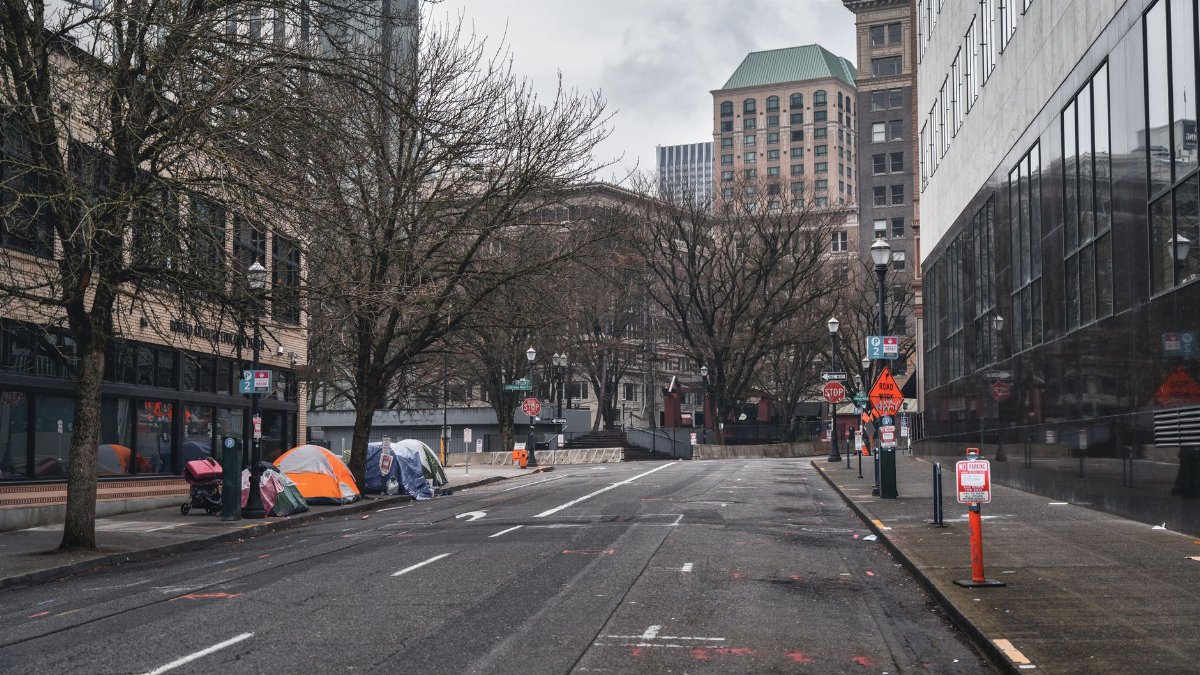
Los Angeles has long wrestled with visible hardship on its streets yet recent tallies reveal a striking contrast. While the broader city saw street homelessness climb by nearly eight percent new figures show a sharp reversal in one council district. This development brings fresh attention to Nithya Raman homelessness and the specific policies that produced such divergent results across neighborhoods.
Understanding the latest count data

City officials released updated numbers this summer that captured both progress and setbacks. The overall increase reflects ongoing pressures from housing costs and limited shelter space. In contrast the district represented by Councilmember Nithya Raman posted a forty nine percent decline in street homelessness. Local teams credit coordinated outreach and faster placement into interim housing. These outcomes suggest targeted efforts can yield measurable change even amid wider challenges.
Policy choices behind the district success

Councilmember Raman focused on expanding temporary shelters and pairing them with case management. Staff members worked directly with property owners to secure units for rapid rehousing. This approach differed from past citywide programs that spread resources more thinly. By concentrating funds and staff in high need areas the district achieved quicker turnover from street to stable settings. Observers note that consistent follow up proved essential to sustaining those gains.
Citywide pressures that offset local gains

Across Los Angeles rising rents and a shortage of affordable units continue to push people outdoors. Many residents face sudden job loss or medical bills that exhaust savings within months. Encampments have grown in areas where shelter beds remain scarce or rules feel too restrictive. The eight percent citywide rise underscores how isolated successes can be overshadowed without broader investment. Regional coordination remains difficult when each council district sets its own priorities.
Role of community partnerships

Nonprofit groups played a key part in the district reductions by staffing outreach teams seven days a week. Volunteers helped map encampments and build trust with individuals long wary of government services. Local businesses contributed by offering space for hygiene stations and storage. These alliances created multiple entry points for people seeking help. Without such networks the drop in Nithya Raman homelessness would likely have been smaller.
Challenges in scaling effective models

Replicating the district results elsewhere requires similar levels of staffing and political will. Some neighborhoods resist new shelters citing safety concerns or property values. Funding formulas often favor large projects over scattered site housing that many residents prefer. Bureaucratic delays in permitting and leasing slow progress even when money is available. Advocates argue that state level reforms could ease these bottlenecks.
Voices from those who found housing

One former resident described moving from a sidewalk tent into an apartment after months on a waitlist. Steady caseworker contact made the difference according to several people who transitioned successfully. They spoke of regaining dignity and the ability to seek work without daily survival demands. Such stories illustrate the human impact behind the percentage drop. Continued support remains vital to prevent returns to the street.
Looking ahead to future counts

City leaders plan another tally next year to track whether the district model spreads. Early signs suggest neighboring areas are studying the same mix of outreach and rapid placement. Budget discussions this fall will determine if additional resources flow to proven tactics. Public pressure could influence whether Nithya Raman homelessness strategies receive wider adoption. The coming months offer a window to build on recent momentum.