
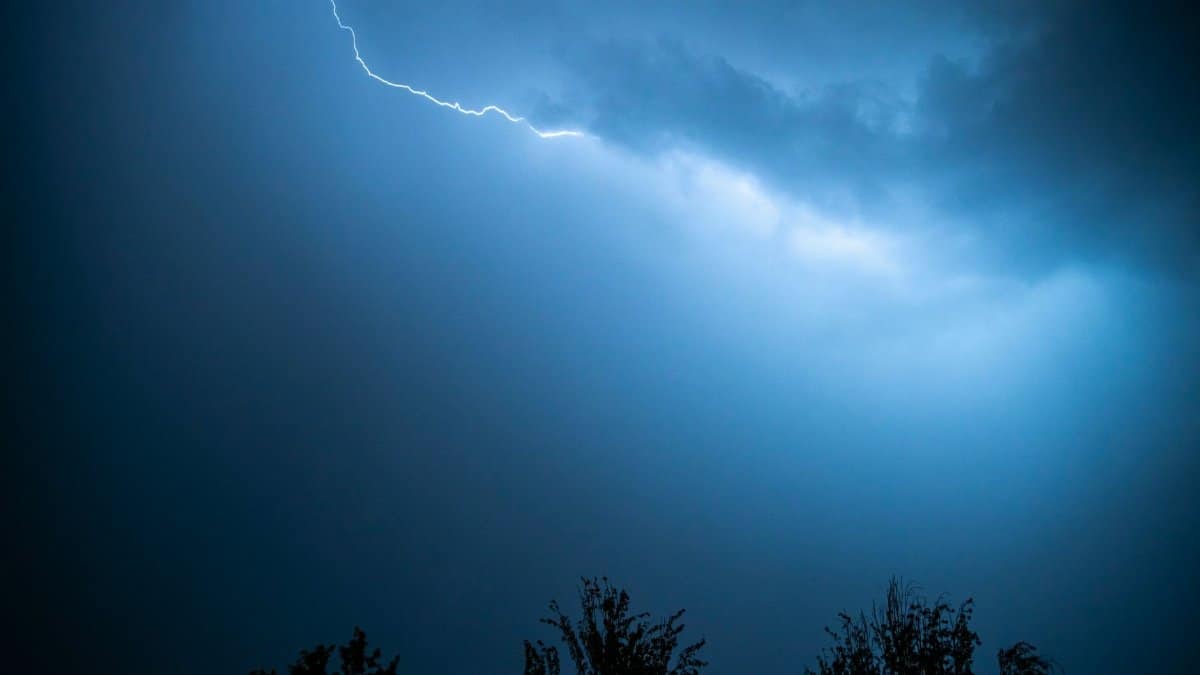
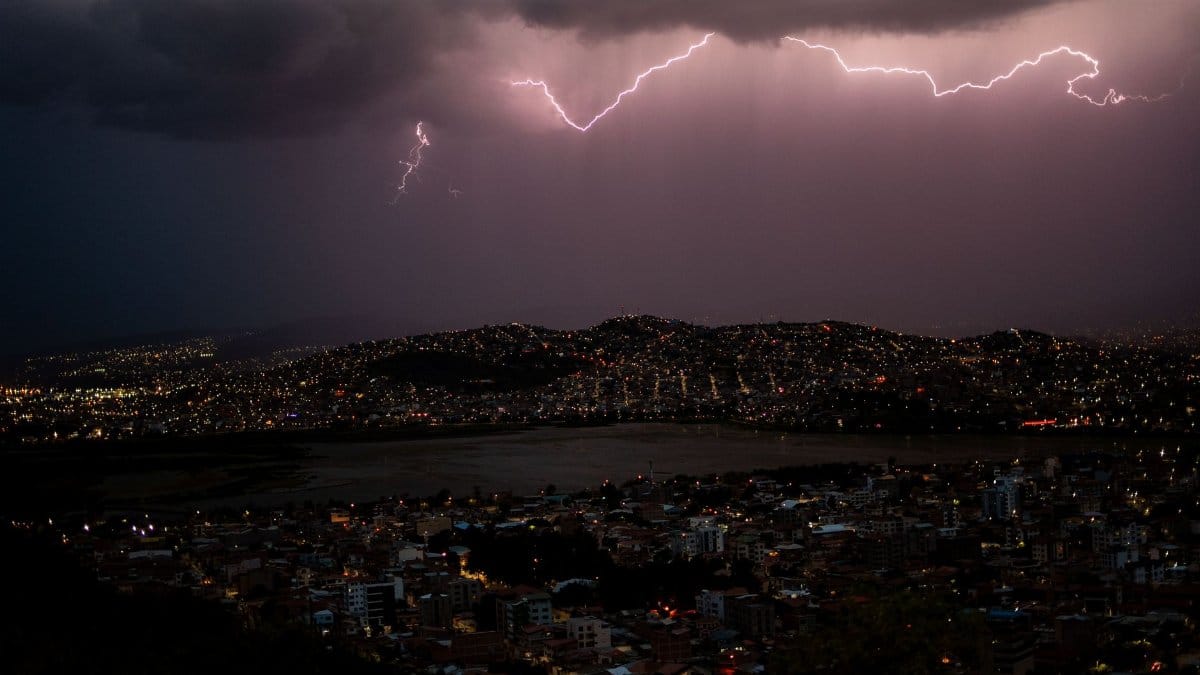
Severe storms swept through southwest Michigan leaving thousands without electricity just as families prepared for holiday gatherings. The disruption from Michigan Storms Power Outages arrived with little warning on July 2 to 3 in 2026 and quickly turned routine summer evenings into long stretches of darkness. Residents reported trees down across roads and transformers sparking in the wind while emergency crews worked through the night to restore order.
Weather Patterns That Fueled the Outbreak
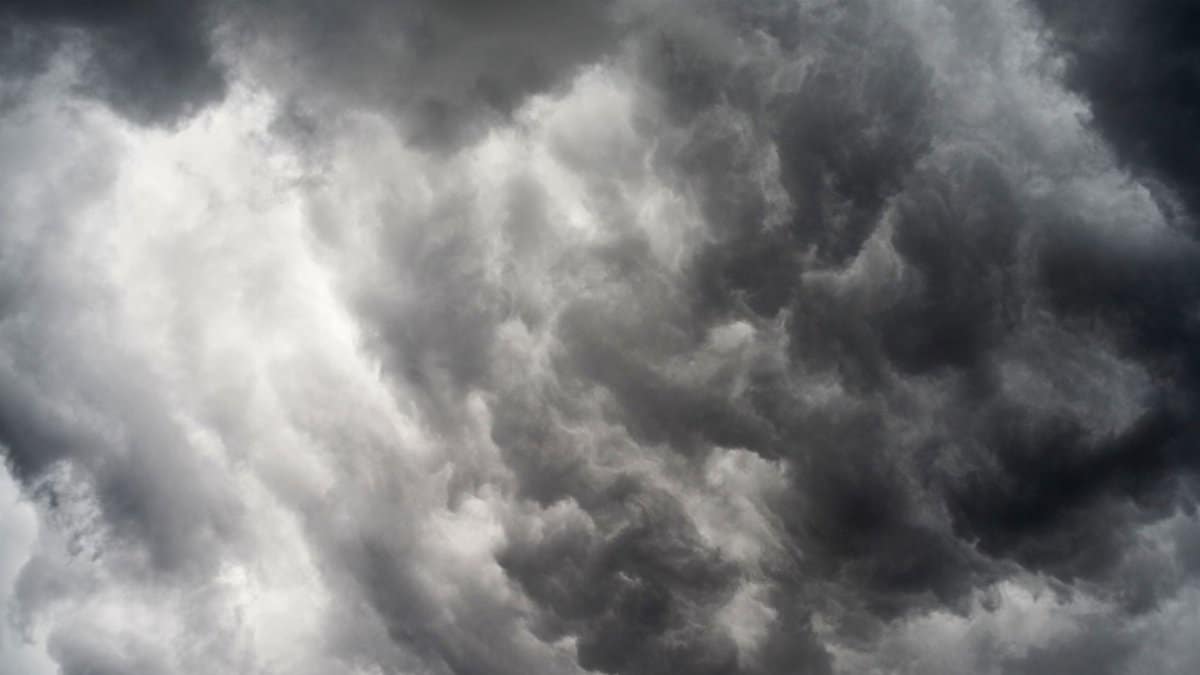
Forecasters traced the event to a fast moving line of thunderstorms that developed along a sharp cold front. Warm humid air clashed with cooler upper level winds creating bursts that toppled power lines in rural counties west of Kalamazoo. The same system had already produced hail and flash flooding farther north before it reached the southwest corner of the state.
Communities Left in Darkness
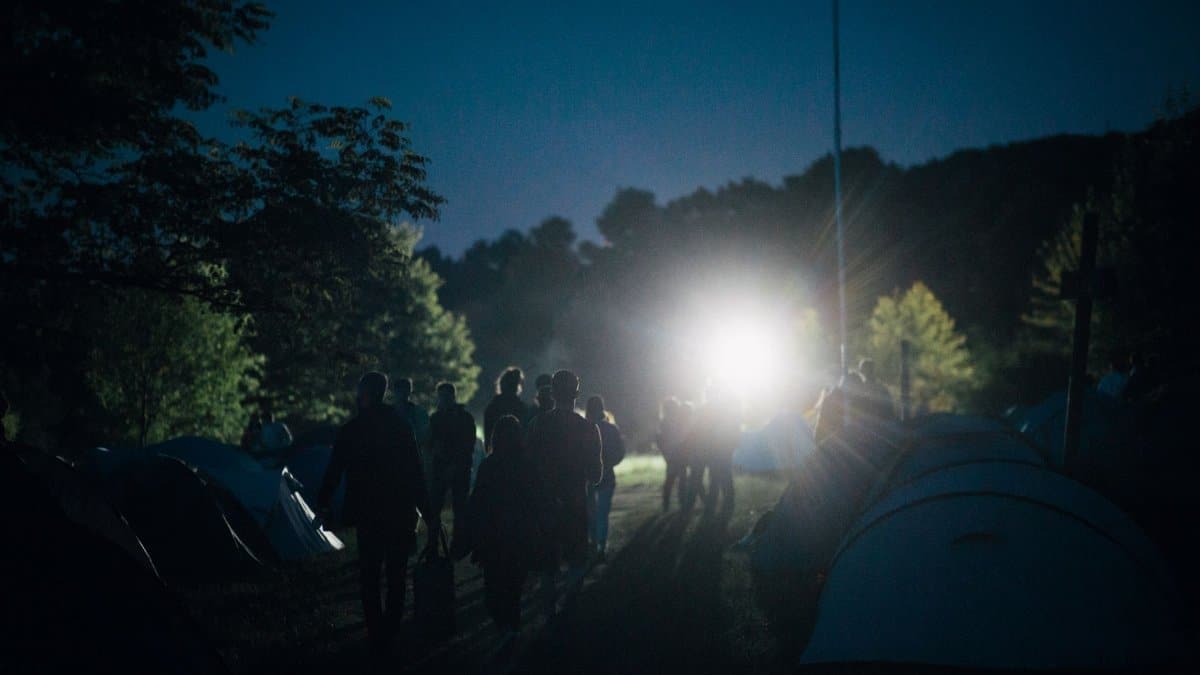
By midnight more than twelve thousand homes and businesses sat without power according to utility maps. Small towns such as Paw Paw and Dowagiac felt the brunt while larger cities including Benton Harbor saw scattered outages that lingered into the next afternoon. Local shelters opened their doors for residents who needed a cool place to rest or charge phones.
Utility Crews Respond Under Pressure
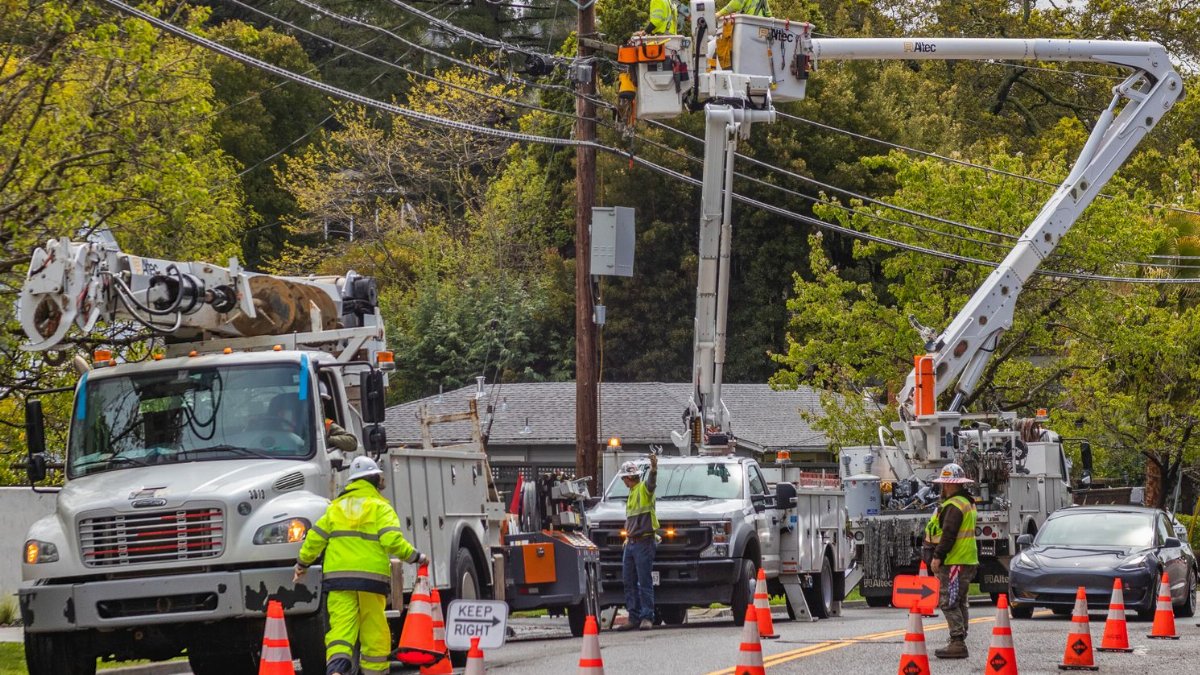
Line workers from the regional cooperative arrived within hours yet faced blocked roads and repeated lightning strikes. Crews described the challenge of clearing fallen branches before they could even reach damaged poles. Officials noted that mutual aid agreements brought extra teams from neighboring states which sped up repairs in the hardest hit zones.
Holiday Plans Interrupted

Many families had expected to host barbecues or attend parades yet found themselves cooking on portable stoves or seeking hotel rooms with working air conditioning. Grocery stores reported a run on ice and batteries as shoppers adjusted to the sudden loss of refrigeration. Organizers of local Fourth of July events considered moving some activities indoors or postponing fireworks displays until grids stabilized.
Economic Ripple Effects on Local Businesses

Restaurants lost perishable inventory while gas stations could not pump fuel without backup generators. Tourism operators along the lakeshore worried about canceled reservations during a normally busy stretch. Economists at nearby universities estimated daily losses in the low millions though they stressed that insurance claims would eventually offset some of the damage.
Lessons From Past Storms
Similar events in earlier decades prompted Michigan regulators to require stronger pole standards and underground wiring in new subdivisions. Advocates now push for wider adoption of smart grid technology that can isolate faults faster and reduce the number of customers affected by any single break. Comparisons to the 2017 windstorm show measurable improvement in response times though gaps remain in remote areas.
Public Safety Concerns Rise
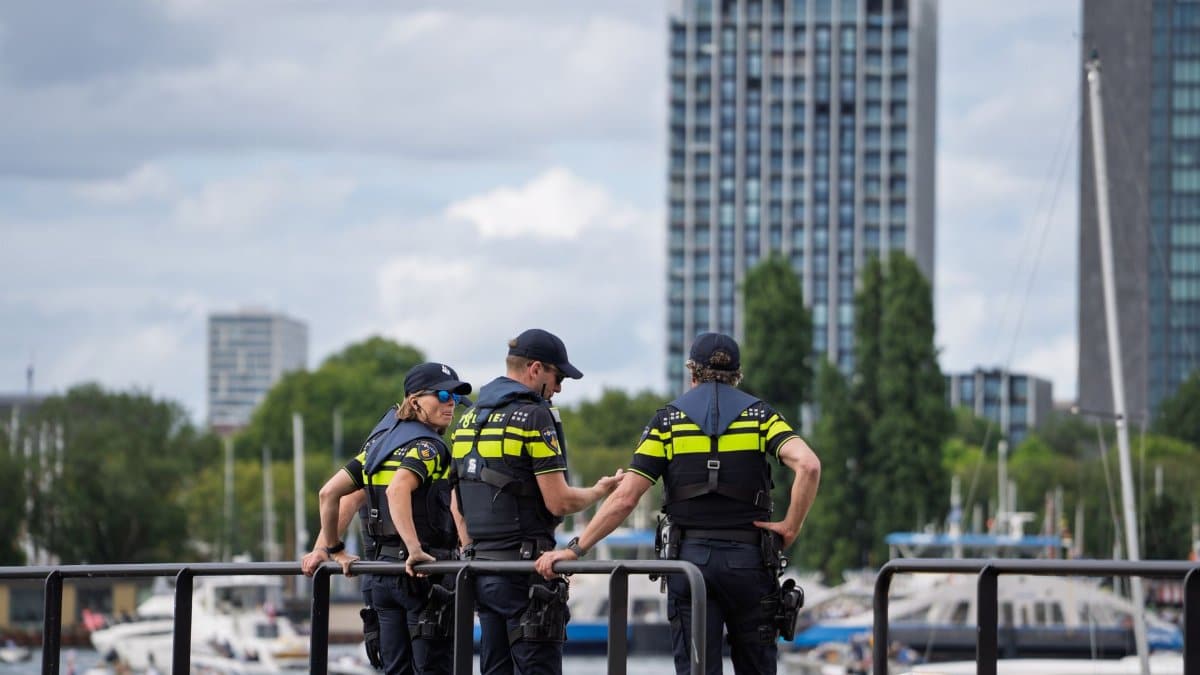
Police departments urged drivers to treat intersections without signals as four way stops and reminded residents to avoid downed lines. Fire departments handled an uptick in calls about carbon monoxide from improper generator use. Health officials opened cooling centers for elderly residents who lacked alternative power sources for medical equipment.
Long Term Infrastructure Needs
State lawmakers have scheduled hearings to review whether current vegetation management rules are sufficient along transmission corridors. Some experts advocate burying more lines in high risk corridors despite higher upfront costs. Others favor targeted tree trimming programs paired with drone inspections to spot weak spots before storms arrive.
Resident Resilience and Adaptation

Across the region people shared generators with neighbors and organized community meals cooked over charcoal. Social media groups coordinated rides to charging stations and distributed ice to households with infants or elderly members. These grassroots efforts often filled gaps until utility crews could reach every street.
Looking Ahead to Future Seasons

Climate researchers note that warmer Great Lakes surface temperatures may increase the fuel available for intense summer storms. Planning agencies now incorporate outage data into emergency response drills so hospitals and schools can maintain operations even when the grid fails. The recent Michigan Storms Power Outages episode serves as another reminder that preparation remains essential in a region accustomed to sudden weather shifts.