
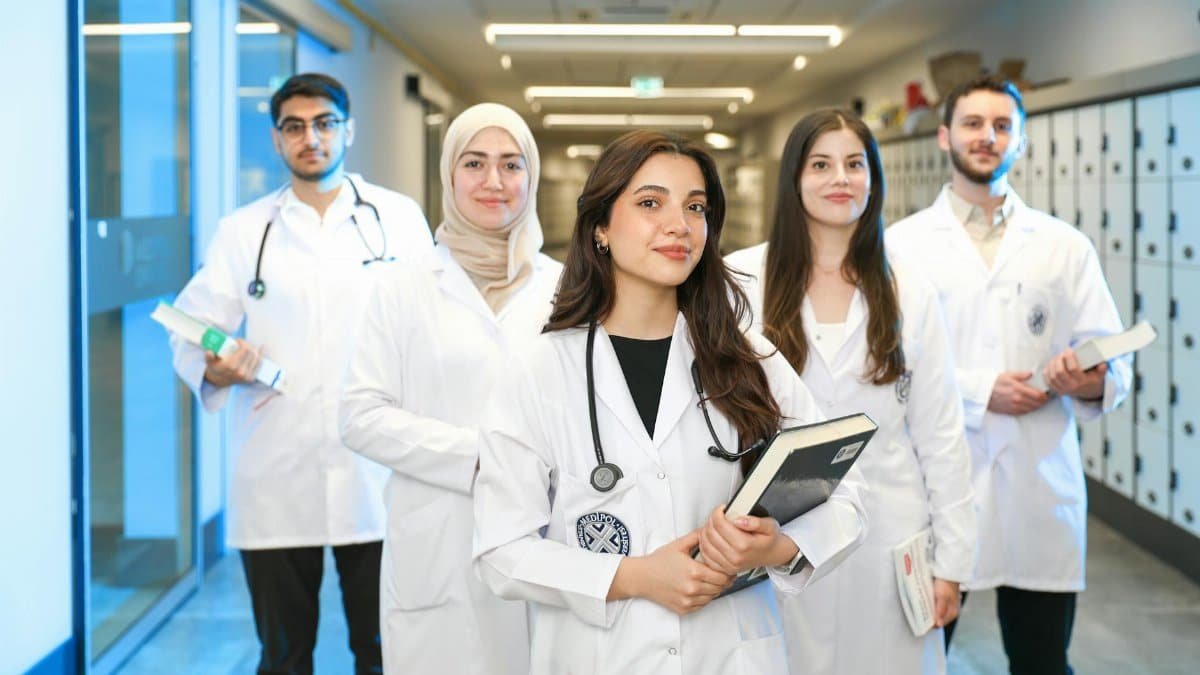
In a sunlit auditorium on Long Island, clusters of soon to be doctors sat shoulder to shoulder with parents, spouses and friends. Hands trembled as envelopes were opened. Gasps gave way to shouts of joy, quiet tears and long embraces. On this years medical students match day, the classes of 2026 from Stony Brook University and NYU Long Island learned exactly where their years of training would take them next. The ceremony felt less like a administrative event and more like a collective exhale after a decade of intense preparation.
The Tradition Behind The Match
For more than seventy years the National Resident Matching Program has orchestrated this nationwide ballet of supply and demand. Students rank their preferred programs while hospitals rank their preferred candidates. A sophisticated algorithm then pairs them. The result is revealed simultaneously across the country on the same Monday in March. The system aims to replace the chaotic free for all that once existed with something fairer and more transparent.
Yet numbers alone cannot capture what the day truly means. It marks the end of one identity and the beginning of another. These students stop being medical students and start becoming residents responsible for real patients. The weight of that transition settles heavily on their shoulders even as they celebrate.
Stony Brook Students Find Their Paths
At Stony Brook University one hundred twenty six students participated this year. Many stayed close to home with placements at Stony Brook Medicine itself or at nearby teaching hospitals in Manhattan and Brooklyn. Others scattered farther. One young woman who had spoken openly about her desire to serve rural communities matched to a family medicine program in upstate New York. Another student who lost a parent to cancer during college received his dream placement in an oncology fellowship track at Memorial Sloan Kettering.
Faculty members who had watched these doctors in training from their first nervous patient interviews stood proudly in the back of the room. Several later admitted they had to step outside for a moment to collect themselves. The pride ran deep because they understood how many obstacles these graduates had overcome.
Success At NYU Long Island
Just twenty miles west at the NYU Long Island School of Medicine the atmosphere proved equally electric. The relatively new medical school continues to build its reputation and this years match results strengthened that standing. A notable number of graduates secured spots in competitive specialties including dermatology neurosurgery and interventional radiology.
School leaders pointed to the institutions emphasis on early clinical exposure and wellness support as key factors. Students at NYU Long Island spend more time with patients from their first semester than at many traditional programs. That hands on preparation appears to be paying dividends when it comes time for program directors to choose their future residents.
Individual Journeys Of Resilience

Every match carries a personal story. Take Michael Chen from Stony Brook who immigrated with his family from Taiwan at age nine. He balanced his studies with helping at his parents small business while caring for a grandmother with dementia. His match into internal medicine at a top Boston hospital felt like the closing of a long circle. Or consider Sarah Patel from NYU Long Island who battled her own health challenges during her second year of medical school. Her placement in pediatrics at Childrens Hospital of Philadelphia represented both professional achievement and personal vindication.
These narratives remind observers that behind every white coat stands a human being shaped by unique experiences. The match process forces young doctors to confront uncertainty in a very public way. Many describe it as both terrifying and clarifying.
The Anxiety And Joy Of Discovery

The weeks leading up to medical students match day often test mental health. Students describe sleepless nights and racing thoughts. What if they do not match at all? What if they match somewhere far from aging parents or a partners job? The fear of the unknown can feel overwhelming.
Yet when the envelopes open the overwhelming emotion for most is relief. Even those who did not receive their top choice tend to express gratitude. They understand that the match represents the beginning of expertise rather than its culmination. The real learning the kind that cannot be taught in classrooms or simulation labs begins now.
Building Toward A Medical Career

The journey to this point is extraordinarily long. Most students entered college already focused on medicine. Four years of undergraduate study followed by four years of medical school and now at least three years of residency. Many will train for seven or eight years beyond that if they pursue surgical or subspecialty paths. By the time they finish some will have spent more than half their lives preparing for their careers.
This reality prompts reflection especially among middle aged readers who may recall far less structured career paths in their own youth. Medicine demands certainty early. The students who reach match day have typically known their destination since their late teens. Their discipline can feel almost unimaginable to those who changed majors three times or took years to discover their calling.
Finding Purpose In The Placement

There exists a spiritual dimension to medical students match day that rarely makes headlines yet resonates deeply with participants. Many describe a sense of alignment when they open their letters as though their particular combination of skills and experiences matches the needs of a specific community or hospital. Whether one views this through a religious lens or simply as the mysterious workings of purpose the feeling remains powerful.
Students often speak of medicine as a vocation rather than merely a profession. The match process tests that sense of calling. When the results arrive some experience a quiet confirmation that they are exactly where they need to be. Others face the challenge of finding meaning in a placement they did not expect. Both paths offer lessons in surrender and resilience.
Trends Across The Country

This year the National Resident Matching Program reported that more than forty thousand applicants competed for roughly thirty six thousand positions nationwide. Primary care fields continue to face shortages while certain specialties remain intensely competitive. Emergency medicine saw improved numbers after several difficult years while interest in psychiatry remains strong reflecting growing awareness of mental health needs.
Geographic preferences also shifted. Many students expressed desire to train closer to family perhaps a legacy of the isolation experienced during the pandemic years. Both Stony Brook and NYU Long Island reported higher than average numbers of students matching to programs in the New York metropolitan area.
Obstacles That Lie Ahead

The celebration of match day should not obscure the difficult road that awaits these new residents. They will work long hours under significant stress while shouldering increasing amounts of administrative burden and student debt. Many will delay starting families or buying homes well into their thirties. The emotional demands of caring for critically ill patients can erode even the most committed healers.
Yet the graduates interviewed for this story displayed remarkable awareness of these challenges. Most spoke of support networks they had built and wellness practices they planned to maintain. Their realism seemed grounded rather than cynical suggesting a generation of physicians determined to care for themselves as diligently as they care for others.
Looking To The Future With Optimism

As the celebrations wound down on Long Island students began making practical plans. Some would move across the country in just a few months. Others would remain in familiar surroundings but step into dramatically new roles. All carried the knowledge that they had earned their places through merit and perseverance.
For those of us who watch from a distance medical students match day offers reassurance. Despite political debates funding battles and systemic problems in American healthcare talented dedicated young people continue answering the call to become physicians. Their joy on this milestone day feels earned and contagious reminding us that medicine remains one of our most human and hopeful professions.
The envelopes have been opened. The matches made. Now the real work begins.