

The race for California governor has drawn fresh attention as Republican Steve Hilton urges his Democratic rival Xavier Becerra to commit to multiple public exchanges. This push comes at a time when voters seek clarity on leadership amid shifting state priorities. The topic of California governor debates now stands out as a focal point for those following the contest set for November 2026. Hilton frames his request as a chance to let residents hear direct contrasts rather than filtered messages. Observers note that such events could shape perceptions in a state with diverse economic and social needs.
Background on the Candidates and Their Positions

Steve Hilton brings experience from media and policy circles while Xavier Becerra has served in federal roles focused on health and legal matters. Their paths reflect different approaches to governance in a large and complex state. Hilton has emphasized practical solutions drawn from business and community efforts. Becerra stresses established programs and institutional knowledge. The contrast sets the stage for discussions on how each would handle growth and daily challenges.
Why Multiple Debates Matter for Voters
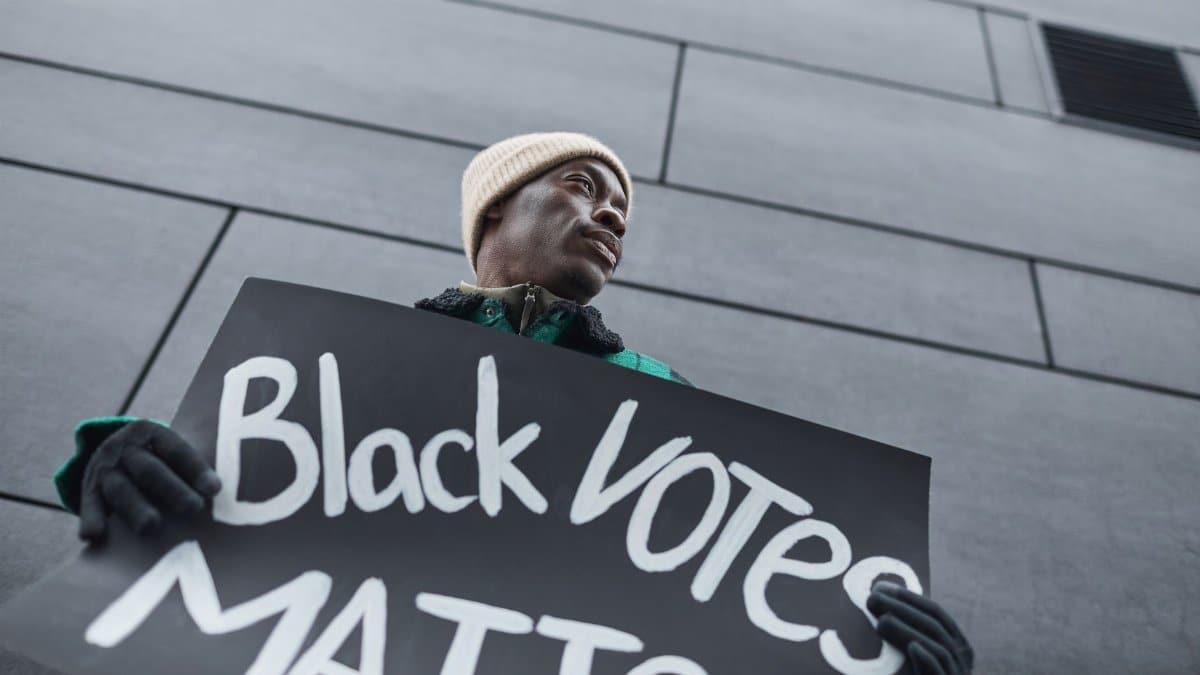
A series of events allows time to cover issues like housing costs education funding and infrastructure needs without rushing. Residents gain repeated exposure to ideas rather than one snapshot. This format supports informed choices in a state where turnout often depends on clear information. Past cycles show that repeated public forums can raise engagement levels across regions.
Public Response to the Challenge

Early reactions from political watchers range from support for open dialogue to questions about scheduling logistics. Community groups have voiced interest in seeing both men address local concerns directly. Some analysts suggest the call could pressure the campaign to prioritize accessibility. Others point to how such requests have played out in prior state contests.
Role of Media in Covering These Exchanges

News outlets will likely shape how the events reach wider audiences through live streams and summaries. Balanced reporting can highlight substance over spectacle. Broad coverage helps bridge urban and rural perspectives on shared topics. The format also invites fact checks that add depth for readers seeking accuracy.
Historical Patterns in California Gubernatorial Contests
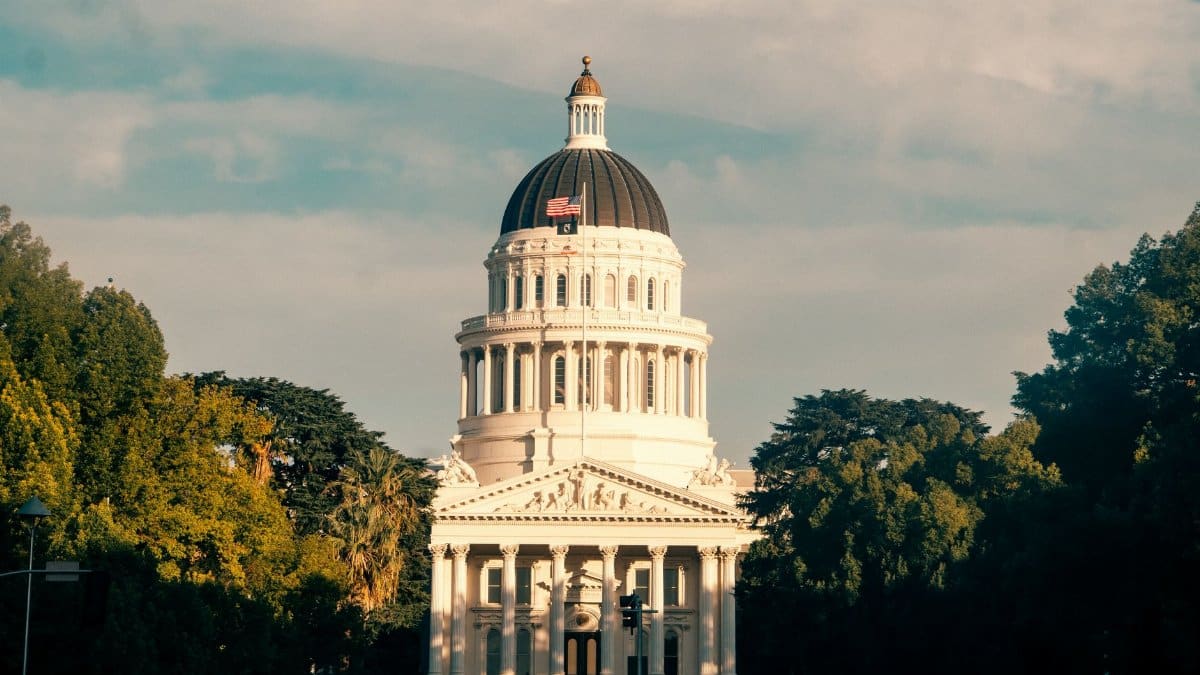
Earlier races featured varying numbers of public meetings often influenced by party strategies and media interest. Outcomes sometimes hinged on how candidates handled pressure in real time. Lessons from those periods inform current expectations around transparency. The current request echoes calls for accountability seen in past cycles.
Potential Impact on Key Policy Areas

Discussions could touch on water management energy sources and economic recovery plans. Each candidate brings distinct records that invite comparison. Voters may weigh these details when assessing long term effects. The exchanges offer a platform to explore tradeoffs in resource allocation.
Challenges in Organizing Fair Formats

Agreeing on moderators topics and timing requires coordination between teams. Neutral rules help maintain focus on issues rather than distractions. Past examples demonstrate that clear structures benefit participants and audiences alike. Attention to details can prevent later disputes over process.
Broader Implications for State Leadership

The outcome of this back and forth may influence how future candidates approach visibility. It underscores the value placed on direct communication in democratic processes. Residents stand to gain from sustained attention to governance questions. The focus remains on delivering results that match public expectations.