

On a Tuesday morning in the West Loop, the lobby of a tower that is only partly leased is quiet enough that a guard can hear the elevator cables. A few blocks away, a former showroom is crowded with laptop lids, phone calls, and the smell of coffee. That split is the plainest picture of the Chicago co-working boom: small rooms filling while large floors stay dark, even as more than 30 percent of the city’s office stock sits empty and operators opened 64 shared workplaces last year.
A quieter Loop than the renderings promised

Walk the central business district on a weekday and the emptiness is not theoretical. Turnstiles click less often. Sandwich shops close early. Conference floors that once hosted law firm retreats now show paper signs about available suites. Brokers still talk about flight to quality, meaning tenants who remain want newer buildings with better air, light, and amenities. Many of those tenants also want less space than they held before remote and hybrid schedules became ordinary.
The result is a market with two speeds. Trophy towers can still command attention. Older buildings, especially those with deep floor plates and tired lobbies, struggle to find a single user for 40,000 square feet. Owners who cannot land that user are listening to a different pitch: slice the floor, add a reception desk, and rent desks and rooms by the month.
Rooms built for a narrower kind of work

The notable change is not simply more shared desks. It is specialization. One operator courts architecture studios that need pinup walls and plotters. Another courts therapists who need soundproof rooms and a discreet entrance. A third builds for podcast teams, with booths that would have looked extravagant in a generic suite a decade ago. The Chicago co-working boom, in this reading, is less a return of the open office and more a bet that narrow needs can fill space a general tenant will not take.
Members pay for the fit, not only the address. A founder who needs a wet lab bench is not shopping the same product as a recruiter who needs a quiet phone room four days a week. Operators who blur those differences tend to lose both customers. The ones gaining ground write their rules, hours, and furniture around a single craft.
Why landlords are carving big floors into small suites

From the owner’s side, the math is uncomfortable and simple. A vacant floor produces no rent and still demands taxes, insurance, and basic operations. A flex operator may pay less per square foot than a law firm once did, and may ask for a shorter term, but a signed deal is better than a dark floor in a lending conversation. Some owners partner with an operator and share revenue. Others build their own suites and hire a manager, hoping to keep more of the upside.
Lenders are not uniformly pleased. A building once valued on long leases to credit tenants looks different when income arrives in monthly memberships that can be canceled. Appraisers have started asking harder questions about how much of the rent roll is truly sticky. That tension has not stopped the conversions. It has made them more cautious, with smaller test floors rather than whole building reinventions.
The people actually paying the monthly fee

The membership lists are not a cartoon of twenty somethings in hoodies. Many regulars are in their forties and fifties, running consultancies, design practices, or regional sales teams that no longer justify a private lease. They want a place that is not the kitchen table and not a downtown tower they cannot fill. They also want neighbors who will not treat the room like an airport lounge.
Parents mention school schedules. Lawyers between firms mention confidentiality. Visiting executives from Milwaukee or Indianapolis book a day desk because the old satellite office was closed and the hotel lobby is a poor place for a client meeting. None of this is glamorous. It is practical demand, and it explains why specialized rooms can be busy while the tower next door posts another quarter of negative absorption.
Growth beyond the downtown core
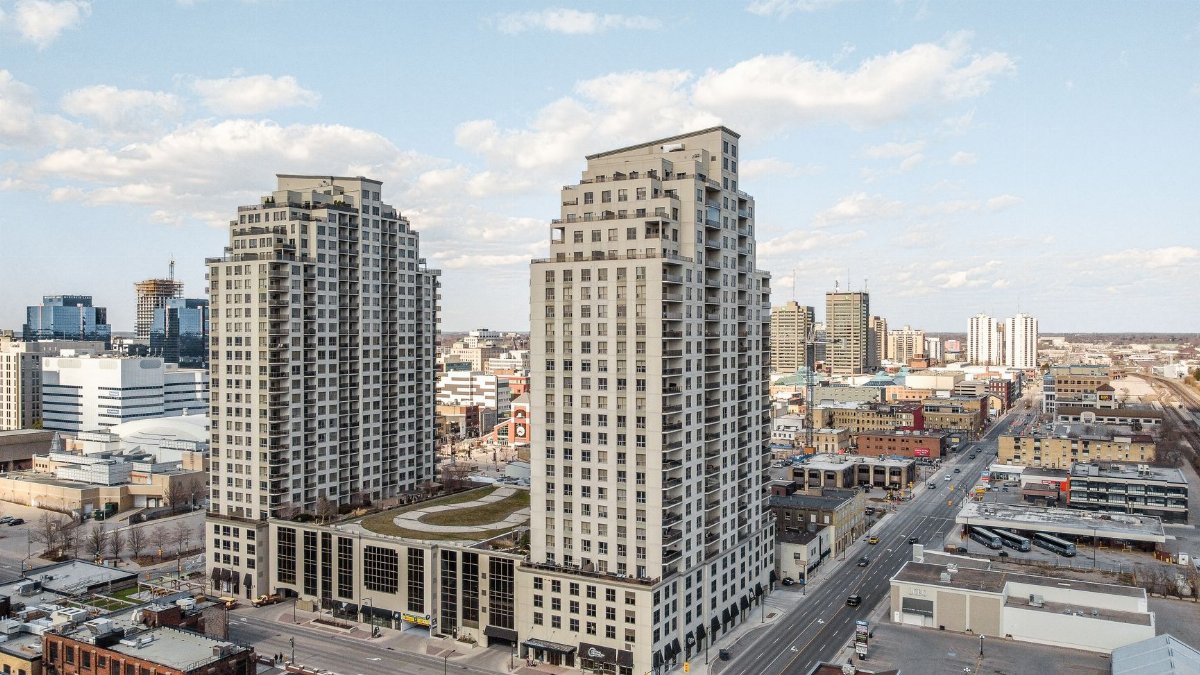
Not all of the new rooms are in the Loop. Neighborhood corridors on the North Side, in Hyde Park, and near transit stops in the near west have picked up smaller sites where a landlord would rather have daily foot traffic than a dark storefront. These locations sell convenience: a short walk or a single train ride, a printer that works, and a meeting room that does not require a trip into the densest part of downtown.
That geographic spread matters for the Chicago co-working boom because it loosens the old assumption that serious work happens only inside a handful of zip codes. A therapist who sees clients after school, or an accountant who meets small business owners on Saturday morning, may never have been a candidate for a Loop lease. They are candidates for a well run room near home.
Design, hospitality, and the club feeling

Operators talk less about square footage and more about how a person is greeted. A staffed desk, a clear policy on phone calls, and kitchens that are actually cleaned are now part of the product. Some sites borrow the tone of a private club, with member events and quiet hours. Others reject that tone and aim for something closer to a workshop, where mess is allowed and the coffee is secondary to the tools.
The risk of the club approach is exclusion dressed up as taste. High fees and opaque application rules can shrink the very market landlords need. The sites that seem durable are specific without being snobbish: clear prices, reliable rooms, and a community defined by the work rather than by who already knows the founder.
The vacant towers that still dominate the skyline

None of this erases the larger vacancy. More than 30 percent of office space empty is a civic fact, not a rounding error. It shows up in tax appeals, in reduced foot traffic for retailers, and in the uneasy quiet of plazas that were designed for lunch crowds. Flex suites occupy a fraction of that dark inventory. They are a pressure valve, not a cure.
City data and brokerage reports will keep disagreeing on the exact vacancy rate, depending on whether they count available sublease space and how they treat buildings slated for conversion to housing. The direction is harder to argue with. Demand for large, undifferentiated office floors has not returned to the levels owners underwrote before 2020. Until it does, or until more buildings change use entirely, specialized shared space will look like one of the few categories still adding doors.
Concessions, rents, and a fragile balance sheet

Pricing is a negotiation dressed as a menu. A posted monthly rate often hides free months, furniture allowances, or a discount for a longer commitment. Operators need occupancy high enough to cover staff and build out. Members need a price that beats both a private lease and the cost of working badly from home. When either side blinks, the deal structure changes faster than a traditional office lease would allow.
That speed is a strength and a warning. A site can fill in a season and thin out in the next if a large member leaves or if a landlord raises the underlying rent. Several operators have already learned that a beautiful room with the wrong cost structure becomes a short story. The survivors tend to own or control their real estate on terms that survive a soft quarter, or they keep their build out cheap enough to move.
What City Hall and transit riders notice

Public officials watch the trend with mixed feelings. More occupied storefronts and lobbies mean more daytime spending and a reason to keep transit frequent. They do not, by themselves, replace the property tax base of fully leased towers, nor do they solve the harder question of what to do with obsolete high rises. Housing conversions, where they pencil, remain a separate and slower project, tangled in financing, building codes, and the shape of old floor plates.
Riders notice something simpler. A train car that was sparse at 9 a.m. may be a little fuller if a neighborhood site pulls people out of spare bedrooms. It will not look like 2019. Expecting it to is a good way to misread a partial recovery as a failure.
When specialization becomes a liability

A room built only for one craft can become a trap. If podcast production moves back into apartments, or if a wave of architecture firms consolidates, the booths and pinup walls do not easily become something else. Generic flex space is easier to retenant and harder to love. Specialized space is easier to love and harder to retenant. Operators who ignore that tradeoff are repeating an old mistake with better furniture.
There is also a cultural risk. If every new site markets itself as a haven for a narrow profession, the city can end up with a set of private rooms that never meet. The older argument for shared offices, that strangers in different trades might help one another, weakens when the membership is a single guild. Some of that loss is fine. A therapist does not need a sales floor next door. Some of it is a real narrowing of what downtown used to offer by accident.
A cautious reading of the next lease cycle
The honest forecast is modest. The Chicago co-working boom can continue as long as big floors stay hard to lease and as long as operators keep their promises about quiet, tools, and fair dealing. It will not, on present evidence, refill the skyline. Sixty four openings in a year is a real pulse. It is not a restoration.
What to watch is less the ribbon cuttings than the renewals. Do members stay after the introductory rate ends? Do landlords still prefer a flex partner when a conventional tenant finally appears? Do specialized build outs find a second use if the first craft cools? Those answers will say more than any slogan about the future of work.
For now the city holds two pictures at once. Towers with papered windows, and smaller rooms where someone has finally found a desk that fits the work in front of them. The Chicago co-working boom lives in the gap between those pictures, useful, limited, and still being tested by the emptiness around it.