
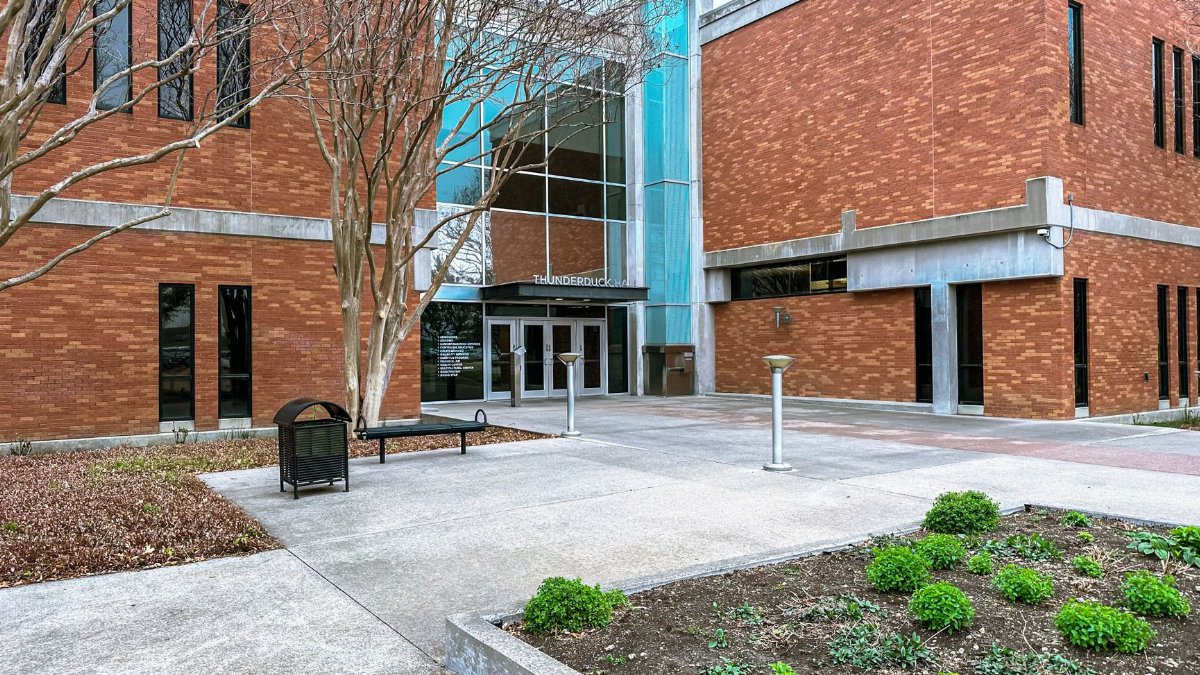
On a warm weekday morning near the University of North Texas at Dallas, campus traffic mixes with church vans and parents already calculating the rest of the day. This corner of southeast Oak Cliff has lived for years inside planning documents that promised investment and then asked residents to wait. City leaders now describe a familiar stretch of ground as the site of University Hills mixed-income apartments, housing meant for families who already belong here and for newcomers the neighborhood can actually afford to welcome. The announcement is not abstract to people who measure a good week by whether the rent, the bus, and the grocery all land in the same budget.
A stretch of ground that has done a lot of waiting

South of downtown, University Hills has often been a name on a map rather than a place outsiders could picture. The university has added students, programs, and a reason to turn off the highway. Around it, daily life still depends on long errands, careful timing, and the kindness of a neighbor with a working car. New apartments on this ground will not erase that history. They will test whether Dallas can build shelter where it has mostly built expectations.
Residents notice distance before they notice renderings. A clinic visit can consume half a day. A missed bus can cost a shift. When officials speak of investment, people who live here translate the word into minutes, dollars, and whether a child can get home before dark. That translation is the only one that matters.
The partnership and the public receipt

The homes under discussion carry the name University Hills mixed-income apartments, and the name should not be allowed to outrun the terms. Dallas has paired public authority with private builders on housing before. Sometimes the result is a building neighbors defend. Sometimes it is a brochure that aged badly. The present plan, as city leaders have framed it, centers on family units in southeast Oak Cliff and on exemptions from property tax that can last for decades.
That is not a minor courtesy buried in a closing packet. A tax exemption measured in decades changes the math that decides whether a builder aims for modest rents or for the highest price the market will bear. It also asks other taxpayers to accept less revenue from the site. The exchange can be fair. It is fair only if the public can see what it bought.
What sharing an address is supposed to mean

Mixed income is a phrase that sounds tidy in a council chamber and messy in a lobby. In plain speech it means households with different paychecks sharing a building, a playground, a mail room, and the same rules about noise after ten. The hope is that subsidy does not create a separate city inside the city. The fear, familiar from meetings in many American towns, is that the pricier homes become the real project and the affordable ones become a footnote in small type.
Dallas will be judged on the split between those homes, on whether the affordable share is large enough to matter, and on whether a family of four is offered more than a hopeful studio. A shared address is a moral claim. It is also a floor plan. If the floor plan fails, the claim fails with it.
Family homes and the arithmetic of a paycheck
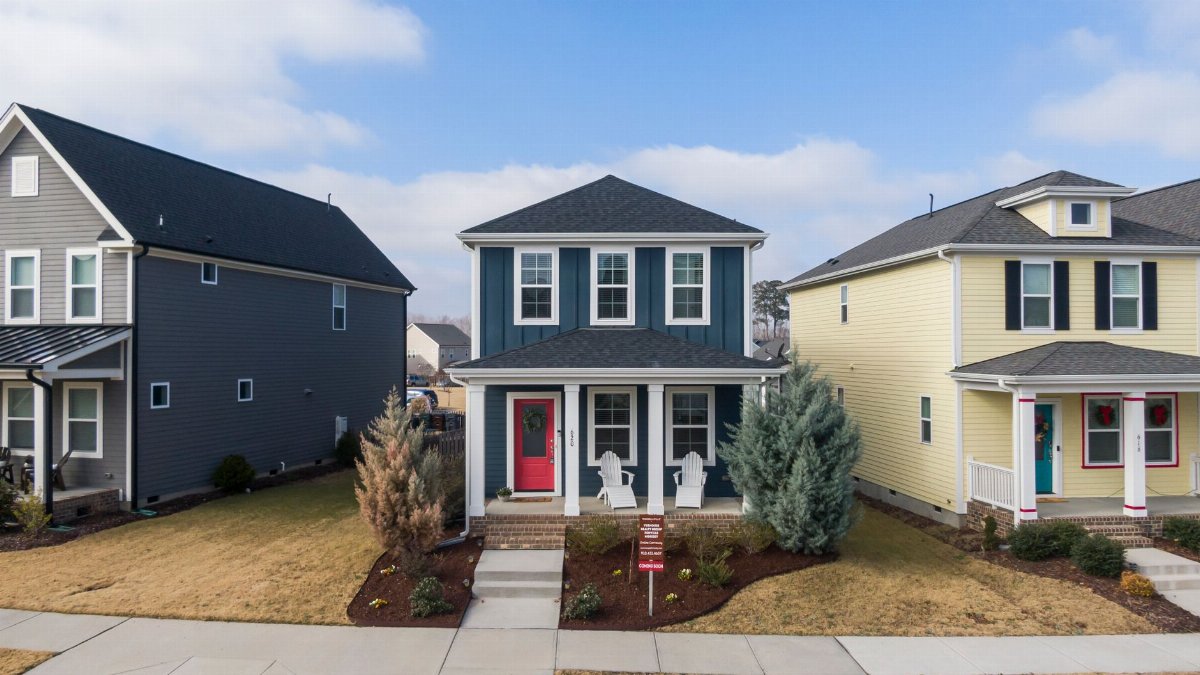
Parents in this part of the city do not need another speech about stability. They need a second bedroom, a door that locks, a stove that works, and a lease that does not jump past a paycheck. Family units are the part of the plan that will decide whether the partnership is serious. A smaller apartment can help a student or a single worker near the campus. It does not answer the crowding that turns homework into a negotiation over the kitchen table.
The daily arithmetic is blunt. Rent, utilities, a bus pass, school supplies, and a phone that a job requires. When one of those numbers moves, the others have nowhere to go. Builders and city partners like to talk about affordability as a percentage of area income. Renters talk about it as the week they can still buy meat and the week they cannot. Any lease that ignores that difference is a document written for someone else.
Decades of tax relief and the strings that should follow
An exemption from property tax that runs for decades is a public gift with a long memory. Supporters will say the gift is the only practical way to hold rents down while lumber, labor, and interest stay expensive. Critics will ask who captures the gain if the blocks around the site grow more valuable and the exemption remains. Both questions belong in the open, in language a renter can repeat without a lawyer in the room.
Southern Dallas has watched land become more interesting to investors while some longtime residents still wait for ordinary retail and reliable transit. Relief from taxes should be tied to rents, to the size of homes, and to a standard of upkeep that survives a sale to a new owner. A break without those strings is a quieter way to privatize the upside and socialize the wait.
The map between a shift and a front door

Housing is never only housing. A parent who can walk a child toward a campus program, catch a bus to a hospital job, and still make dinner is living a different life from a parent who spends two hours in a car that needs a repair they cannot schedule. Planners have called this geography an opportunity area for years. Opportunity is a word that wears thin. The map does not. Where is the grocery. Where is the clinic. Where does the night shift end.
Apartments succeed when that map gets shorter, not when a rendering looks green. If the new homes sit far from food, transit, and child care, the tax deal will have purchased isolation at a discount. If they sit inside a working circuit of school, work, and worship, the same deal may finally match the speeches.
Congregations that already know who needs a key

Any honest account of housing in Oak Cliff has to admit that congregations and block clubs have carried work the city never fully funded. Food pantries, rent help passed quietly across a pew, rides to interviews, funeral meals that also feed a family for the week. These communities already function as informal housing agencies. They know who is sleeping on a cousin’s couch. They know which grandmother is keeping three grandchildren under a roof that leaks when the wind turns.
New apartments will not replace that knowledge. They might, if public officials listen, give those communities a destination that is not an endless waiting list. Faith here is less a slogan than a record of who showed up when the rent was late. A housing plan that ignores that record will misunderstand the neighborhood it claims to serve.
The archive of plans that left weeds behind

Trust is the scarce material on these blocks. Residents can list announcements that arrived with site plans and departed with weeds. That memory is not cynicism for sport. It is a local archive, kept because nobody else was keeping it. People who have sat through meeting after meeting want dates, unit counts, and a manager they can call when the elevator stops. They also want to know whether renters nearby will be pushed out by the very improvement offered in their name.
A project can be both needed and dangerous. It is dangerous if it lifts the value of every lot around it and offers no path for the people who held the neighborhood together through the thin years. Displacement does not always arrive with a notice that says so. Sometimes it arrives as a higher tax bill on a house that was paid off, or as a landlord who suddenly sees a better tenant in the brochure.
What the public record should show before anyone cheers

If dirt starts to move, the record should be readable without a specialist. How many homes are reserved at lower rents. How large those homes are. How long the exemption runs. Who enforces the promises when the first owner sells. Whether a family can apply without a stack of papers that only a caseworker can translate. University Hills mixed-income apartments will be praised at a groundbreaking. Praise is inexpensive. The test arrives in a later year, when a lease renews, a child changes schools, and a repair request sits unanswered.
That later season is when a tax policy becomes an address or a broken promise. Reporters, pastors, and tenant groups should keep the original numbers in a folder and compare them with the building that actually opens. Memory fades at ribbon cuttings. It should not fade at renewal time.
Proof that the south side is not a later chapter

Dallas has a habit of describing investment south of downtown as the next chapter. Chapters slip. The argument for this partnership is that family housing, set beside a growing university and backed by decades of tax relief, can pull a neighborhood out of the waiting room. I have walked enough of these streets, on assignment and on ordinary errands, to know that people here do not need a sermon about potential. They need the ordinary proof of a working city: a door, a bus, a school pickup, a rent that matches a wage.
If University Hills mixed-income apartments deliver that proof, the name on the sign will finally mean a place rather than a plan. If they do not, the city will have spent years of public forbearance to teach an old lesson again. The south side has heard enough lessons. It is owed a set of keys.