

Residents across Southern California face an intense stretch of elevated temperatures that has prompted officials to issue warnings about potential health impacts and heightened environmental concerns. The SoCal heat advisory serves as a key alert for communities from the coast to inland valleys where conditions may linger for several days.
Weather Patterns Driving Current Conditions
High pressure systems parked over the region trap warm air and limit cloud cover which allows sunlight to intensify surface heating. Forecasters note that this setup often leads to prolonged warmth especially when combined with minimal wind flow that prevents natural cooling at night.
Regional Variations in Temperature Exposure

Coastal areas experience moderated readings due to marine influences while inland deserts and valleys see sharper spikes. This contrast means different neighborhoods require tailored approaches to staying comfortable and safe during the event.
Fire Risk Factors Amplified by Dry Air
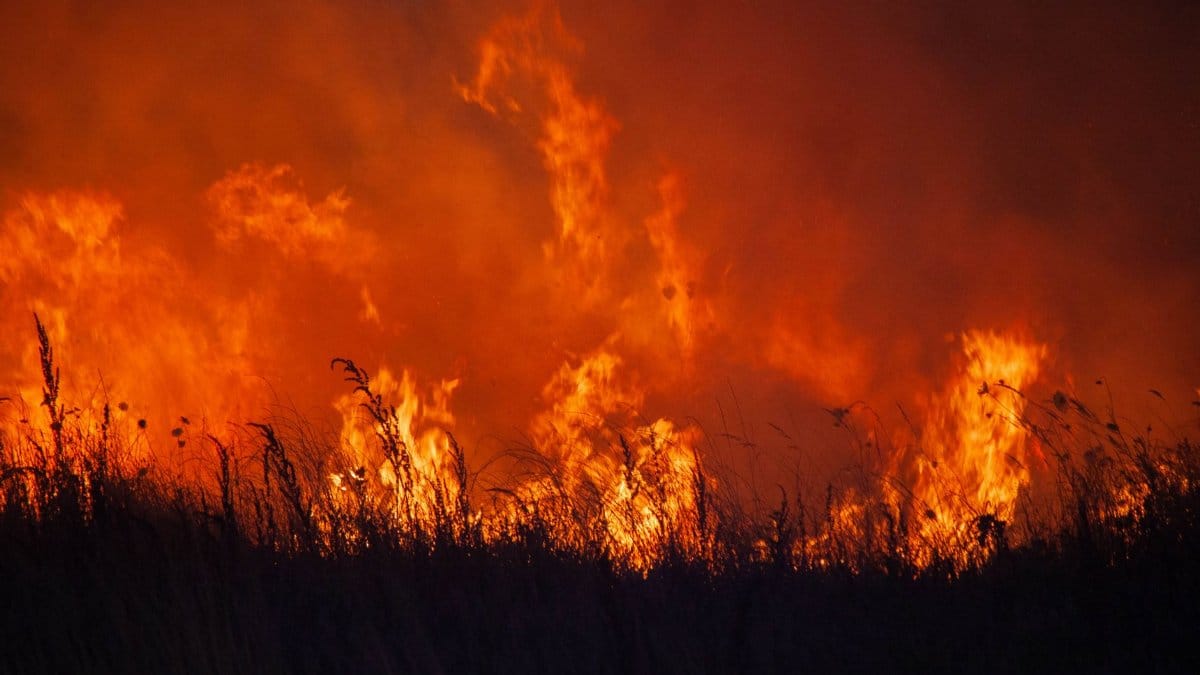
Low humidity levels paired with abundant dry vegetation create conditions where sparks can ignite quickly. Fire agencies monitor vegetation moisture closely and urge residents to clear flammable materials from properties as a precaution.
Public Health Guidance During Peak Heat

Medical experts recommend limiting outdoor activity to early morning or evening hours when possible. Staying hydrated remains essential and individuals should check on neighbors who may lack access to cooling resources.
Forecast Timeline and Expected Duration

Models indicate the warmth will persist through the middle of the week before a gradual shift in wind patterns brings modest relief. Nighttime lows may stay elevated which reduces recovery time for both people and infrastructure.
Impacts on Daily Routines and Local Services

Schools and outdoor events adjust schedules to avoid the hottest portions of the day. Utility providers prepare for increased demand on power grids as air conditioning use rises across neighborhoods.
Comparison to Historical Heat Events
Similar periods in past decades have tested community resilience and led to updates in emergency protocols. Lessons from those experiences inform current responses including expanded cooling center availability.
Advice for Vulnerable Populations

Elderly residents and those with chronic conditions face elevated risks and benefit from regular temperature checks indoors. Community organizations coordinate outreach to ensure support reaches isolated households.
Role of Urban Design in Heat Mitigation
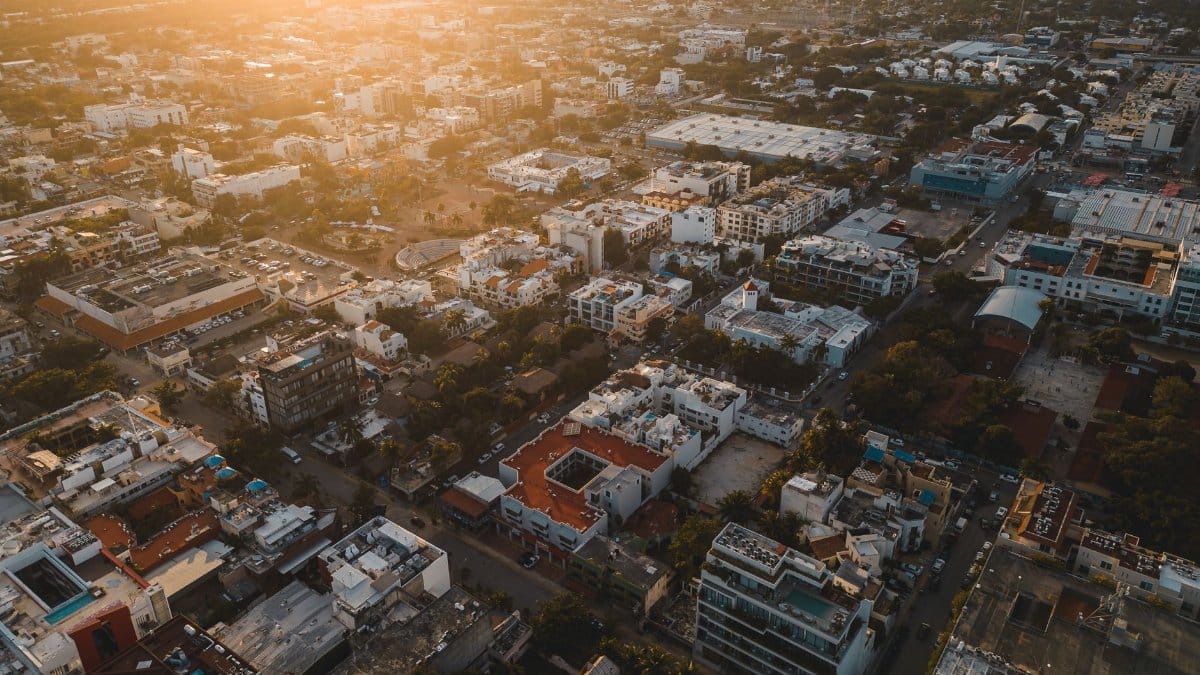
Tree coverage and reflective surfaces in cities can reduce localized warming effects. Planners examine ways to expand such features as long term strategies against recurring warmth.
Preparation Steps for Households

Stocking water supplies and testing backup power options helps families manage unexpected outages. Simple measures like sealing windows during peak hours contribute to maintaining stable indoor environments.
Broader Environmental Context

Shifts in ocean temperatures and atmospheric circulation play parts in shaping these episodes. Ongoing monitoring helps scientists track how such patterns evolve over seasons and years.