
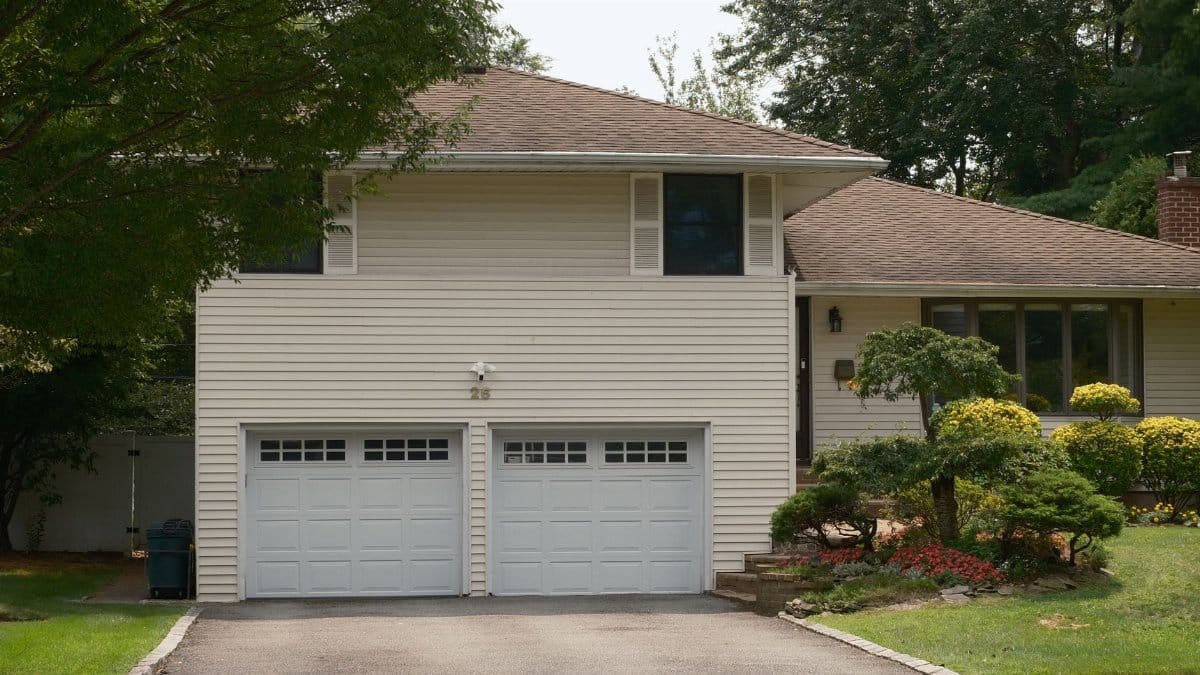
In the heart of a changing neighborhood a modest structure once used for vehicles has drawn attention through a recent real estate newsletter from the Inquirer. This development speaks to broader patterns in South Philadelphia where older properties find new purpose amid shifting demands for living space. The South Philly garage in question stands as one example of how residents adapt available buildings to meet contemporary needs while honoring the areas working class roots. Observers note that such projects often reflect careful planning by local owners who see potential in overlooked corners of the city grid.
Neighborhood Evolution Over Time
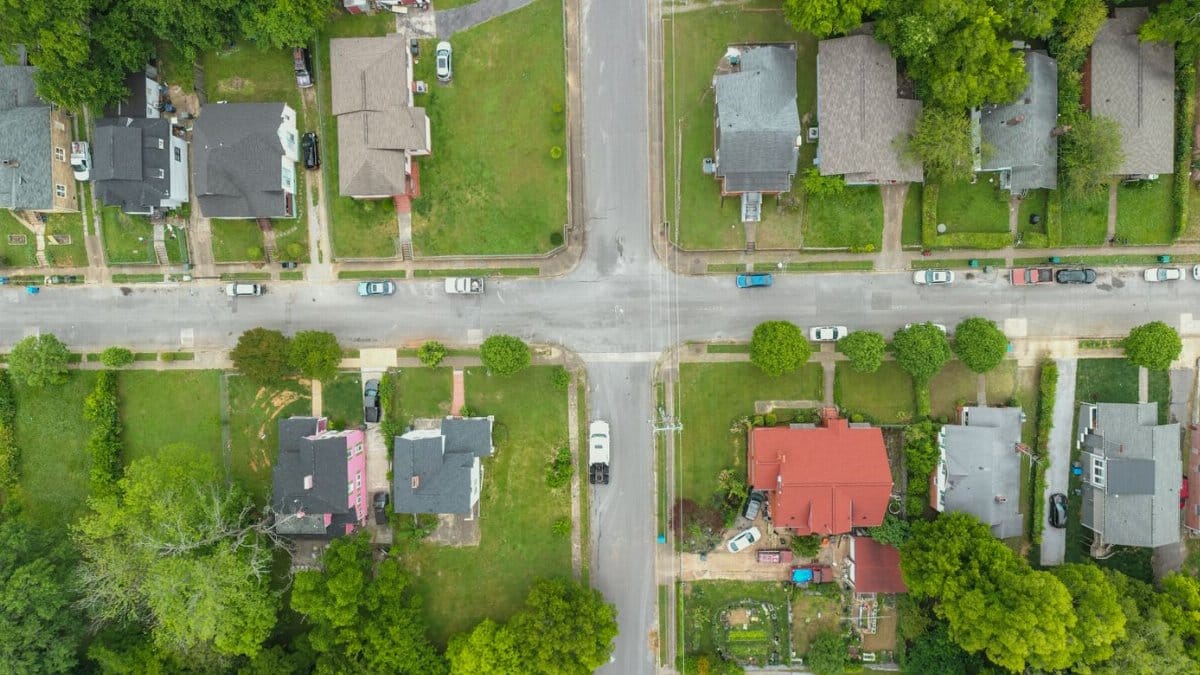
South Philadelphia has long balanced industrial echoes with residential life. Older garages frequently appear in blocks where row homes dominate and space remains tight. Conversion efforts like the one highlighted allow owners to expand living areas without starting from scratch on empty lots. This approach preserves the texture of streets lined with brick facades and corner stores. Residents often describe the process as a way to stay rooted rather than relocate to newer suburbs.
Practical Steps in Property Adaptation
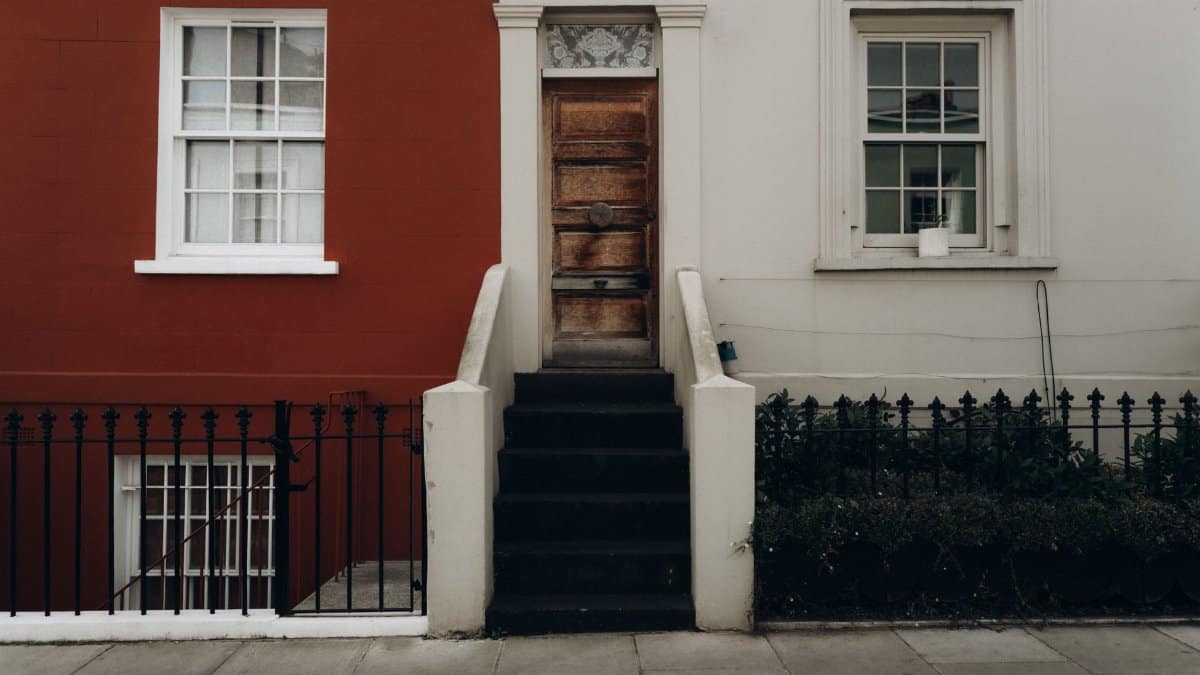
Owners typically begin by assessing structural integrity and local zoning rules. Permits come next followed by work on insulation electrical systems and plumbing if the space will serve as an apartment or studio. The featured project in the newsletter shows how modest investments can yield functional rooms suitable for rental income or family use. Success depends on collaboration with contractors familiar with Philadelphia building codes.
Community Reactions and Input

Neighbors sometimes voice concerns about increased density or parking loss yet many welcome the added vitality from new residents. Public meetings allow discussion of design details that fit the surrounding architecture. In this case the conversion maintained exterior elements that echo the original garage while adding subtle modern touches. Such dialogue helps maintain social ties in tight knit blocks.
Economic Factors at Play

Housing costs continue to climb in desirable city sections prompting creative reuse of existing buildings. The newsletter points to rising interest from buyers seeking affordable entry points. A converted garage can offer lower purchase prices compared with full houses yet still provide independent living quarters. This trend supports local economies by keeping renovation work within the region.
Design Choices That Blend Old and New

Architects involved in similar projects emphasize natural light through larger windows and open floor plans that maximize limited square footage. Materials often include reclaimed wood or brick to connect with the buildings history. The South Philly garage example incorporates these ideas while ensuring energy efficiency through updated windows and insulation. The result feels both familiar and refreshed.
Broader Housing Trends in the City
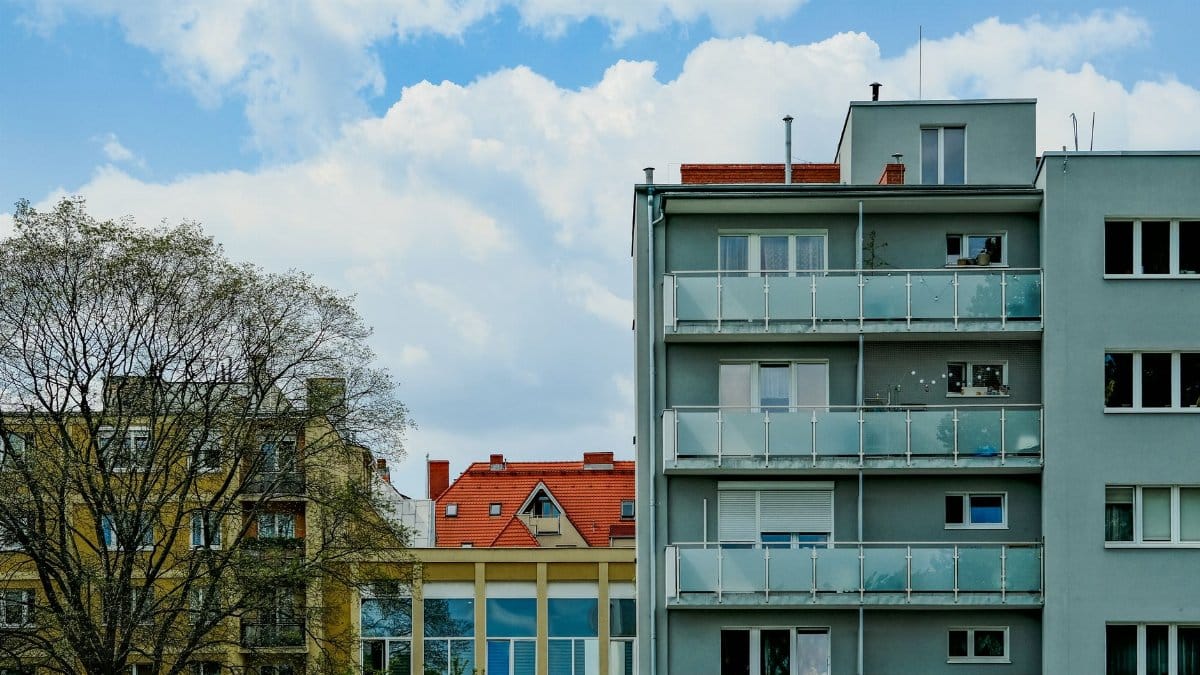
Across Philadelphia adaptive reuse gains traction as land grows scarce. Newsletters from major outlets track these stories to inform readers about opportunities beyond standard listings. The current feature underscores how one property illustrates wider movements toward sustainability and thoughtful growth. Observers expect more such cases as demand holds steady.
Personal Reflections on Urban Living
Walking past converted spaces one notices how they contribute to a sense of continuity. Families who undertake these projects often speak of deeper connections to their surroundings. The effort required fosters appreciation for the neighborhoods layers of history and change. It becomes less about simple expansion and more about stewardship.
Future Possibilities for Similar Sites

Looking ahead planners consider how garage conversions might address needs for accessory dwellings or small business spaces. The Inquirer coverage suggests ongoing interest from both individuals and community groups. With careful execution these adaptations can enhance rather than disrupt the fabric of South Philadelphia streets. Continued attention from real estate observers will likely shape what comes next.