

In the lively evenings along Ocean Drive in Miami Beach where groups gather under palm trees to unwind after long days a quiet transformation is underway. Residents are increasingly choosing moderation as everyday expenses climb and personal wellbeing takes center stage. This movement toward Drinking Less Alcohol reflects broader priorities around financial stability and clearer thinking rather than heavy nights out.
Rising Beverage Expenses Shape Decisions
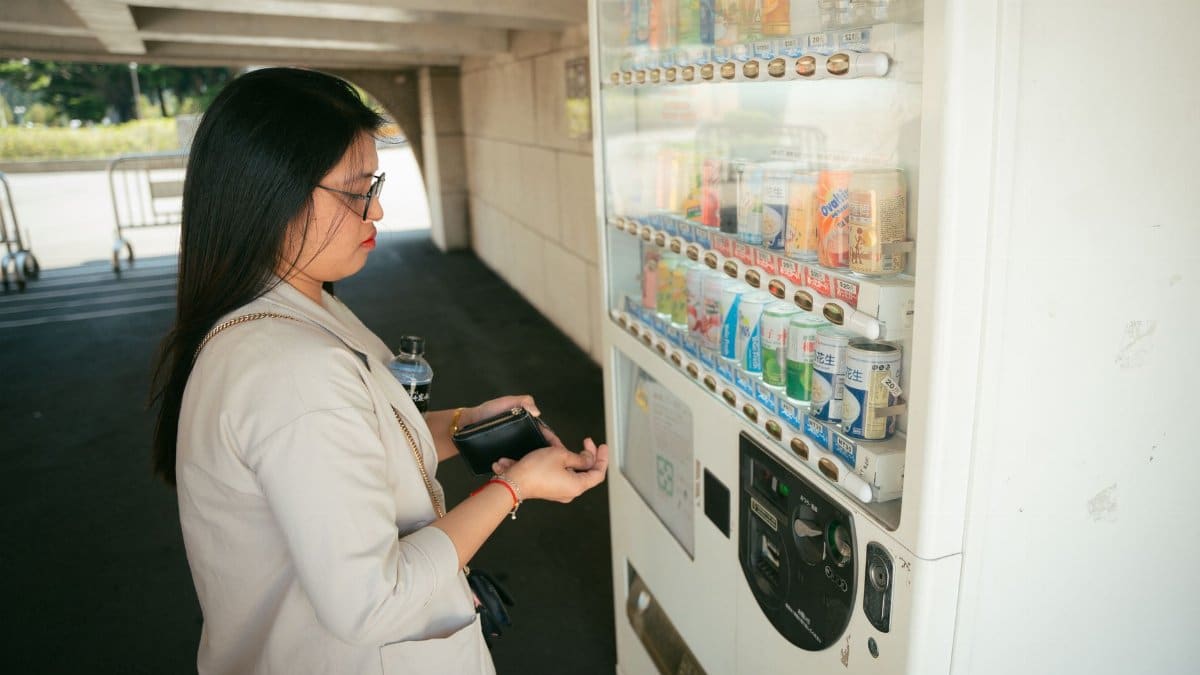
South Florida households face higher prices for spirits and wines at bars and stores alike. Many middle aged professionals report cutting back after noticing monthly tabs exceed previous budgets by wide margins. Local surveys indicate this cost pressure influences choices more than before with people opting for fewer rounds during weekend outings. The result appears in smaller crowds at happy hours across Fort Lauderdale and Boca Raton.
Health Focus Gains Ground Among Locals

Awareness of long term effects from regular consumption spreads through community discussions and physician advice. Individuals describe improved sleep and steady energy levels after reducing intake over several months. Medical experts in the region note rising inquiries about balanced lifestyles that limit alcohol to special occasions only. This emphasis aligns with national trends yet feels particularly pronounced here due to the active outdoor culture.
Restaurants Adapt Drink Menus Quickly

Establishments respond by expanding offerings of creative nonalcoholic beverages that mimic classic flavors. Bartenders experiment with fresh herbs spices and fruit blends to satisfy patrons seeking variety without the effects. Miami Herald reporting highlights how some venues now feature dedicated sections for these options drawing steady interest from diverse age groups. Such adjustments help maintain revenue while meeting evolving preferences.
Social Gatherings Evolve in Tone

Hosts plan events around activities like beach walks or cooking classes instead of centering everything on poured drinks. Conversations flow more freely when participants remain alert throughout the evening. Families appreciate the inclusive atmosphere that welcomes those avoiding alcohol for personal reasons. This adjustment strengthens connections without the next day fatigue that once followed.
Mindfulness Practices Encourage Moderation
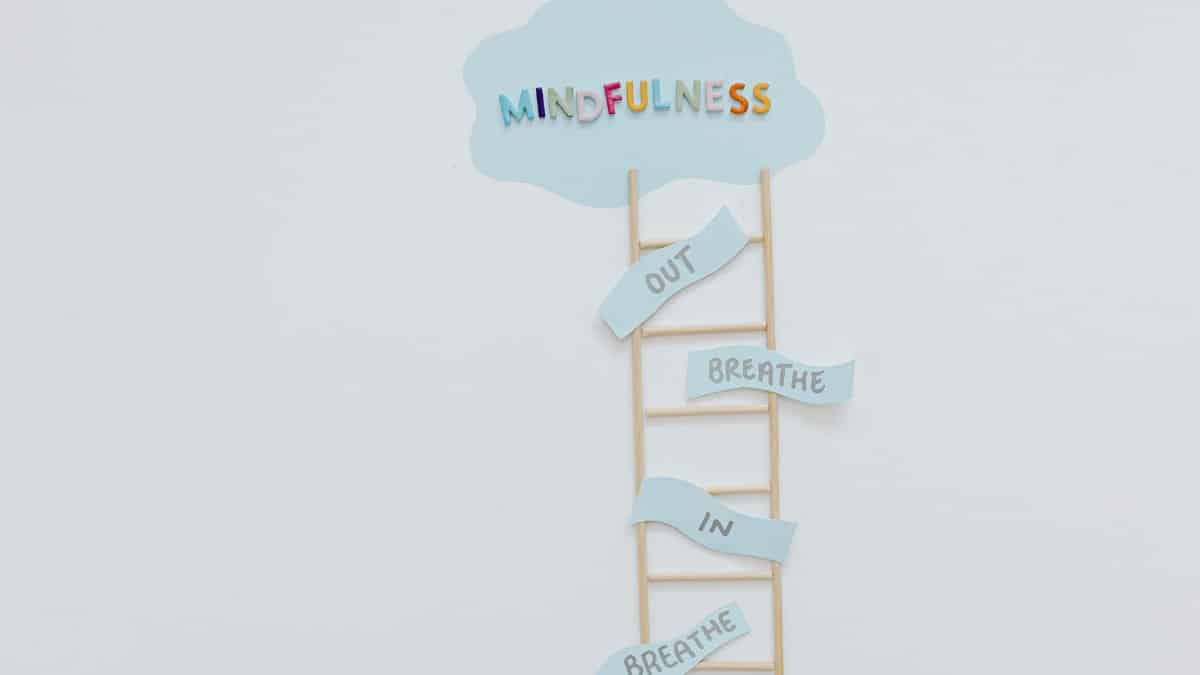
Wellness centers promote reflection techniques that help individuals recognize triggers for overindulgence. Participants learn to savor moments fully rather than relying on external boosts. The spiritual dimension emerges as people connect reduced consumption with greater presence in daily routines and relationships. Local workshops blend these ideas with practical tips tailored to busy professionals.
Work Performance Improves Noticeably

Employers observe sharper focus and fewer absences among staff who moderate intake. Sales teams and service workers in tourism report sustained productivity during peak seasons. Data from regional health networks supports links between consistent habits and career stability over time. The shift contributes to a more resilient workforce in a competitive market.
Community Programs Support New Habits

Support groups and online forums provide spaces for sharing experiences around balanced choices. Events sponsored by health organizations offer guidance without judgment for those exploring change. Participation grows as word spreads through neighborhood networks and workplace wellness initiatives. These resources make the process feel accessible and sustainable for many.
Future Outlook for Regional Trends

Analysts predict continued growth in demand for lighter alternatives as awareness spreads further. Venues that innovate early may lead the market while others follow suit to stay relevant. Broader cultural conversations around intentional living reinforce the movement beyond temporary phases. South Florida stands as an example of adaptation driven by practical realities and thoughtful priorities.