
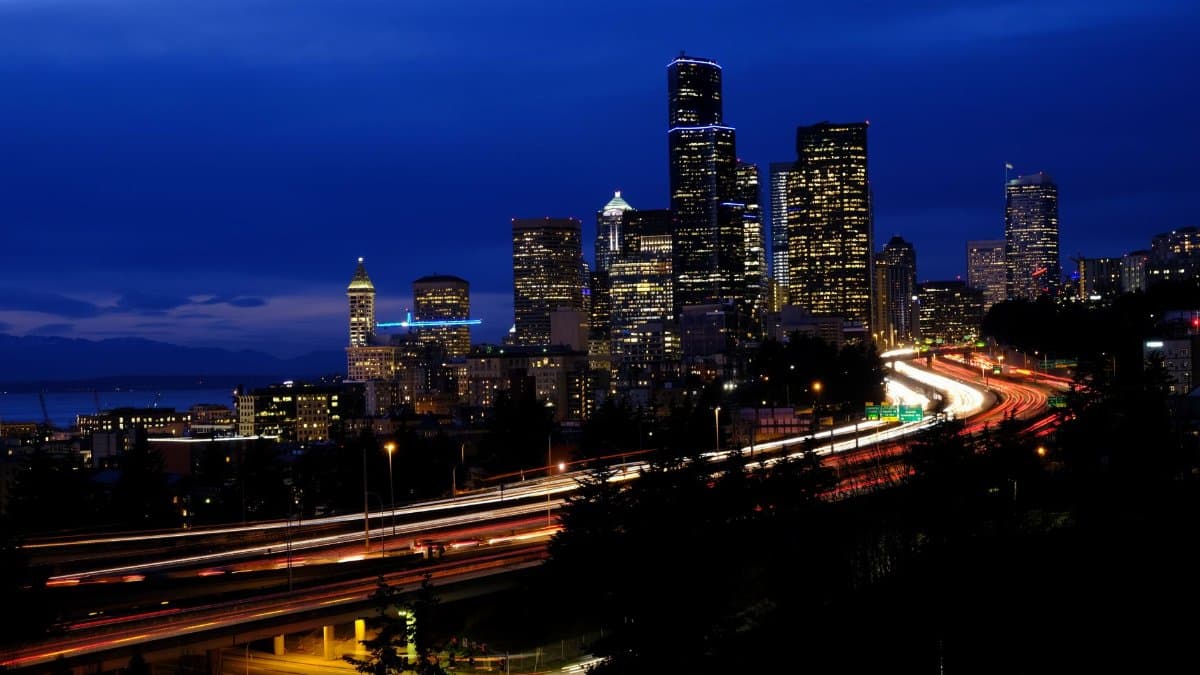
Commuters across the region have watched with anticipation as plans for expanded transit slowly take shape amid growing urban demands. Sound Transit has now shared updates that point to setbacks for the West Seattle light rail, shifting expectations away from the initial target date and raising questions about overall expenses for the line connecting Sodo to West Seattle.
Project Origins and Early Planning Efforts

The concept for this extension emerged from years of discussions about easing congestion in growing neighborhoods. Planners envisioned a route that would link key districts while supporting economic activity along the corridor. Early studies highlighted potential benefits for daily travel times and reduced reliance on personal vehicles in an area known for its hilly terrain and waterfront communities.
Recent Developments from Sound Transit
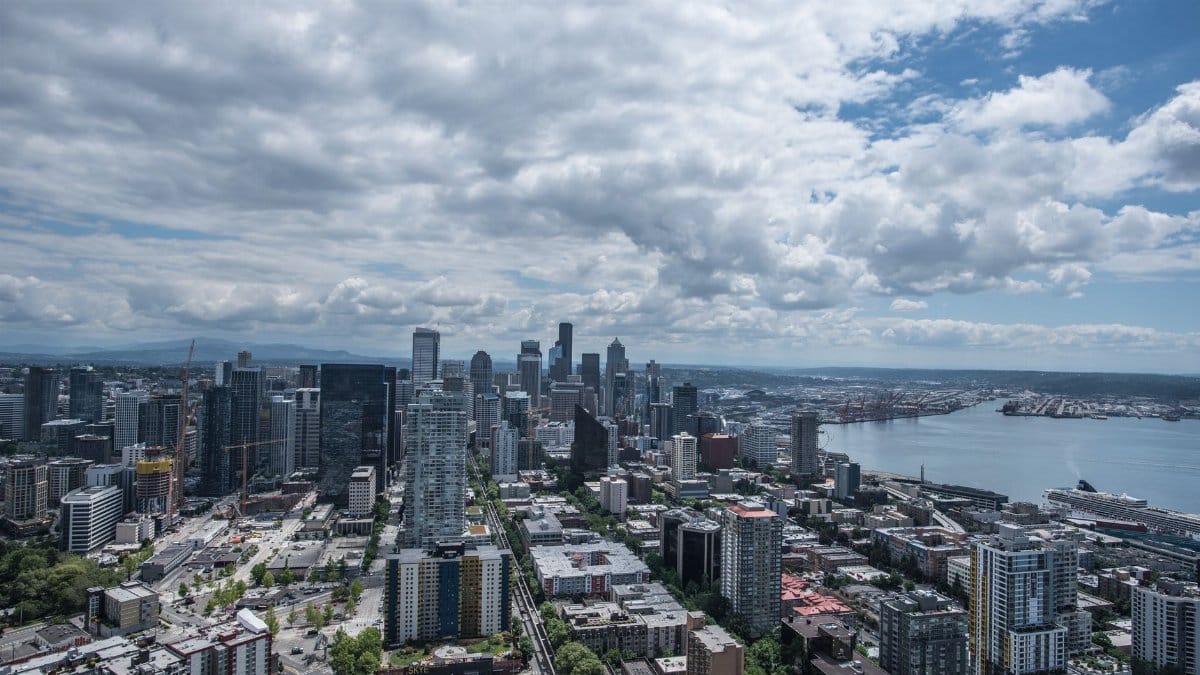
Officials recently outlined adjustments to the schedule and budget after reviewing construction complexities and supply chain issues. These changes reflect broader pressures on large infrastructure initiatives in the Pacific Northwest. The agency emphasized that safety and quality remain priorities even as timelines extend further into the future.
Budget Adjustments and Funding Realities
Rising material costs and labor shortages have contributed to the need for additional resources. Sound Transit continues to explore options for securing extra support through various channels including federal programs and local measures. Such financial strains are common in projects of this scale yet they require careful management to maintain public trust.
Effects on Local Neighborhoods
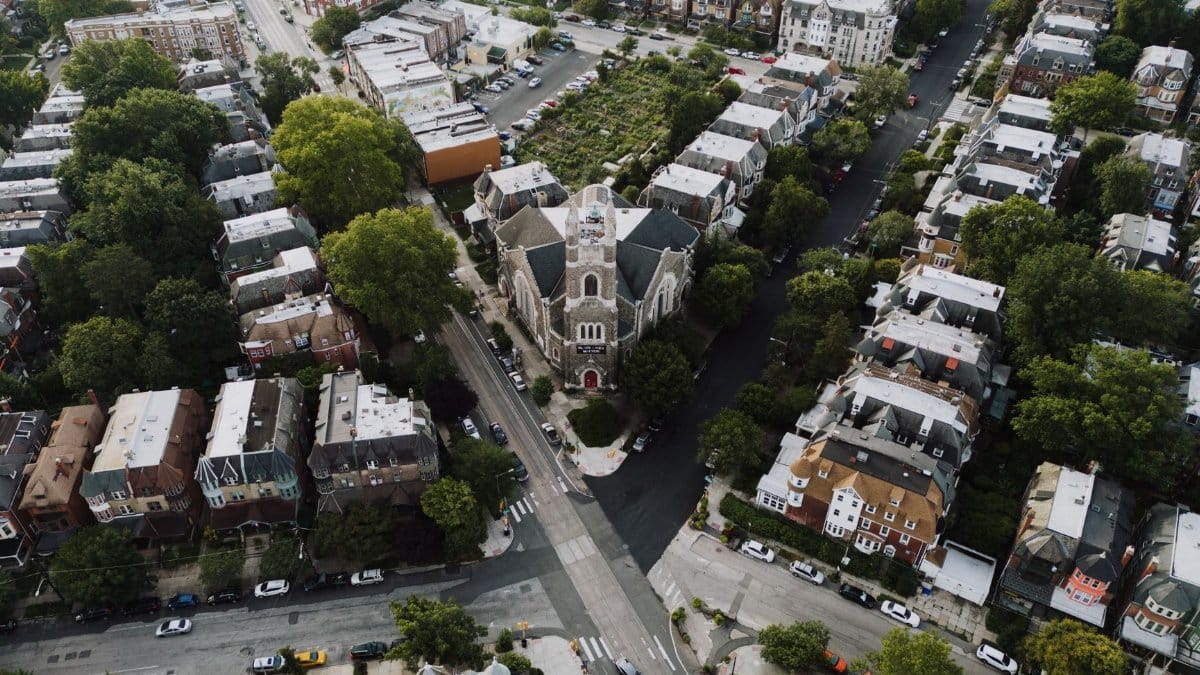
Residents in West Seattle stand to experience shifts in accessibility once the line opens. Some areas may see improved connections to downtown while others could face temporary disruptions during building phases. Community leaders have voiced hopes that the final design will balance growth with preservation of the areas distinctive character.
Regional Comparisons and Lessons Learned

Similar efforts in other cities offer insights into managing delays on major transit builds. Projects elsewhere have adapted by phasing construction or incorporating new technologies to control expenses. Observers note that steady communication with stakeholders often helps navigate the inevitable hurdles that arise.
Environmental Aspects of the Route

Planners have examined how the line might influence local ecosystems and carbon emissions over time. Efforts include evaluations of green spaces along the path and strategies to minimize impacts during excavation and installation. Sustainable practices form a core part of the overall vision despite the added layers of review they entail.
Community Voices and Feedback Sessions
Public meetings have drawn input from a wide range of voices including business owners and families who rely on existing bus services. Many express a desire for reliable alternatives that fit varied schedules and needs. These exchanges help shape refinements to station locations and service frequencies.
Looking Ahead to Project Completion
While challenges persist the agency remains committed to delivering a functional addition to the network. Ongoing assessments will guide next steps with an eye toward eventual operation in the middle of the 2030s or beyond. The West Seattle light rail continues to represent a significant step in regional connectivity even as details evolve.