
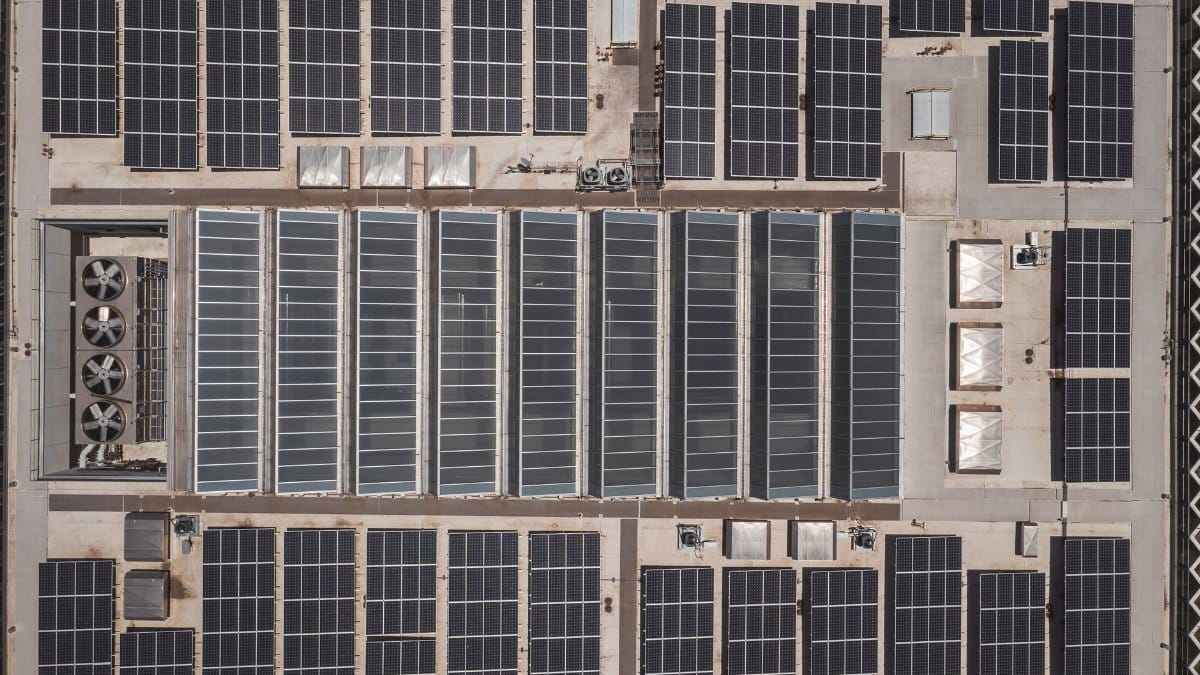
In the sun drenched neighborhoods of Phoenix a growing number of residents have turned to collective buying to ease monthly utility burdens. One initiative stands out for its steady results in a state where summer electricity demands can strain household budgets. Phoenix Solar Co-op Arizona Energy Savings has emerged as a practical model that connects homeowners with discounted rooftop installations through coordinated group purchases. This approach builds on longstanding community efforts to expand access to renewable power without requiring individual negotiations with installers. Over recent years hundreds of properties have joined similar programs yielding measurable reductions in energy expenses while supporting local installation teams.
Origins of Coordinated Solar Purchasing

Community driven solar programs trace their roots to national networks that began organizing bulk deals more than a decade ago. In Arizona the model gained traction after initial pilot projects demonstrated reliable participation from both urban and suburban households. Organizers from Solar United Neighbors adapted the framework to local conditions including intense heat and variable rate structures from utilities.
Group Negotiation Process Explained

Participants register interest through open enrollment periods that allow organizers to aggregate demand. Once a sufficient number sign up the group solicits bids from multiple installation firms. This volume creates leverage for lower per unit pricing on equipment and labor. Contracts include performance guarantees and maintenance provisions that individual buyers might struggle to secure alone.
Role of Statewide Outreach
Efforts extend beyond Phoenix into smaller cities and rural zones where awareness of incentives remains uneven. Workshops and door to door canvassing help explain financing options such as federal tax credits paired with utility rebates. These steps have broadened enrollment among middle income families who previously viewed solar as out of reach.
Documented Reductions in Power Bills

Analysis of early cohorts shows average monthly savings ranging from forty to seventy dollars depending on system size and consumption patterns. Over a twenty five year panel lifespan cumulative benefits often exceed initial outlays by a wide margin. Phoenix Solar Co-op Arizona Energy Savings tracks these figures through participant surveys that update annually.
Workforce Expansion in Installation Trades

Each completed project supports several weeks of employment for crews handling mounting electrical integration and inspections. Since 2019 the programs have contributed to thousands of labor hours across Arizona. Training partnerships with community colleges prepare workers for certifications that improve job retention in a growing sector.
Navigating Recent Market Fluctuations

Supply chain disruptions and shifting tariff policies have raised equipment costs industry wide. Co op organizers responded by locking in supplier agreements earlier in planning cycles and diversifying panel sources. These adjustments preserved discount levels for enrolled groups despite broader price pressures reported in trade publications.
Air Quality and Land Use Benefits

Widespread rooftop adoption reduces reliance on fossil fuel generation during peak afternoon hours. Regional air monitoring data links incremental solar growth to modest declines in smog forming emissions. Because panels occupy existing structures they avoid the habitat disruption sometimes associated with ground mounted arrays in desert areas.
Stories from Recent Enrollees

A Glendale family reported cutting its summer cooling expenses by more than half after panels went online last year. Business owners in Tempe noted steadier operating costs that aided budgeting for other improvements. Such accounts appear consistently in follow up interviews conducted by program staff.
Regulatory Environment and Incentives

Arizona statutes permit net metering arrangements that credit excess generation at retail rates for most residential systems. Local governments have streamlined permitting timelines in response to rising application volumes. These policies complement federal investment tax credits that lower effective project costs for qualifying participants.
Advances in Panel Durability
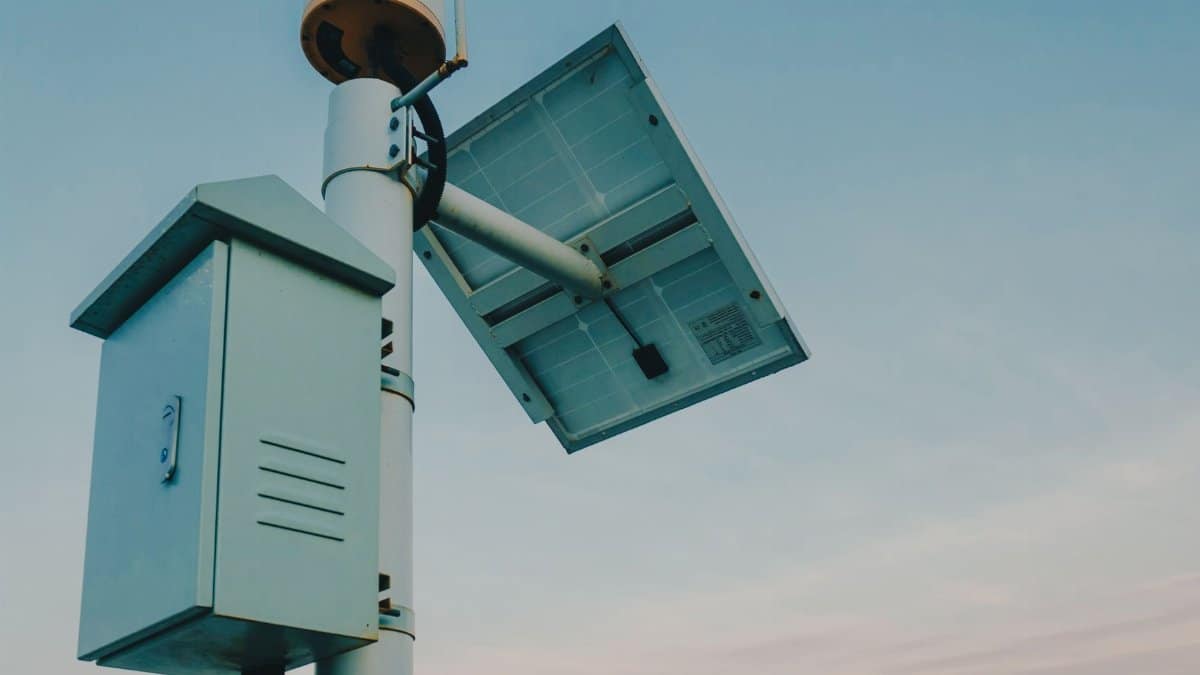
Newer modules withstand extreme temperature swings common to the Sonoran Desert while maintaining output ratings over decades. Efficiency gains allow smaller arrays to meet a larger share of household needs. Manufacturers continue to refine coatings that limit dust accumulation and simplify cleaning routines.
Outlook for Continued Expansion

Demand for group solar programs shows no sign of slowing as electricity rates climb and technology prices stabilize. Phoenix Solar Co-op Arizona Energy Savings plans additional enrollment rounds that target underserved zip codes. Observers expect the model to influence similar initiatives in neighboring states facing comparable climate and grid challenges.