
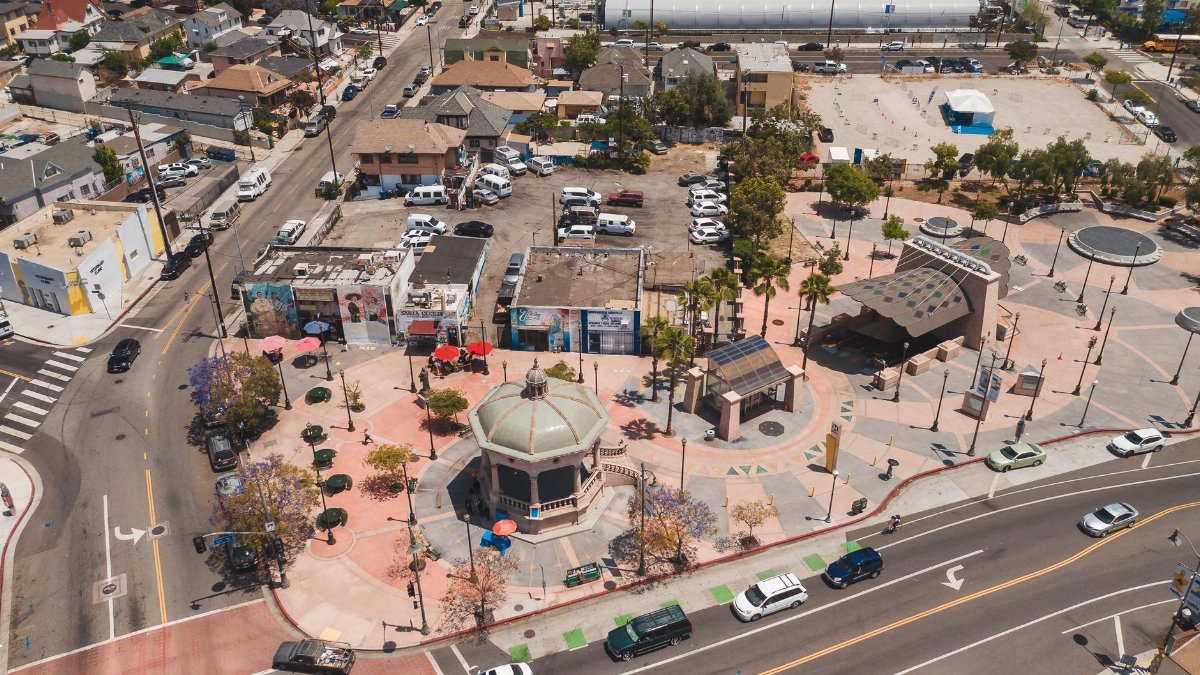
Residents across Los Angeles awoke one morning to find their skies turned an unnatural gray and their lungs filled with an unwelcome sting from a warehouse blaze that began in Boyle Heights. The resulting Boyle Heights Smoke Impact reached far beyond its origin point leaving families uncertain about the safety of their air and the responsiveness of local authorities. Many described a sense of isolation as the haze lingered for days prompting questions about preparedness in a city prone to such events.
Spread of the Haze Across Urban Zones
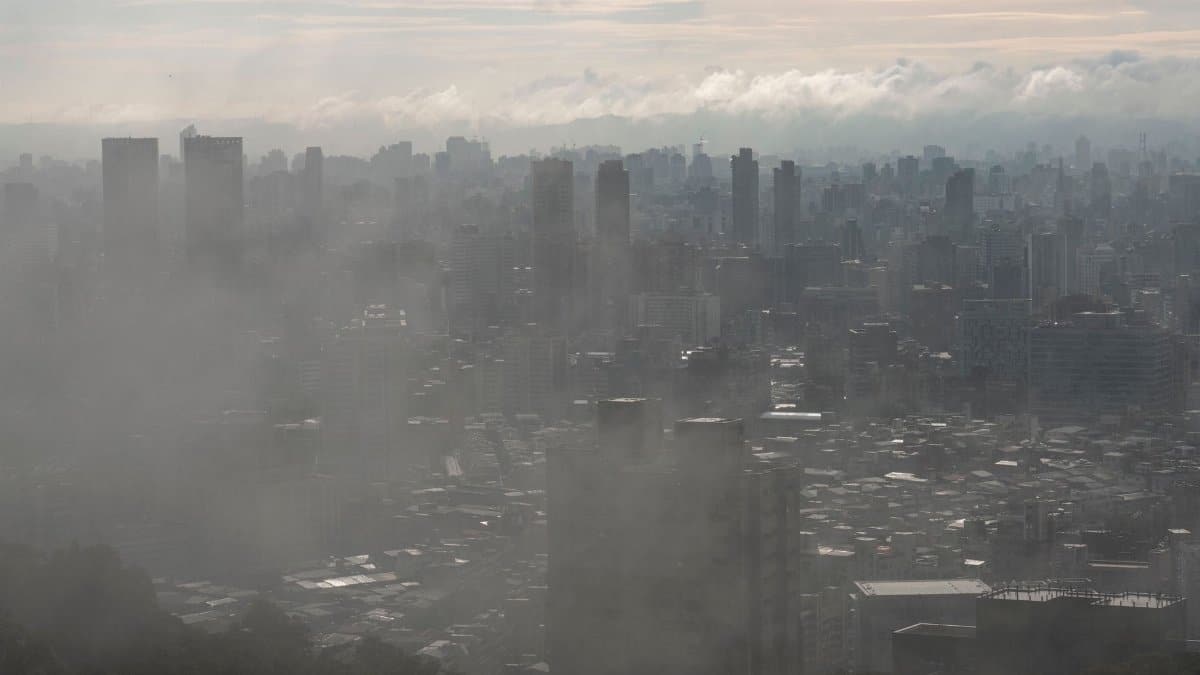
The fire originated in a large storage facility yet its smoke traveled through wind patterns that carried particles into neighborhoods many miles away. Families in areas such as Echo Park and Silver Lake reported similar symptoms of irritation and reduced visibility during morning commutes. Air monitoring stations recorded elevated levels of fine particulates that exceeded typical daily averages for extended periods.
Health Concerns Among Vulnerable Groups

Children and older adults faced particular difficulties as the drifting smoke exacerbated existing respiratory conditions. Local clinics noted an uptick in visits for coughing and eye discomfort though no widespread outbreak of severe illness emerged. Experts emphasized the value of staying indoors with windows sealed during peak exposure times while community centers opened as temporary clean air shelters.
Business Disruptions in Affected Districts
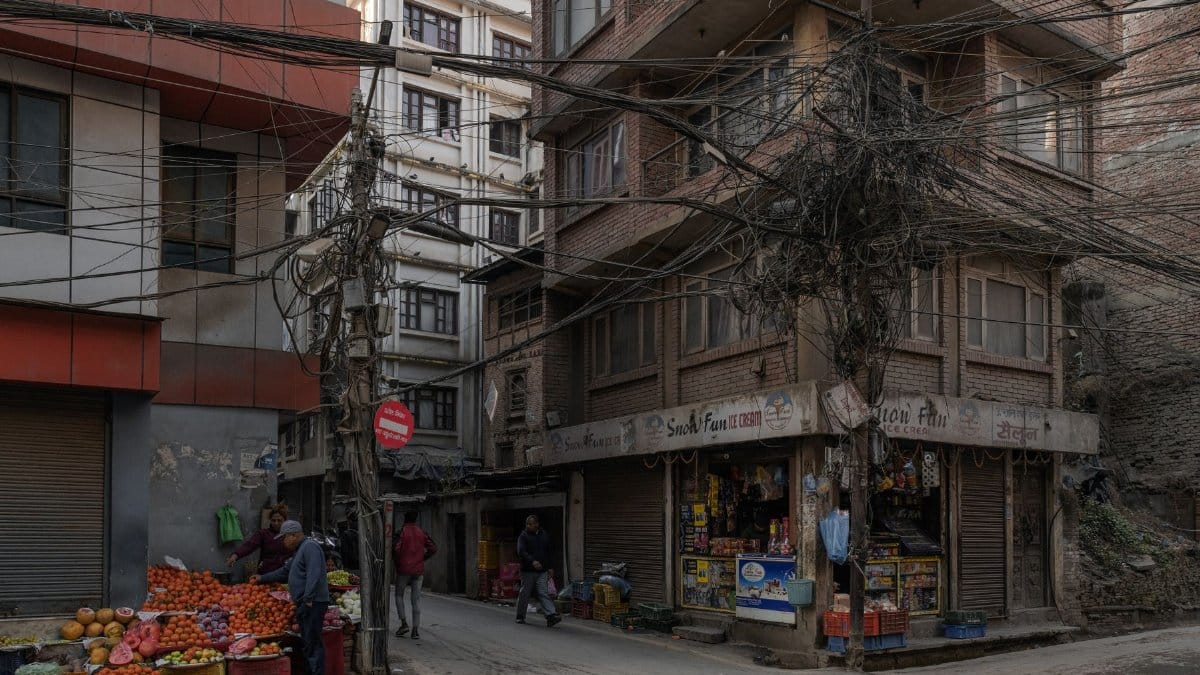
Shop owners described a sharp drop in foot traffic as potential customers avoided outdoor errands amid the poor conditions. Restaurants and markets reliant on fresh air circulation adjusted operations by closing patios and relying more on delivery services. The economic ripple extended to delivery drivers who navigated reduced visibility on major routes leading to delayed shipments and lost revenue.
Community Voices Expressing Isolation
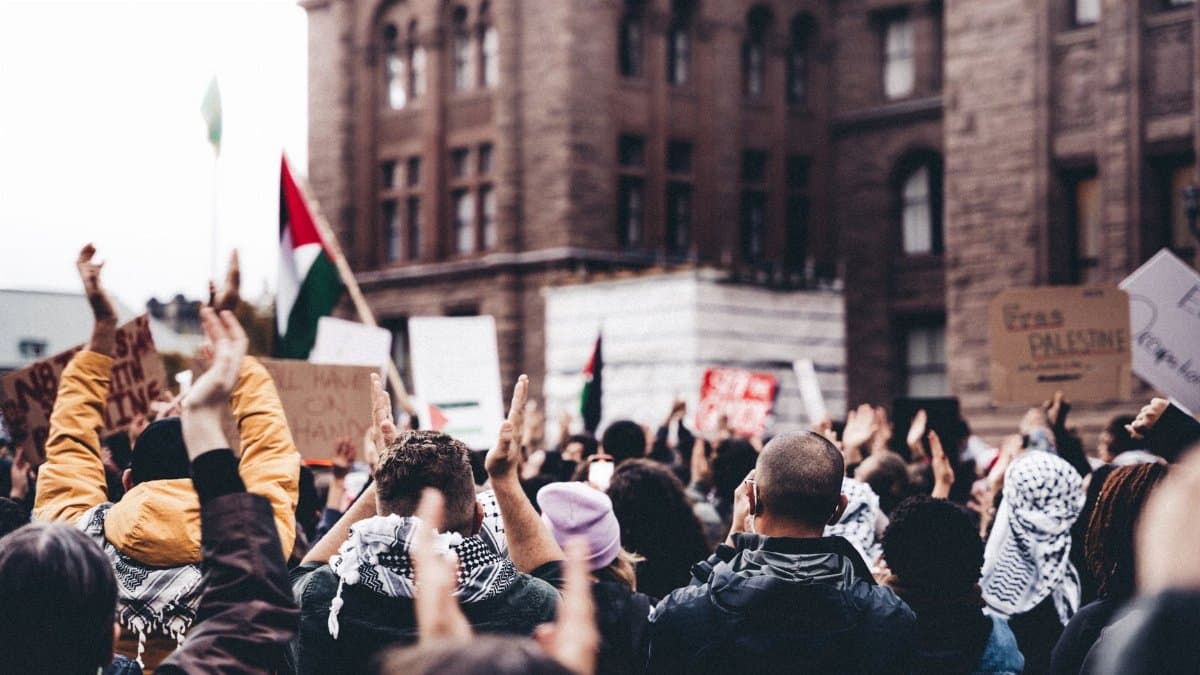
Longtime residents voiced frustration over what they perceived as slow official updates and limited door to door outreach. One grandmother recalled gathering her grandchildren inside and relying on social media for real time alerts rather than formal channels. Such accounts highlighted a broader feeling that certain neighborhoods receive less attention during crises compared with more affluent sections of the city.
Official Response and Resource Allocation

City agencies deployed air quality teams to collect data and issued public advisories through standard media outlets. Fire officials focused on containing the original blaze while environmental regulators monitored secondary effects such as potential water runoff from suppression efforts. Coordination with state partners allowed for additional monitoring equipment though some residents questioned whether the scale matched the geographic reach of the smoke.
Long Term Environmental Considerations

Lingering questions remain about soil and water quality near the fire site as investigators assess possible chemical residues from stored materials. Advocacy groups called for more thorough testing protocols in future incidents to prevent unseen contamination from affecting local ecosystems. The episode underscored the interconnected nature of urban fires and regional air sheds that do not respect neighborhood boundaries.
Lessons for Future Preparedness

Analysts suggested that improved early warning systems tied to weather forecasts could help communities take protective steps sooner. Investments in public education about filtration masks and home sealing techniques might reduce health burdens during similar episodes. The original source material from the Los Angeles Times provides further context on how the event unfolded and its immediate aftermath at https://www.latimes.com/california/story/2026-06-24/warehouse-fire-disrupts-lives-businesses-in-los-angeles.
Spiritual Dimensions of Collective Resilience

In the midst of physical challenges many faith communities organized gatherings focused on shared endurance and mutual support. Prayer vigils and meditation sessions offered spaces for reflection on human vulnerability and the need for stronger communal bonds. These efforts aligned with the category of spiritual trends by showing how adversity can prompt deeper connections among diverse populations facing the same atmospheric threat.