

Many people discover that amid constant demands and unexpected pressures their own breath offers an immediate path to steadier ground. In an age when quick fixes dominate conversations about wellness the idea of slowing respiration to restore balance has drawn fresh attention from both scientists and everyday readers. Slow Breathing Benefits emerge clearly when individuals practice deliberate pacing that engages the parasympathetic pathways and eases tension throughout the body. Observations from clinics and workplaces alike suggest this simple adjustment can shift mental states within minutes without equipment or expense.
Physiological Pathways Activated by Paced Respiration

Controlled inhalation and exhalation directly influence the vagus nerve which serves as a primary channel between brain and organs. When the pace drops below ten breaths per minute heart rate variability tends to rise indicating greater adaptability in the autonomic system. Researchers note that carbon dioxide levels stabilize during these sessions which in turn supports clearer cognitive function and reduced perception of threat.
Studies Tracking Rapid Shifts in Stress Markers

A trial conducted at the University of Pennsylvania measured cortisol samples before and after eight minute sessions of slowed breathing. Participants showed measurable declines in the hormone alongside self reports of lowered agitation. The full report appears at https://www.ncbi.nlm.nih.gov/pmc/articles/PMC6137615/ and underscores how brief daily practice accumulates measurable change over weeks.
Accessible Methods Suitable for Varied Schedules

One approach begins with a four second inhale followed by a six second exhale repeated for several cycles. Another invites counting silently to five on each phase while seated comfortably at a desk or in transit. These patterns require no special setting yet they interrupt cycles of shallow chest breathing that often accompany hurried routines.
Support for Individuals Managing Persistent Worry

Clinicians working with patients who experience ongoing unease have incorporated paced respiration into standard care. Over time many report fewer intrusive thoughts and an improved ability to return focus to tasks at hand. The technique serves as a portable tool that can be deployed discreetly during meetings or while commuting.
Cardiovascular Adjustments Observed in Midlife Adults
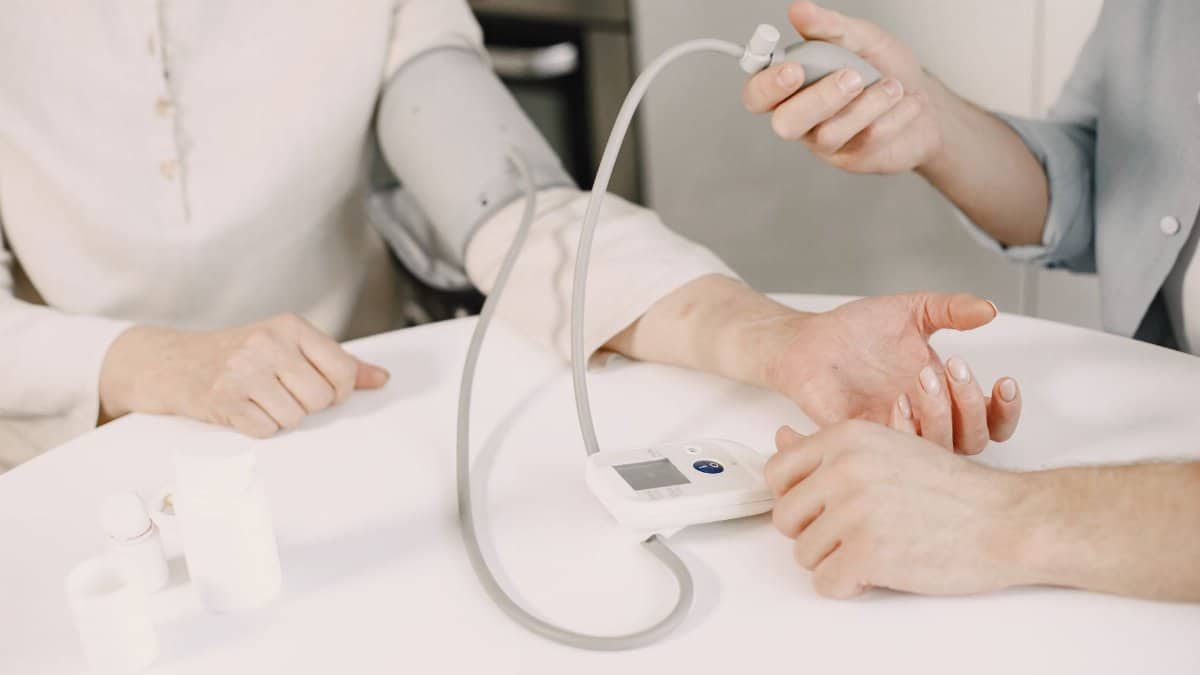
Adults between forty and sixty years old who practiced slowed breathing for ten minutes each morning displayed modest yet consistent reductions in resting blood pressure across a twelve week period. Such shifts align with broader efforts to protect arterial health without additional medication in cases where lifestyle adjustments suffice.
Influence on Sleep Onset and Continuity
Evening sessions appear to prepare the body for rest by lowering core temperature and quieting mental chatter. Individuals who adopted a brief routine before bedtime described fewer awakenings and a greater sense of restoration upon rising. Sleep specialists view this habit as complementary to established hygiene practices rather than a replacement.
Incorporation into Professional and Family Settings

Teachers have introduced short breathing intervals between lessons to help students reset attention. Likewise parents report using the method during tense household moments to model calm responses. The shared activity can strengthen group cohesion while delivering individual physiological relief.
Recognizing Boundaries of This Approach

While beneficial for many the practice does not address underlying medical conditions that require professional diagnosis. Those with respiratory disorders should consult physicians before altering breathing patterns. Moderation remains essential so sessions expand gradually rather than through abrupt intensity.
Comparisons with Movement Based Relaxation Options
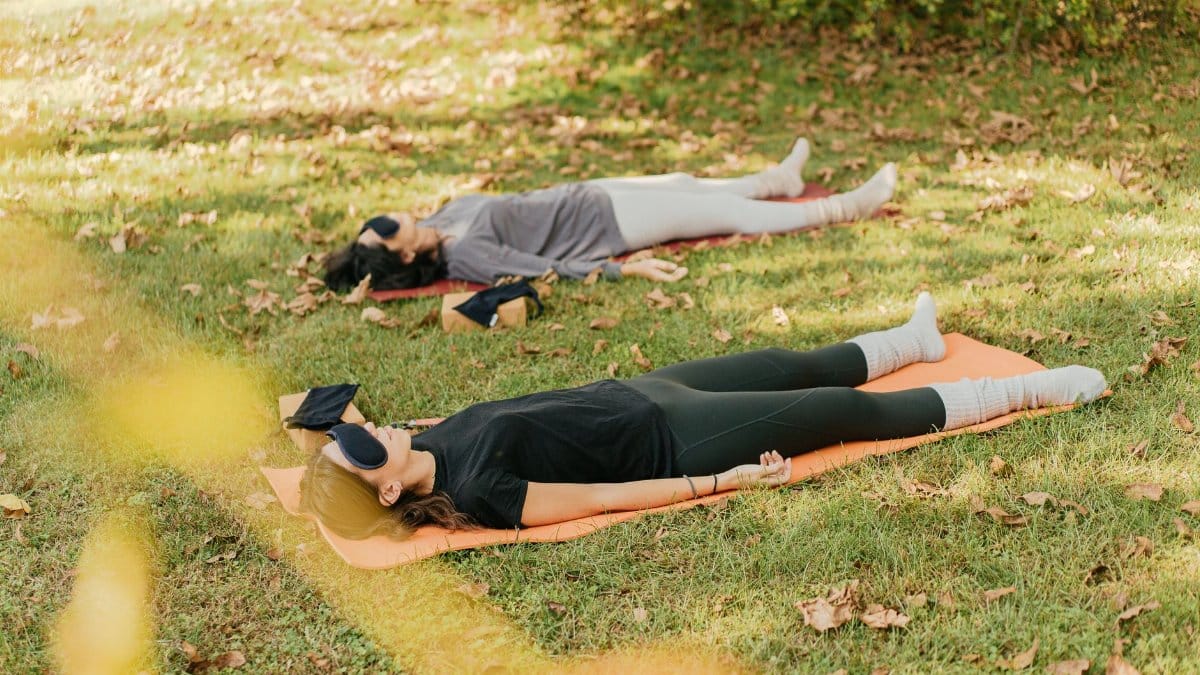
Unlike walking or stretching routines slowed breathing demands minimal space and can occur while seated or reclined. It therefore complements physical activity by offering recovery intervals that further support recovery of both mind and musculature. Practitioners often combine the two for layered effects.
Observations on Sustained Use Over Months
Longer term adherents describe an increased awareness of bodily signals that prompt earlier intervention during rising stress. Journals kept by participants in community programs reveal patterns of improved mood stability and reduced reliance on external prompts once the habit becomes automatic. Continued study will clarify how these trends hold across diverse populations.