
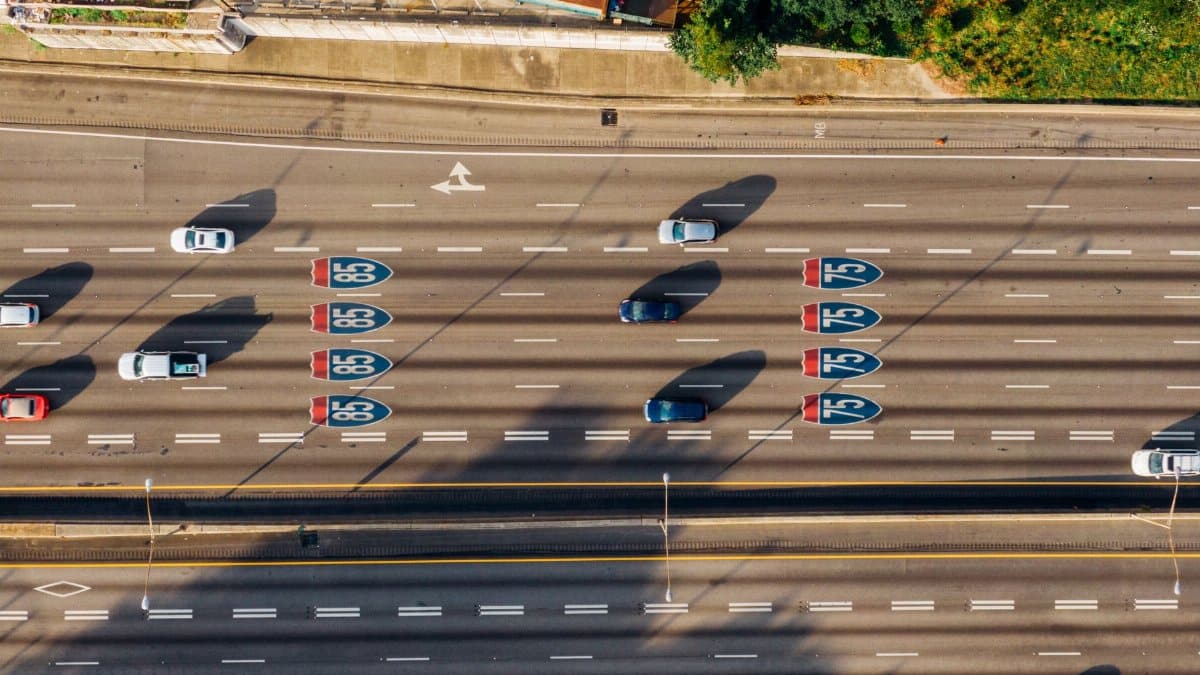
In recent years San Francisco has seen intense debates over how to balance open spaces with daily transportation needs. Residents along the western edge of the city have watched as a stretch of road transformed into a weekend gathering spot now faces a formal vote on its future use. Great Highway Proposition G asks voters to decide whether cars should return on weekdays while the area stays closed on weekends for public enjoyment at Sunset Dunes.
Background of the Coastal Route
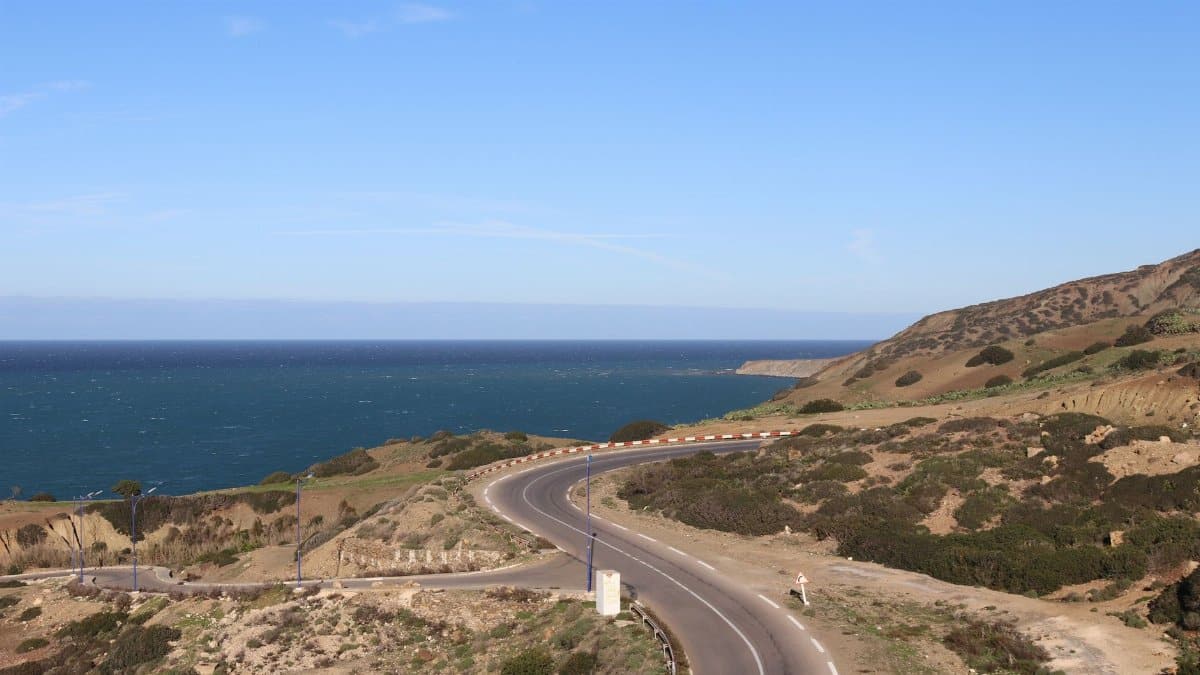
The Upper Great Highway has long served as a scenic link between neighborhoods and the Pacific shoreline. After pandemic era restrictions limited vehicle access the space drew large crowds for walking and cycling. Supporters of the current setup praise cleaner air and safer conditions for families. Opponents point to longer commutes and limited options for those who rely on the direct path.
Details of the Proposed Measure

Great Highway Proposition G would reopen the road to cars from Monday through Friday. Weekends would remain reserved for pedestrians and cyclists under the Sunset Dunes park designation. City officials would install new signage and barriers to manage the schedule. Enforcement would fall to existing parking control staff rather than new hires.
Arguments from Local Drivers

Many commuters who travel between the Sunset and Richmond districts say the closure added fifteen to twenty minutes to their morning trips. Small business owners near the route claim fewer customers arrive because of the detour. They argue that weekday access would restore convenience without eliminating the weekend park option.
Perspectives from Park Advocates
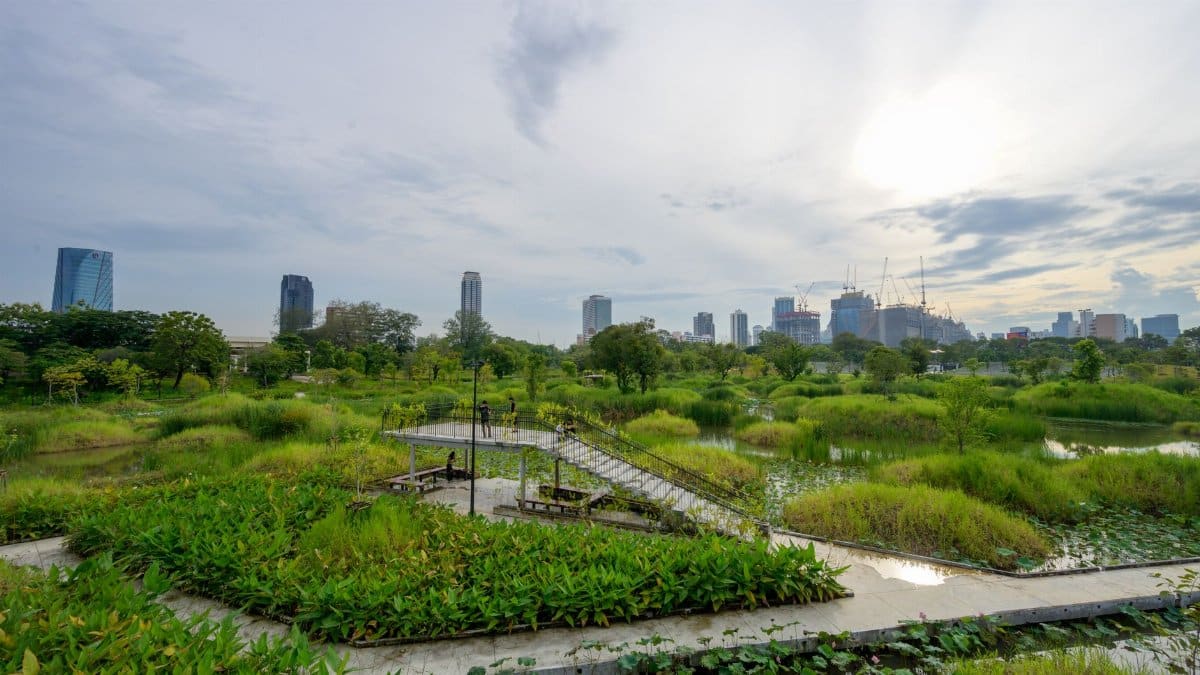
Groups that favor keeping the full closure note that weekend crowds have created a reliable outdoor venue in a dense city. Studies from other coastal cities show increased physical activity when car free zones expand. These advocates worry that weekday traffic would bring noise and exhaust back into an area that has seen measurable improvements in air quality.
Environmental Considerations
Air monitoring data collected since the initial closure shows lower levels of certain pollutants along the corridor on car free days. Ecologists note that reduced vehicle volume allows native plants in nearby dunes to recover from decades of disturbance. The measure would require new studies to track any reversal of those gains if traffic resumes part time.
Impact on Nearby Neighborhoods
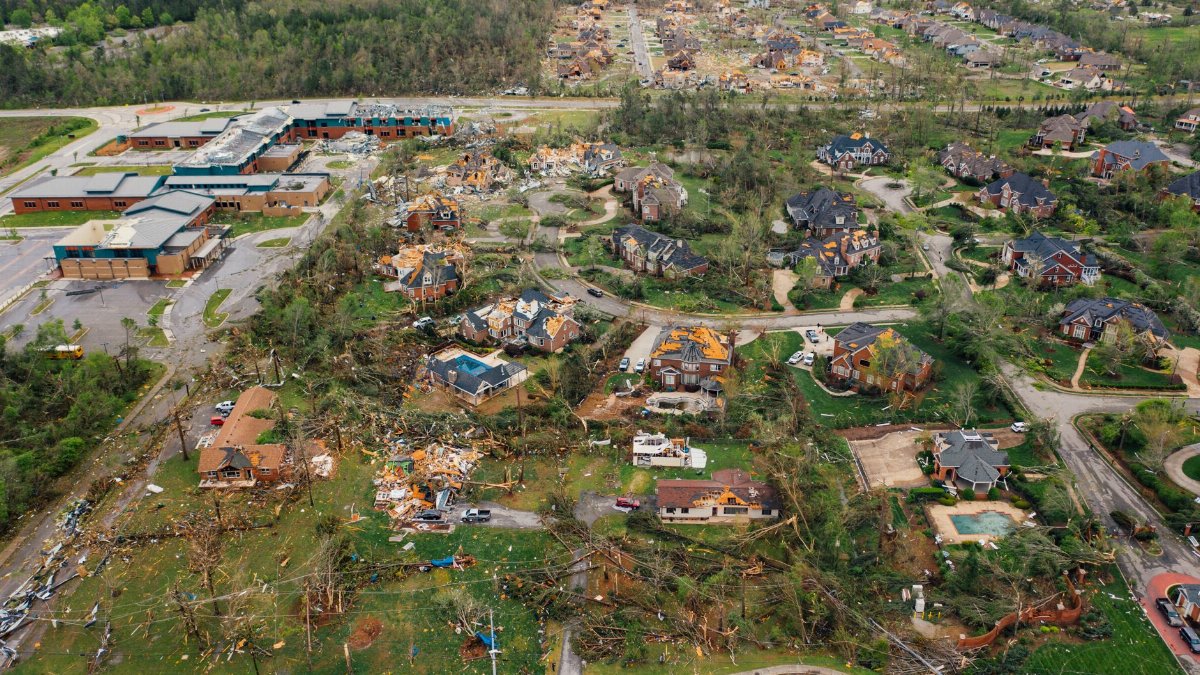
Streets parallel to the highway already absorb overflow traffic during peak hours. Residents there describe increased speeding and difficulty crossing on foot. If Great Highway Proposition G passes officials plan to add traffic calming features such as raised crosswalks on those side streets.
Cost Estimates and City Budget
Implementation would involve modest spending on signs and movable barriers according to preliminary city reports. Maintenance of the park section on weekends would continue under current park department funding. No new taxes are proposed in the measure itself.
Voter Outreach Efforts

Campaigns on both sides have focused on door to door canvassing and local forums. Mailers highlight either restored mobility or preserved green space depending on the sender. Turnout among coastal precincts is expected to decide the narrow margin.
Comparison with Other Cities
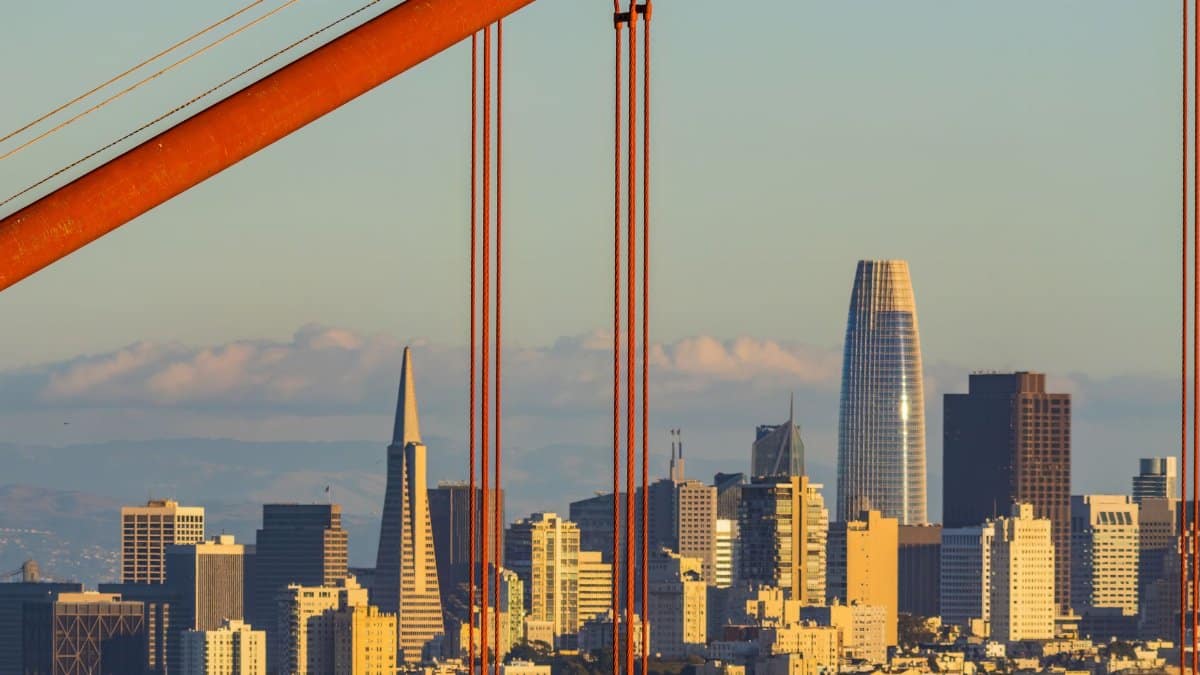
Similar experiments in places like Los Angeles and Portland show mixed results after partial reopenings. Some routes returned to full car use while others settled into scheduled access plans. San Francisco observers will watch for lessons that could apply here if the measure passes.
Future of Sunset Dunes
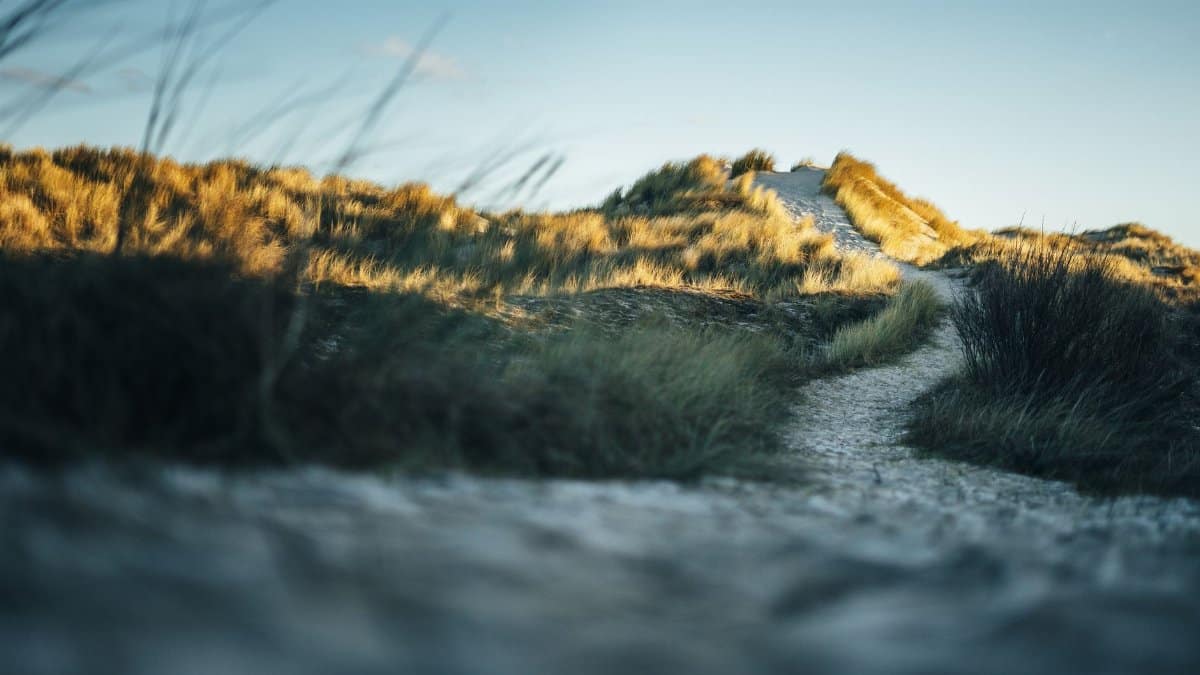
Regardless of the vote outcome the park space created in recent years would continue on weekends. Planners have proposed additional native plantings and seating areas to strengthen its role as a community hub. Long term maintenance remains a shared priority for city agencies.