
On a weeknight in a county commission chamber, the budget hearing runs long and the coffee goes cold. Deputies stand along the back wall while homeowners wait for a turn at the microphone. The same question keeps returning in different clothes: if the state lifts more of the tax burden off primary residences, who fills the hole. Amendment 3 sheriffs split has turned that dry fiscal argument into a public fight, with a statewide law enforcement group warning of thinner patrols and the sheriff in Miami Dade, along with Governor Ron DeSantis, arguing that relief for homeowners need not mean weaker streets.
A homestead change with a wide blast radius

Florida already shields a portion of a primary home from property tax. The plan behind Amendment 3 would raise that shield, shrinking the taxable value of homesteads and, with it, the revenue that counties, cities, and special districts collect from those parcels. Supporters describe the change as a straightforward correction after years of rising assessments. Critics describe it as a constitutional lock that local boards cannot easily unwind when costs rise.
Property tax is not a single pot. School boards, hospital districts, water managers, and sheriff offices all draw from overlapping rolls. A larger exemption does not erase a bill. It shifts who pays a larger share of what remains, often toward commercial property, rental housing, and second homes. That shift is the quiet engine of the debate, even when the speeches stay on kitchen table relief.
Why many sheriffs treat the cut as a staffing risk
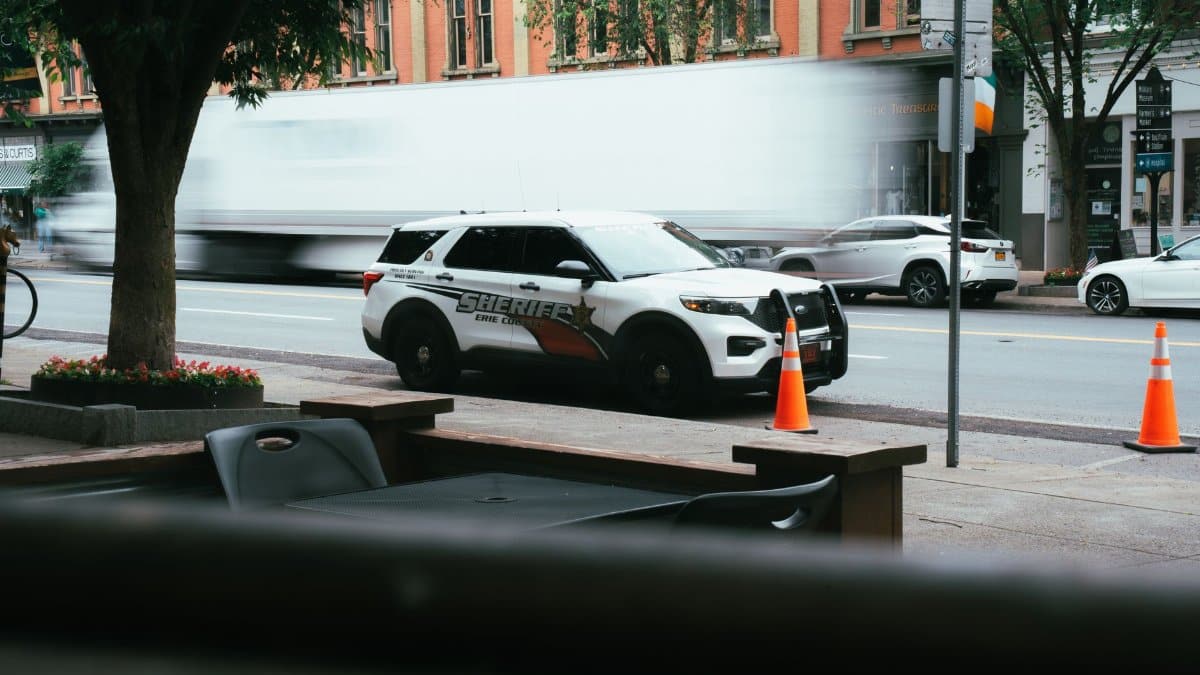
Sheriffs do not set the millage, but they live inside it. Payroll, vehicles, jail medical care, and overtime are not optional line items in the way a festival grant might be. When a statewide sheriffs group calls the homestead hike a public safety risk, the claim is less about ideology than about the share of a county budget that cannot be postponed. A deputy vacancy does not wait for the next real estate cycle.
In counties where residential property dominates the roll, an exemption aimed at primary homes removes value from the very base that pays for local policing. Rural and suburban offices often have fewer commercial parcels to lean on. Their leaders argue that a popular tax cut can arrive as fewer night shifts, longer response times, and jails that already run near capacity. They want voters to see the exemption and the cruiser as parts of the same ledger.
The dissent from Miami Dade
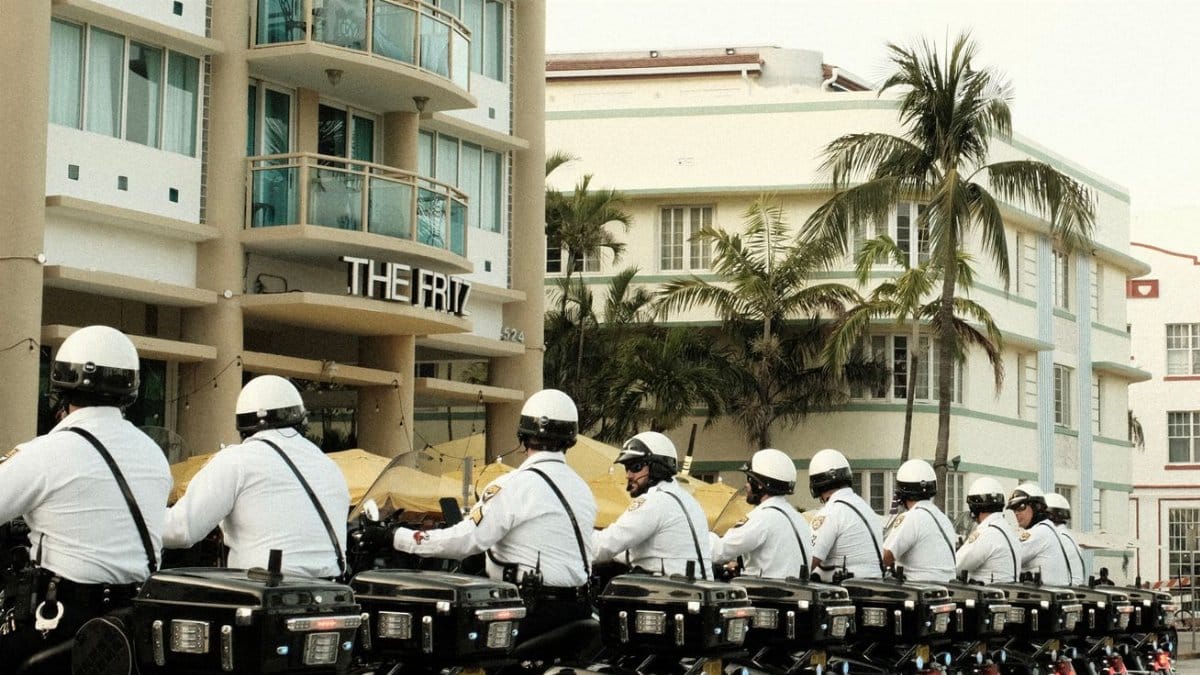
Not every sheriff signs that warning. Reporting on the fight has highlighted a break inside the profession: the sheriff in Miami Dade has not joined the alarm, and the governor has treated the proposal as responsible relief rather than a threat to order. That dissent matters because Miami Dade is not a small test case. It is a dense county with a large tax base, a complex city and county map, and a sheriff whose political weight travels beyond one ballot.
The disagreement is not a personality spat dressed up as policy. Large urban counties can sometimes absorb a residential exemption with commercial and tourism related value that smaller counties lack. A sheriff who believes the office can protect core services without the lost homestead revenue will not want a statewide letter to speak for the department. Voters hear two professional judgments and have to decide which local reality resembles their own.
What the governor is willing to bet

DeSantis has spent political capital on the idea that Florida homeowners are carrying too much of the property tax load. His alignment with the Miami Dade position, against the broader sheriffs warning, frames Amendment 3 as a test of whether state leadership can sell tax relief without being cast as soft on crime. The bet is that local government has room to reprioritize, and that voters will reward a visible cut more than they will punish a hypothetical shortfall.
That bet has a familiar Florida shape. Constitutional amendments outlast governors. A exemption written into the state charter does not sunset when a budget year turns ugly. Supporters say that durability is the point, a protection against commissions that raise rates after a cut. Opponents say durability is the danger, because a future recession or a spike in insurance and jail costs cannot be negotiated away at a workshop.
How relief lands on an actual tax bill
For a homeowner, the mechanics feel simple. A higher exemption lowers taxable value. If the millage stays flat, the bill falls. If local boards raise the rate to recover revenue, some of the relief disappears, and renters and businesses may pay more so that homesteaded owners pay less. Amendment campaigns often skip that second move. It is the move county budget directors lose sleep over.
Assessments, Save Our Homes caps, and existing exemptions already make Florida bills hard to compare across the street. Adding another constitutional layer will not make the mailer clearer. What it will do is lock in a preference for primary residences over other property. That preference has winners. Long time owners in high value neighborhoods see it first. New buyers, landlords, and small firms on commercial strips feel it later, when the rate or the rent adjusts.
The public safety math without the slogans

Public safety advocates on both sides reach for clean stories. One story says less tax revenue means fewer deputies. The other says disciplined government can cut elsewhere and keep the badge whole. Neither story is automatically true. A county can protect the sheriff and squeeze libraries, parks, and road maintenance. It can also protect amenities and slow hiring in the jail. The amendment does not choose. Commissioners do, under pressure from whoever shows up.
The honest version is narrower. Where law enforcement already consumes a dominant share of the general fund, there is less fat outside the sheriff to trim. Where sales tax, tourist levies, or a deep commercial roll cushion the homestead loss, the warning looks overdrawn. Amendment 3 sheriffs split tracks that geography as much as it tracks party. A coastal county with hotels is not a inland county with miles of subdivision and one highway commercial strip.
Smaller departments and the fear of a quiet cut

Large agencies can absorb a hiring freeze in a way that a twenty person office cannot. In a small county, one unfilled deputy is a weekend with no backup. Sheriffs in those places describe the proposal as a cut that will not announce itself with a closed substation. It will show up as overtime that never gets approved, training that slips, and a reliance on mutual aid that larger neighbors may not have spare capacity to give.
Those sheriffs also know the politics of saying no to a tax cut. Homeowners are voters. Deputies are voters too, but they are fewer. A public letter from a statewide association gives cover to local officials who do not want to look hostile to relief. It also risks sounding like a threat: fund us or accept more crime. Residents who already feel overtaxed hear the second meaning first, which is why the dissenting sheriff matters as a counterexample rather than a footnote.
Schools, cities, and the rest of the roll

Sheriffs are the loudest voices in this fight, but they are not the only agencies on the roll. School districts, city police departments that are not under a sheriff, and fire rescue districts face the same taxable value. A campaign that centers badges can hide a wider squeeze. Parents may not connect a homestead amendment to an art teacher or a delayed roof, yet the mechanism is the same subtraction from the base.
City councils in places served by municipal police have their own version of the split. Some will echo the statewide sheriffs. Others will side with the governor and promise to hold the line on rates. The amendment, if it passes, will not settle those local arguments. It will start them, year after year, at budget adoption.
What voters are actually being asked

Constitutional questions invite moral language. This one is still a tax question. Voters are being asked whether the state should further favor primary homes in the property tax system, knowing that local services funded by that system will have to adjust. They are not being asked to pick a sheriff or a governor. They are being asked to pick a rule that both will have to live with.
Campaign mail will flatten the choice. One side will print a lower bill. The other will print an empty patrol car. The more useful test is local. How much of the county tax base is homestead property. How large a share of the general fund already goes to the sheriff and the jail. Whether the commercial roll can carry more without pushing rents and prices up. Those answers differ by county, which is why a single statewide slogan fits this fight so poorly.
Trust, turnout, and a profession that rarely breaks in public

Sheriffs cultivate an image of unity. A visible split punctures that image, and it may be the most politically consequential fact of the campaign. When law enforcement leaders disagree in public, undecided voters lose the shortcut of deferring to the badge. They have to weigh the Miami Dade confidence against the broader warning, and they have to decide whether the governor is describing their county or a county with more room to maneuver.
Turnout will skew toward homeowners, the people most likely to gain from a larger exemption. Renters, who may face downstream costs, vote in smaller numbers on tax amendments they do not think they pay. That imbalance does not make the policy illegitimate. It does mean the coalition for passage can be narrower than the group that lives with the result.
The months before the ballot
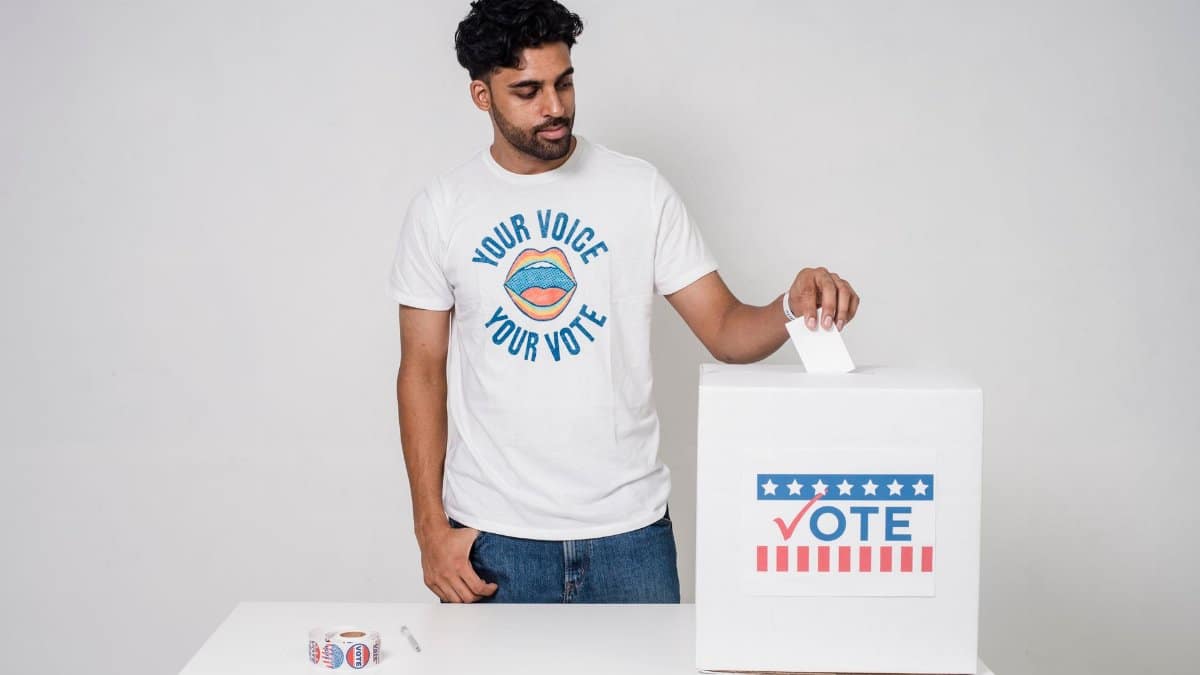
Between now and election day, expect more letters, more ride along photo opportunities, and more arguments about what a responsible reserve looks like. Counties will publish impact estimates. Campaign committees will dispute the assumptions inside those estimates. Readers should ask who built the model and whether it assumes flat millage or a clawback through higher rates.
Amendment 3 sheriffs split will keep surfacing because it gives each side a human face. A governor can talk about affordability. A sheriff can talk about a night shift. A homeowner can talk about an insurance bill that already feels unbearable, with property tax as one more weight. None of those stories cancels the others. The amendment forces a ranking.
A choice that outlasts the press conference
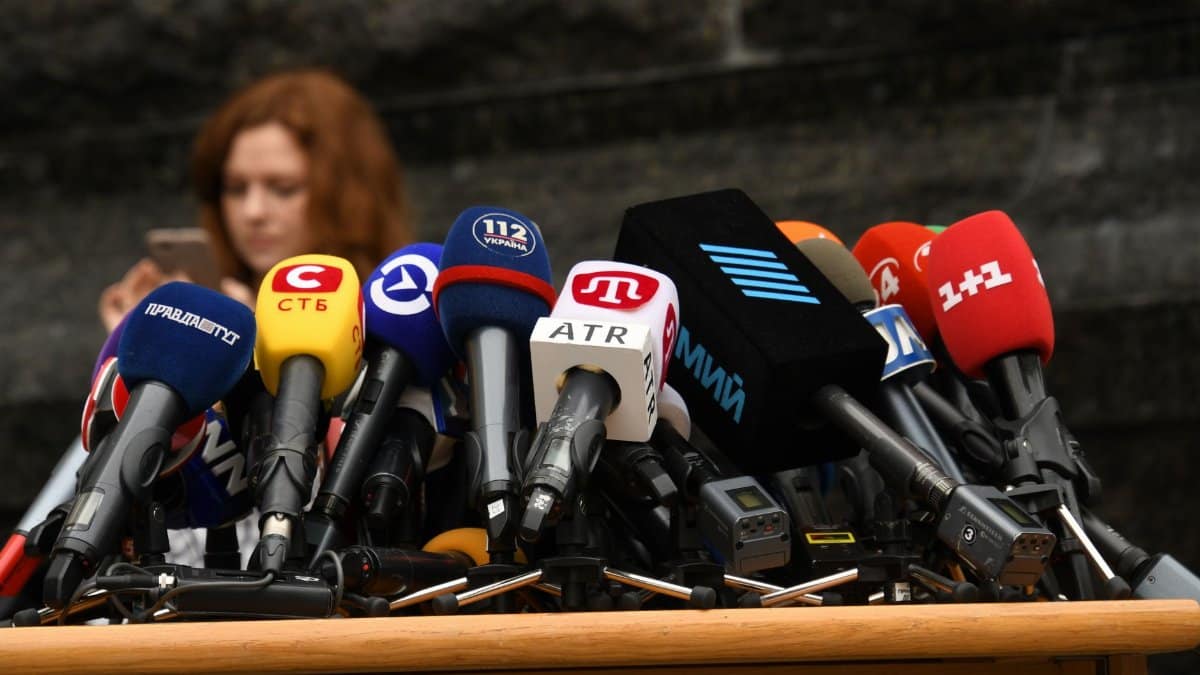
Florida has amended its tax rules before, and it will argue about the consequences for years if this one passes or fails. Failure leaves the current exemption in place and the pressure for relief intact. Passage writes a new preference into the charter and dares local boards to protect services without the revenue they used to count on. Either outcome will be claimed as a verdict on crime, when it is really a verdict on who should bear the local tax base.
The useful posture for a reader is skeptical of both absolutes. A homestead hike is real money for many owners. It is also real money leaving local ledgers. Amendment 3 sheriffs split is the profession admitting that those two facts do not point every department in the same direction. Miami Dade can look at its roll and see room. Another county can look at its roll and see a patrol that gets thinner. The ballot will not split the difference. It will pick one rule for all of them, and the arguments in those commission chambers will continue long after the signs come down.