
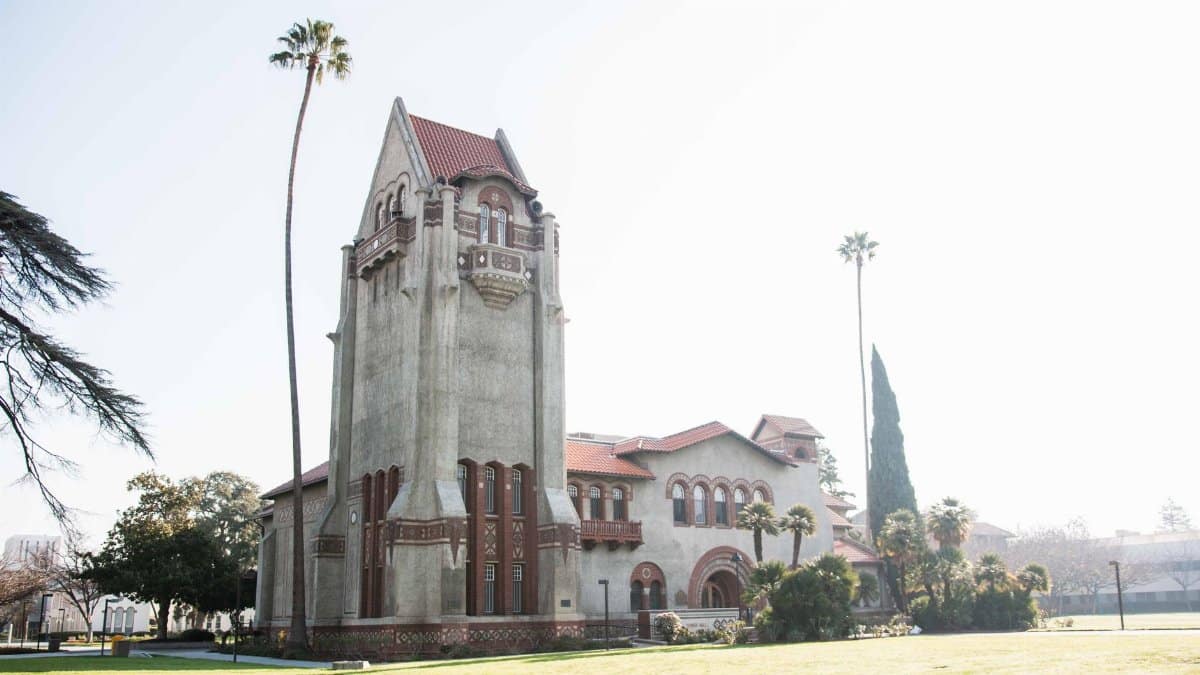
The recent federal scrutiny of campus environments at two prominent California universities has drawn attention to ongoing challenges in fostering inclusive academic spaces. San Francisco State University and its counterpart in San Jose now stand at the center of a broader Education Department review examining claims of bias against Jewish students. This SF State antisemitism probe alongside a parallel inquiry at San Jose State highlights how universities navigate complex social tensions while upholding principles of open discourse and safety for all.
Origins of the Federal Review Process

The Education Department launched these inquiries after receiving multiple complaints alleging that university administrations failed to address incidents of harassment targeting Jewish individuals. Officials have requested detailed records from both campuses covering policies on discrimination reports and responses to specific events. Investigators aim to determine whether institutions complied with civil rights protections under Title VI of the 1964 law.
Campus Incidents Prompting Concerns

Reports describe gatherings and statements at San Francisco State that some participants viewed as crossing into hostility. Similar accounts emerged from San Jose State involving student organizations and public expressions. University leaders have stated they maintain channels for reporting such matters and have conducted internal assessments to evaluate the climate for Jewish students.
University Responses and Policy Adjustments

Administrations at both sites have affirmed commitments to equitable treatment and have expanded training programs focused on recognizing bias. Spokespeople noted that staff members receive guidance on handling complaints promptly and thoroughly. Additional measures include updated guidelines for event approvals and partnerships with external groups to promote dialogue.
Perspectives from Jewish Student Groups

Members of campus Jewish organizations have expressed a mix of apprehension and resolve. Some describe feeling isolated during periods of heightened activism while others report supportive interactions with faculty and peers. These accounts contribute to the information gathered during the SF State antisemitism probe and its counterpart inquiry.
Broader Context Across California Campuses
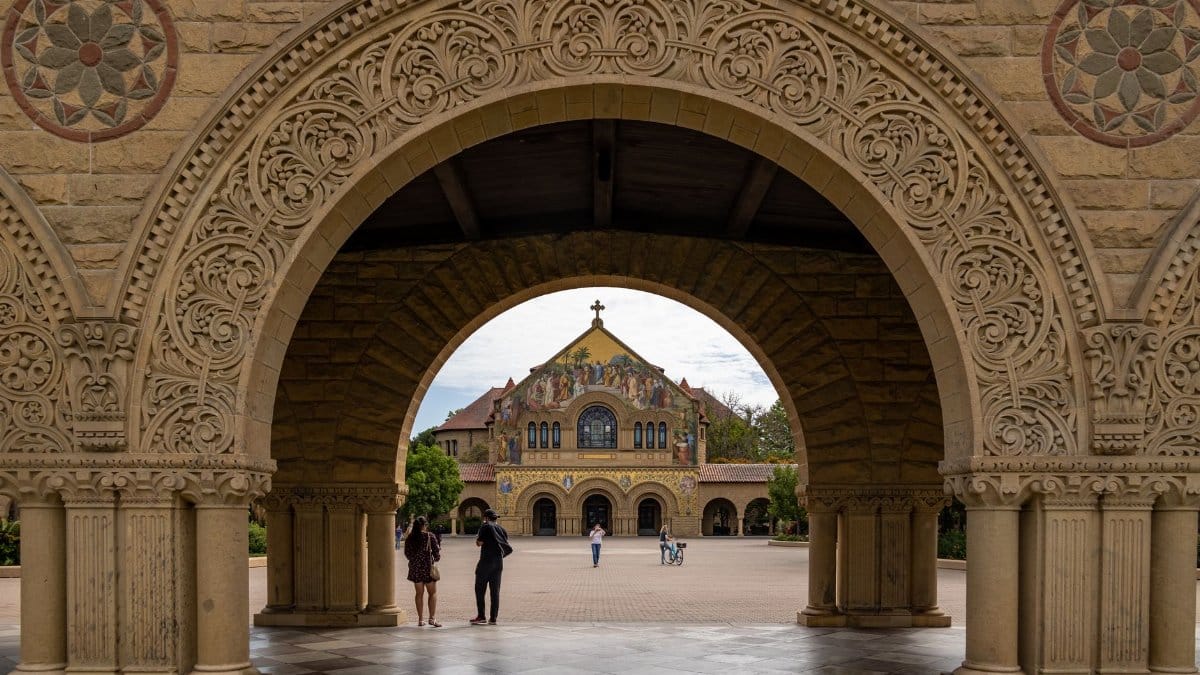
The cases reflect a pattern of federal attention to several institutions in the state where complaints have surfaced in recent years. Education officials have indicated that reviews seek consistent application of standards rather than targeting any single region. Data from prior resolutions show that many universities implement changes following such examinations.
Legal Framework Guiding the Inquiries

Title VI requires recipients of federal funding to ensure environments free from discrimination based on shared ancestry or ethnic characteristics. The current examinations assess whether responses to reported incidents met this obligation. Outcomes could range from voluntary agreements to more formal enforcement steps if deficiencies appear.
Role of External Advocacy Organizations

Groups monitoring campus antisemitism have supplied documentation to federal authorities and have urged thorough examinations. These organizations track trends nationally and provide resources to affected students. Their involvement underscores the intersection of advocacy and regulatory oversight in higher education.
Potential Effects on Academic Freedom

Observers note that investigations must balance protection against bias with safeguards for robust debate on contentious issues. Faculty members have voiced support for clear boundaries that prevent both harassment and undue restrictions on expression. Discussions continue about how best to maintain these dual priorities.
Community and Alumni Reactions
Local residents and graduates have followed developments through public statements and campus forums. Some advocate for stronger institutional leadership while others emphasize the value of student led initiatives in shaping inclusive cultures. These voices add layers to the ongoing conversation around the SF State antisemitism probe.
Looking Ahead at Institutional Reforms

Both universities have signaled plans to review and refine their approaches based on findings from the federal process. Continued monitoring and transparent reporting may help rebuild trust among students who raised concerns. The situation remains fluid as reviews proceed through standard administrative channels.