
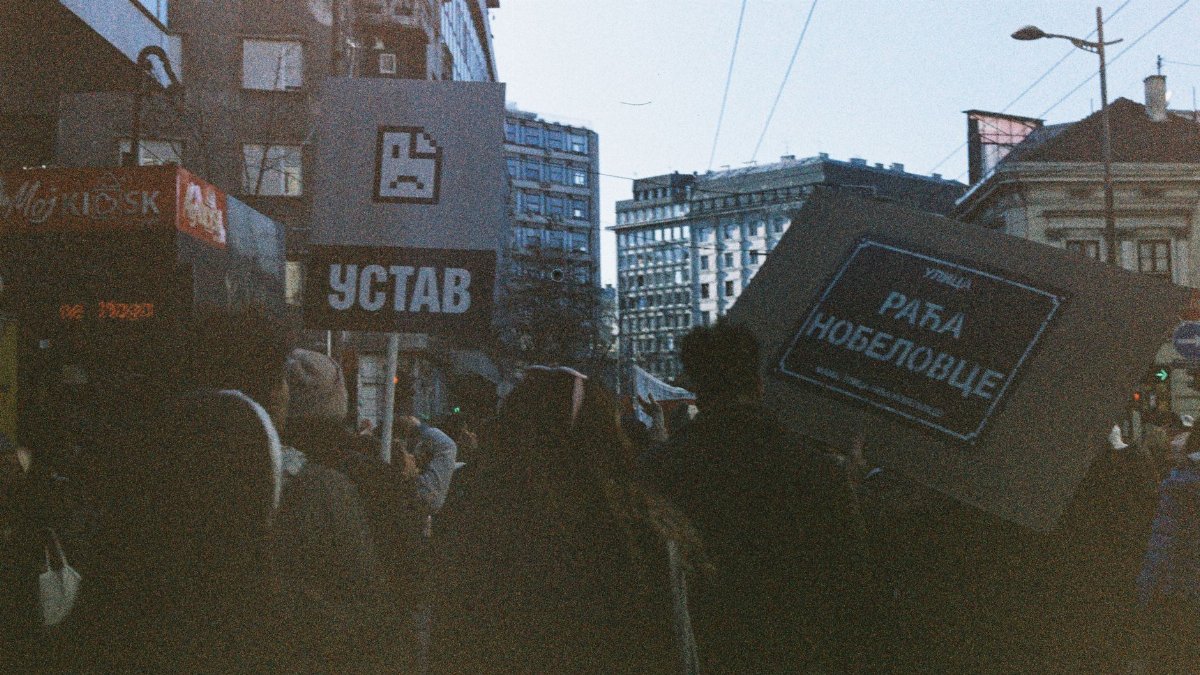
On a cold evening in Belgrade, the sound that carried across the river was not a siren and not a speech. It was a crowd counting, slowly, as if the number itself might break. Students held paper lanterns outside the old post office while party officials slipped out a side door with their phones dark. Within hours, aides confirmed what the square already believed: the president had lost. The Serbia Vucic election, long treated by insiders as a managed ritual, had produced a result the palace could not massage into another victory.
A concession few allies rehearsed
Aleksandar Vucic conceded around October 24, 2026, in a short address that lacked his usual command of the room. He thanked voters, blamed fatigue, and said he would respect the count. He did not name a successor. He did not attack the students by name. For a leader who had spent more than a decade defining Serbian politics as a choice between himself and chaos, the restraint felt like an ending rather than a tactic.
People who have watched him since his days as a minister remember a man who rarely yields a microphone. On this night he yielded the story. Television cut from the palace to a lecture hall where organizers in worn coats read precinct numbers aloud. No one cheered at first. Then a woman near the door began to cry, and the room followed.
How campuses became a national opposition
The movement did not begin as a party. It began as a refusal. After the canopy collapse in Novi Sad in late 2024 killed people waiting under a public roof, students blocked faculties and demanded accountability that never quite arrived. What started as grief hardened into method. They learned to rotate spokespeople so no single face could be bought, smeared, or exhausted. They kept demands short: honest tenders, independent prosecutors, and a ballot that did not feel prewritten.
By the spring of 2026 the blockade had a voter file, a legal team, and allies in smaller towns who had never marched in Belgrade. Professors lent classrooms. Priests in some parishes opened halls when police grew rough. Pensioners who had voted for stability for years began to say, quietly, that stability had started to look like decay.
The architecture of a long rule
Vucic did not invent Serbian disappointment, but he organized it. He offered order after years of weak coalitions, jobs tied to party loyalty, and a foreign policy that tried to face Brussels and Moscow at once. State television amplified his voice. Local bosses controlled contracts. Critics called the system a soft autocracy. Supporters called it the only adult in a noisy house.
That bargain frayed when prices rose and public works became symbols of insider profit rather than national pride. The station disaster was not the only wound. It was the one people could point to. A roof that should have held became a metaphor the palace could not retire.
What the Serbia Vucic election actually measured
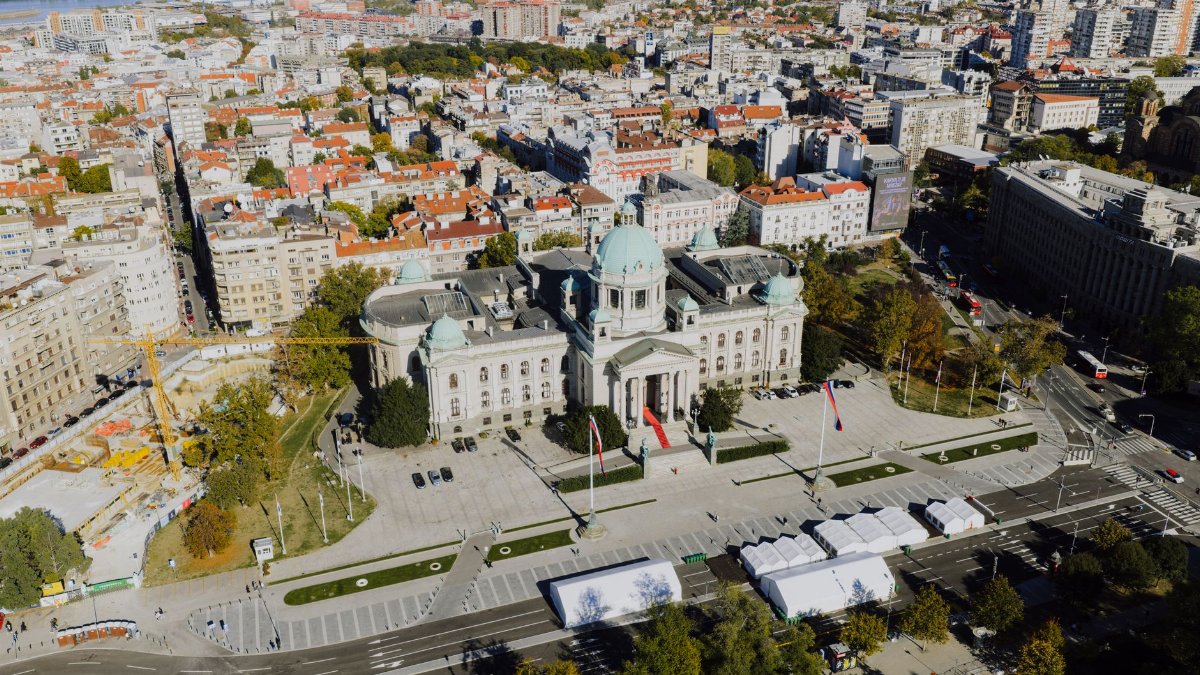
Official tallies, still subject to complaints in a handful of municipalities, showed the student backed list and its civic partners ahead by a margin too wide for the usual late night revisions. Turnout rose among voters under thirty five and among women in midsize cities. Rural strongholds held, but not with the old surplus. Monitors from domestic groups described fewer blatant carousel schemes than in some past cycles, and more quiet pressure: rides offered, jobs hinted, priests encouraged to bless the familiar name.
The Serbia Vucic election will be studied less for any single dirty trick than for the moment when those tricks stopped being enough. A machine can move money and airtime. It struggles when the other side treats every classroom as a precinct and every funeral as a political fact.
Conscience, faith, and the street
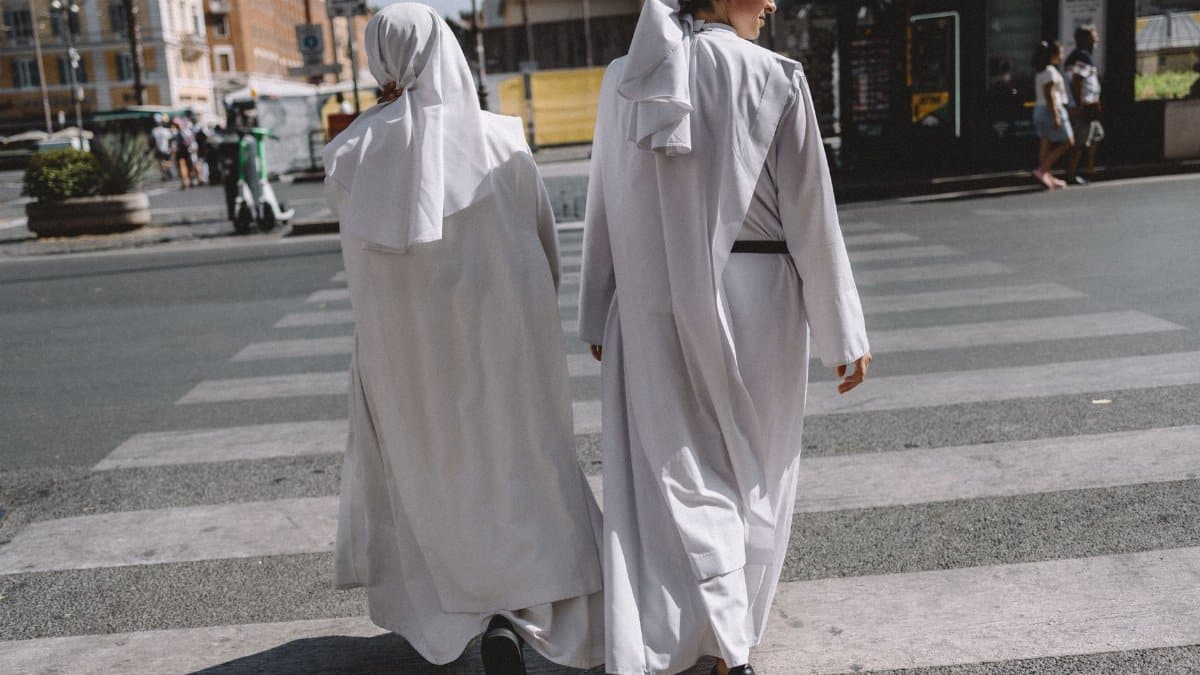
Serbia is not a secular country in the American sense, and this contest was never only about budgets. In Orthodox parishes, arguments broke out after liturgy about whether obedience to authority still counted as a virtue when authority shrugged at the dead. Some clergy urged calm and warned against imported agitation. Others spoke of repentance in public life, a word that landed harder than any slogan.
The student movement did not campaign as a church. It did borrow a moral grammar older than party politics: tell the truth about the roof, the tender, the hospital queue. That language reached people who dislike protest aesthetics but still believe a nation keeps a soul. In a category of news often reserved for belief and trend, the political fact and the spiritual one met on the same pavement.
Europe, neighbors, and a careful silence
Brussels congratulated voters and urged a peaceful transfer, the kind of sentence written before anyone knows who will sit in which chair. Hungary’s government, long friendly to Vucic, said little. In Pristina and Sarajevo, commentators watched for whether a new Belgrade would change tone on Kosovo and on wartime memory, or simply change the face on the billboards.
The students have been deliberately vague on the hardest regional questions. Their coalition includes people who want faster European alignment and people who fear being lectured by capitals that ignored Serbian grievances for years. Ambiguity held the tent together. Governing will tear at the seams.
Money, contracts, and the anger underneath
Talk to shopkeepers in Nis or nurses in Kragujevac and the theology gives way to arithmetic. Wages lagged. Energy bills jumped. Foreign investment arrived with photo ops and left with questions about who owned the subcontract. Young graduates left for Vienna and Berlin not because they hated their language, but because a starting salary could not rent a room near their parents.
Vucic’s governments could point to highways, stadiums, and a period without the street wars of the nineteen nineties. Those achievements were real for many families. They were not enough once people decided that public death under a public roof was not an accident of weather. The election became a referendum on whether competence included honesty.
Inside the palace on the morning after
Associates described a building that did not know its own script. Some ministers drafted resignation letters and then waited to see if the concession would be walked back by morning shows. It was not. Security remained in place. No tanks rolled, and that absence mattered. Serbia has a memory of politics settled by force. A lost election that ends in a speech, however grudging, is a different inheritance.
Still, concession is not abdication of a network. Mayors, directors of public firms, editors, and police chiefs do not evaporate because a president loses a night. The student list won a mandate. It did not win the plumbing of the state.
Who speaks for the movement now
The students insisted on collective leadership, a choice that protected them from the cult of personality they opposed and now complicates every press conference. Someone must negotiate a budget. Someone must answer when a plant closes. Names are emerging: faculty organizers with legal training, a former municipal auditor, a nurse who became a precinct captain in Cacak. None yet carries Vucic’s gift for filling a screen.
That may be the point. Voters did not appear to hire a new father of the nation. They hired a brake. Whether a brake can steer is the next test, and it will come faster than the celebrations suggest.
The risks of a beautiful upset
Upset victories curdle when winners confuse moral clarity with administrative skill. Prosecutions that look like revenge will split the coalition and hand Vucic a comeback story. Silence on corruption will do the same from the other side. Regional nationalists will probe for weakness. So will investors who prefer a predictable strongman to an idealistic committee.
There is also the risk of myth. If every future disappointment is blamed on the old regime alone, the new governors will repeat the habit they campaigned against: a politics with no mirror. The dead in Novi Sad deserve better than a fresh set of excuses.
What voters may remember
Ask older Serbs what they want from this turn and many will not say ideology. They will say they want to bury people without suspecting the concrete. They want a child who stays. They want a news broadcast that does not feel like a commercial for one man. Those are modest hopes. They are also the kind that topple long projects when ignored.
Younger organizers speak with less nostalgia and more procedure. They want asset declarations that mean something, courts that do not take phone calls, and universities that grade without party lists. If they can translate lanterns into statutes, the night in Belgrade will look less like a miracle and more like work.
A shift, not a fairy tale
Calling the result seismic is fair if the word means the ground moved, not that the landscape is finished. Vucic remains a skilled politician with a loyal base and a talent for framing himself as the victim of elites, students, and foreigners at once. He conceded. He did not disappear. Parties built on one person’s will often survive the person, at least for a season.
For now the fact stands. In the Serbia Vucic election of 2026, a leader who had mastered the machinery of consent met a public that withdrew it. The withdrawal was partial, argumentative, and rooted as much in grief as in policy. It was also unmistakable.
The square after the count
By dawn the lanterns were out and street cleaners moved through cigarette ends and wax. A student who had not slept leaned on a railing and watched the river go gray. She said she did not feel triumph. She felt responsibility, which is a heavier and less photogenic emotion. Behind her, someone began to sweep the steps of the post office as if the building might be used again for ordinary mail.
That image may outlast the speeches. Serbia has traded a familiar strongman for an unfinished argument about truth in public life. The argument is political, economic, and, for many who stood in the cold, spiritual in the plain sense: a people asking whether their common life can tell the truth about what it builds, and about who it fails. The Serbia Vucic election did not answer that question. It made it impossible to postpone.