
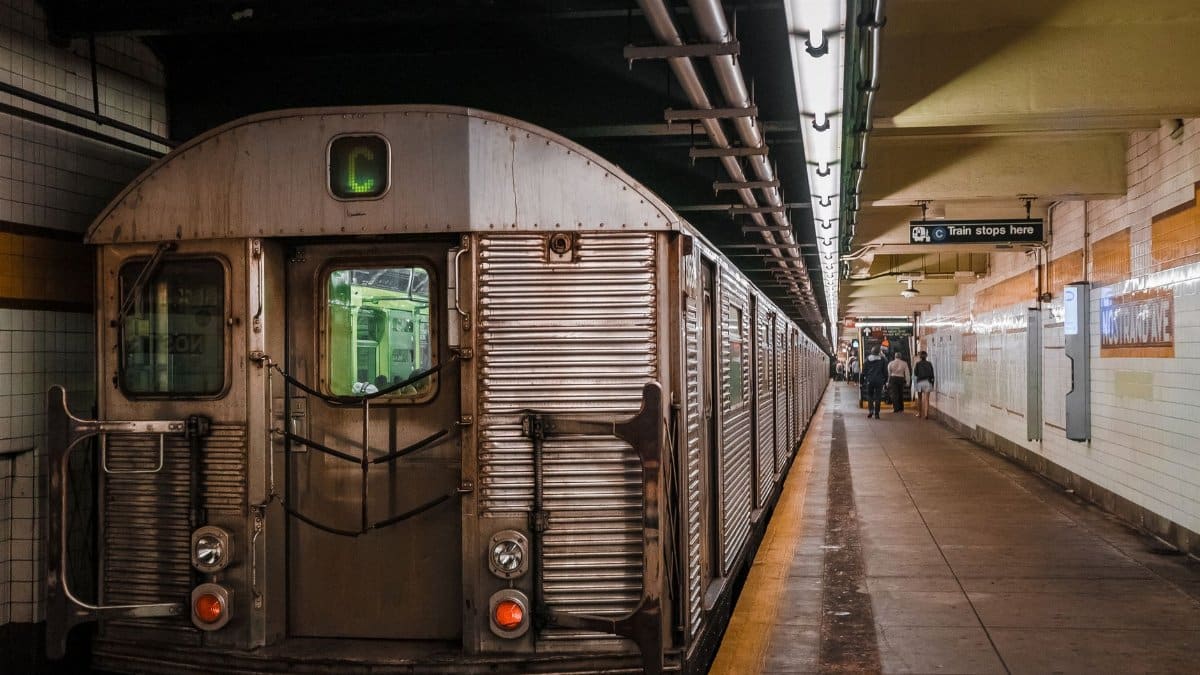
On a gray morning along the Schuylkill, a string of silver commuter cars sat where Philadelphia riders will eventually board them, quiet for now, their destination boards dark. They had come a long way from Canadian tracks, through yards, customs desks, and a political argument about what a used train ought to cost at the border. For the people who keep the regional rail system moving, the arrival of the SEPTA Montreal Comet cars was less a ceremony than a relief. The cars were here. The surcharge many had feared was not.
A delivery that almost became a trade story

Transit agencies buy used equipment more often than the public realizes. A car that has already earned its keep on one railroad can still have years left if the trucks, doors, and wiring can be brought up to the standards of a new owner. That is the bargain SEPTA struck when it looked north to Montreal for surplus Bombardier commuter cars. The logic was plain. New cars take years to design, bid, build, and test. Riders do not experience those years as planning. They experience them as crowded platforms and canceled trips.
What turned a routine equipment deal into a larger story was the possibility of a tariff. Used rail cars are not sneakers or steel pipe, but they still cross a border, and borders have rules. Officials and advocates worried that duties could land on the purchase after the fact, blowing a hole in a budget already stretched by aging vehicles and rising labor and parts costs. The cars reached Philadelphia after Customs waived the feared United States duties. In a season when trade policy has a way of arriving in ordinary places, a commuter railroad became an unlikely exhibit.
What these cars are, and what they are not
The fleet in question is a set of twenty four used Bombardier cars, the kind of stainless steel commuter stock that has carried office workers and students through Canadian winters. They are not a magic replacement for every tired vehicle in the SEPTA roster. They are not brand new. They will need inspection, modification, and time in the shop before they feel native to Philadelphia schedules. Anyone who has bought a used car knows the difference between a title transfer and a reliable Tuesday morning.
Still, a car that exists is different from a car that exists only in a rendering. These vehicles have frames, seats, doors, and a maintenance history. Engineers can put hands on them. That tangibility matters in a system where some of the most important equipment decisions are made years before a rider ever sees a new paint scheme. The SEPTA Montreal Comet cars represent a bridge, not a destination. They are meant to cover a gap while longer procurement grinds forward.
Why Philadelphia went looking

Regional rail in this city is a promise that reaches into the suburbs and back into Center City, and it is also a machine that fails in public. When cars are out of service, the failure shows up as a shorter train, a skipped stop, or a platform announcement that sends people toward buses they did not plan to take. SEPTA has lived for years with the consequences of an aging fleet, including the long shadow of the Silverliner V problems that took cars out of service and taught a generation of riders how fragile a schedule can be.
Buying used equipment is an admission and a strategy at once. It admits that the ideal purchase, a full order of new cars built to spec, cannot arrive fast enough. It strategizes around that fact. Other American agencies have done similar things, pulling cars from one commuter network to another when dimensions, power systems, and platform heights can be reconciled. The work is unglamorous. It is also how some railroads avoid telling riders to wait until the next decade.
The duty that did not arrive

Tariffs are usually debated in the language of factories and national strategy. A duty on a commuter car is harder to romanticize. It would have been a line item, then a fare pressure, then a service cut somewhere down the chain. People who follow SEPTA finances know how little slack there is. A surprise surcharge on two dozen cars would not have been absorbed by a cushion. It would have been absorbed by something riders can feel.
Customs waived the feared duties. That sentence is easy to skim past. It deserves a slower reading. Waiver does not mean the trade rules vanished. It means, in this case, that the agency did not have to pay the penalty that advocates and managers had spent months dreading. The cars could be valued as transportation equipment rather than as a symbol in a larger tariff fight. For a public agency, that distinction is measured in shop hours and spare parts, not in speeches.
Paper, borders, and a railroad clock
Railroads run on timetables. Customs runs on classifications. Those two clocks do not naturally match. A car can be physically ready to move while its paperwork is still a question. Shippers, brokers, and agency lawyers spend weeks deciding which schedule of the tariff code applies to a vehicle that is both a machine and, in the eyes of trade law, a good. Is it rolling stock entering for continued use? Is it something closer to scrap, or to a manufactured product competing with domestic builders? The wrong answer can be expensive.
The episode is a reminder that infrastructure is never only concrete and steel. It is also forms. A waiver can be as consequential as a new substation. Riders will never see the filing. They may eventually see a longer train. Between those two facts sits a kind of civic translation that journalists and budget analysts are paid to perform, and that most commuters are happy to ignore if the 5:40 leaves on time.
Riders who measure policy in minutes

Ask a regular on the Paoli Thorndale line or the Trenton line what a trade ruling means, and you will get a look. Ask what another working car means, and the answer gets specific. It means a seat instead of a vestibule. It means a connection that is not missed because the first train was short. Middle aged riders, the core of the weekday regional rail market, tend to judge the system by whether it respects a workday. They are not romantic about equipment. They are precise about lateness.
That precision should discipline the celebration. Arrival at a yard is not the same as entry into revenue service. Testing, training, and compatibility work remain. Doors have to behave. Communications have to speak the local language of the railroad. Crews have to trust the cars in bad weather. A waiver solves a money problem. It does not solve a mechanical one. Honest coverage holds both thoughts at once.
Shops, crafts, and the work of adoption
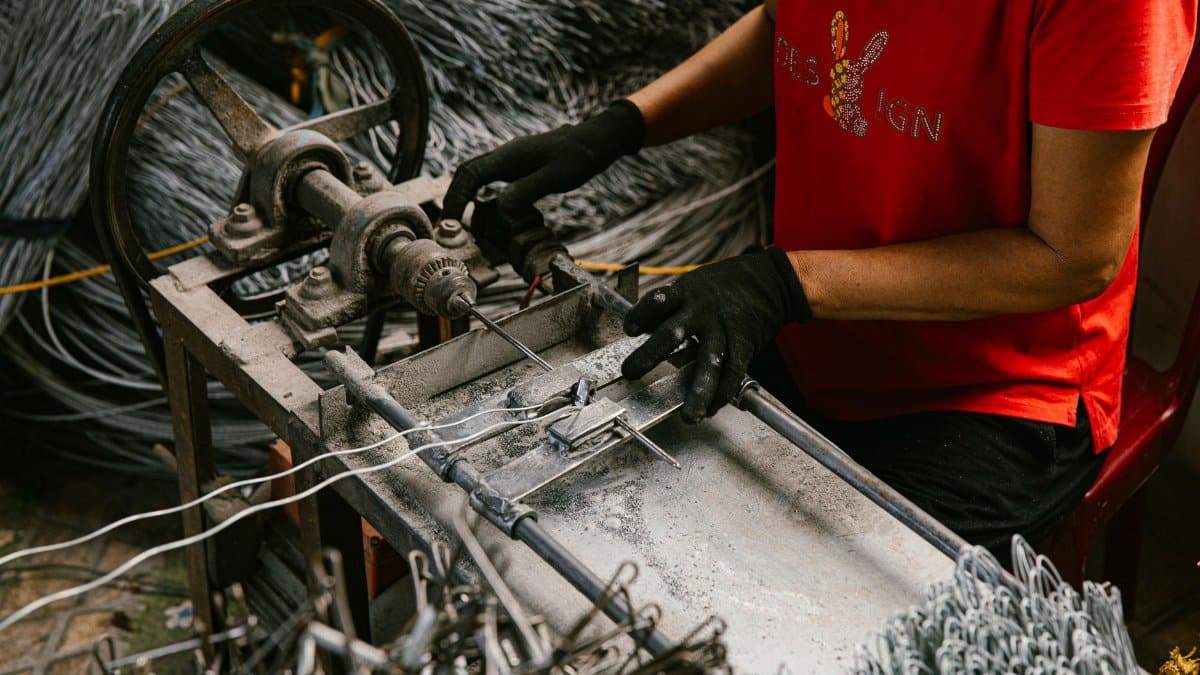
Making a Montreal car feel like a Philadelphia car is a craft problem. Electricians, machinists, and car inspectors will decide whether this purchase looks wise in two years. They will chase parts that were specified for another railroad. They will compare wear patterns with what they already know from the Silverliner fleet. Some of that knowledge is written down. A great deal of it lives in people who have spent decades listening to a car tell them what is about to fail.
Public conversation about transit purchases often stops at the contract price. The better conversation includes the shop. A cheap car that cannot be maintained is not cheap. A used car with a clear parts path and a workforce ready to learn it can be a bargain. SEPTA will be judged on whether it funded that learning, not only on whether it won a waiver. The SEPTA Montreal Comet cars will succeed or fail in buildings most riders never enter.
Montreal’s surplus and Philadelphia’s shortage

One city’s extra car is another city’s contingency plan. Montreal’s commuter network, like many in North America, has been reshaped by new orders, ridership swings, and the long cycle of replacement. Surplus is not waste. It is the residue of planning that, for a moment, outran need. Selling or transferring those cars keeps them in public service instead of sending them to a scrapper while another city limps along with too few seats.
There is a continental logic here that trade fights tend to obscure. Canadian and American commuter railroads have borrowed designs, suppliers, and occasionally whole fleets from each other for generations. Bombardier, now part of a global rail industry that has consolidated into fewer builders, left equipment all over both countries. When Philadelphia looks to Montreal, it is not importing an alien object. It is moving a familiar North American tool from one workshop to another. The border makes that movement political. The engineering makes it plausible.
Money, fares, and the next ask

SEPTA’s finances are a recurring civic argument in Pennsylvania. State support, local matches, fare policy, and the cliff that arrives when federal relief fades all sit in the same folder as this equipment deal. A waived duty is good news inside that folder. It is not a structural fix. It does not rebuild a capital program. It does not settle how much a ride should cost, or how the commonwealth should treat a railroad that serves both city and suburbs.
Still, small mercies matter when the alternative is a worse number in a public budget. Every dollar not paid in surcharge is a dollar that can stay with maintenance, or with the unglamorous replacements that keep older cars alive until the used ones are ready. Riders hear a lot of promises about transformation. They are better served by a sequence of competent decisions. This one, if the cars perform, belongs in that sequence.
What the Silverliner years still teach
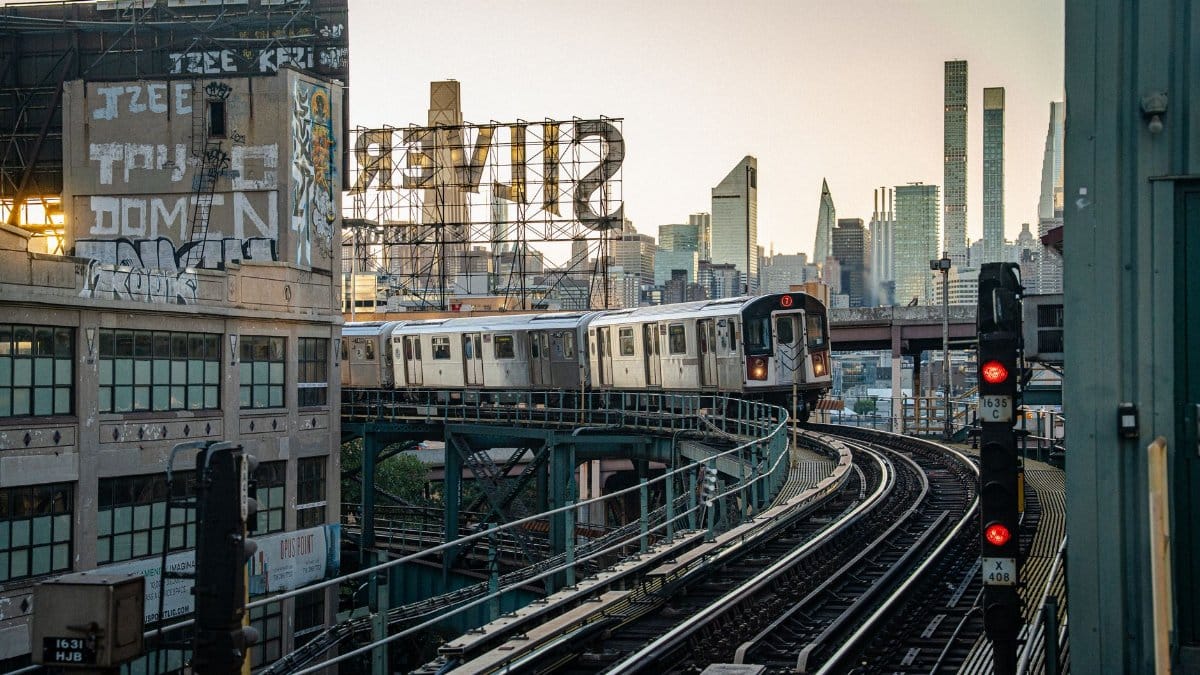
Memory is part of the equipment story. The Silverliner V crisis, when cracks forced cars out of service and scrambled regional rail, remains a reference point for anyone who covers this system. It taught managers to treat structural integrity as a living question, not a warranty footnote. It taught riders to ask what happens when a large share of the fleet disappears at once. Any incoming car, new or used, will be read against that memory.
That is healthy. Skepticism is not cynicism. A railroad that has failed in public owes the public a higher standard of explanation. How will these cars be inspected? What failures would take them out of service? How many are expected in daily use, and by when? Those questions are more useful than a ribbon cutting. They are also the questions that separate a press release from journalism.
A border that riders never see
Most people who will sit in these cars will never think about customs classifications. They will think about whether the heat works in January and whether the announcement matches the station outside the window. That is as it should be. The point of public infrastructure is to disappear into reliability. When it becomes visible, something has usually gone wrong, or something unusual has intervened. A tariff scare is the second kind of visibility. It pulls a hidden system into the news and then, if the waiver holds and the shops do their work, lets it recede again.
There is a modest civic lesson in that recession. Not every cross border transaction is a contest with a winner and a loser. Some are maintenance. A city needed cars. Another city had cars. A customs decision declined to make the transfer punitive. The rest is labor. If the SEPTA Montreal Comet cars eventually feel ordinary on a Tuesday evening, the policy will have done its quiet job.
Counting cars against a harder decade
The decade ahead for American commuter rail is not gentle. Ridership has not returned in a straight line. Work patterns have changed. Parts are costly. Skilled labor is scarce. Climate stress shows up as heat restrictions, flooded stretches, and schedules that assume weather the region no longer has. In that setting, twenty four cars are not a renaissance. They are a reserve. Reserves are what serious operators build when they cannot control the decade and still have to run Thursday.
Observers should watch three things. First, the calendar between arrival and revenue service. Second, the failure rate once the cars are in daily use. Third, whether the money saved on duties shows up as sustained maintenance rather than as a one time talking point. Those are measurable. They do not require a speech. They require the agency to publish numbers and reporters to keep asking for them after the novelty fades.
An unsentimental arrival
It is tempting to treat any cross border cooperation as a moral fable. The better frame is practical. Philadelphia needed seats. Montreal had surplus Bombardier cars. Customs declined to attach the surcharge that could have warped the deal. None of that restores a neglected capital budget. All of it keeps a bad situation from becoming worse on one specific purchase. In public life, that is a real outcome.
The cars in the yard do not know they were a trade story. They know doors, brakes, and miles. If the SEPTA Montreal Comet cars earn their keep, riders will grant them the highest compliment a commuter fleet can receive. They will stop being news. Until then, the honest account is simple. They arrived. The duty did not. The work of making them Philadelphia cars is the story that starts now.