
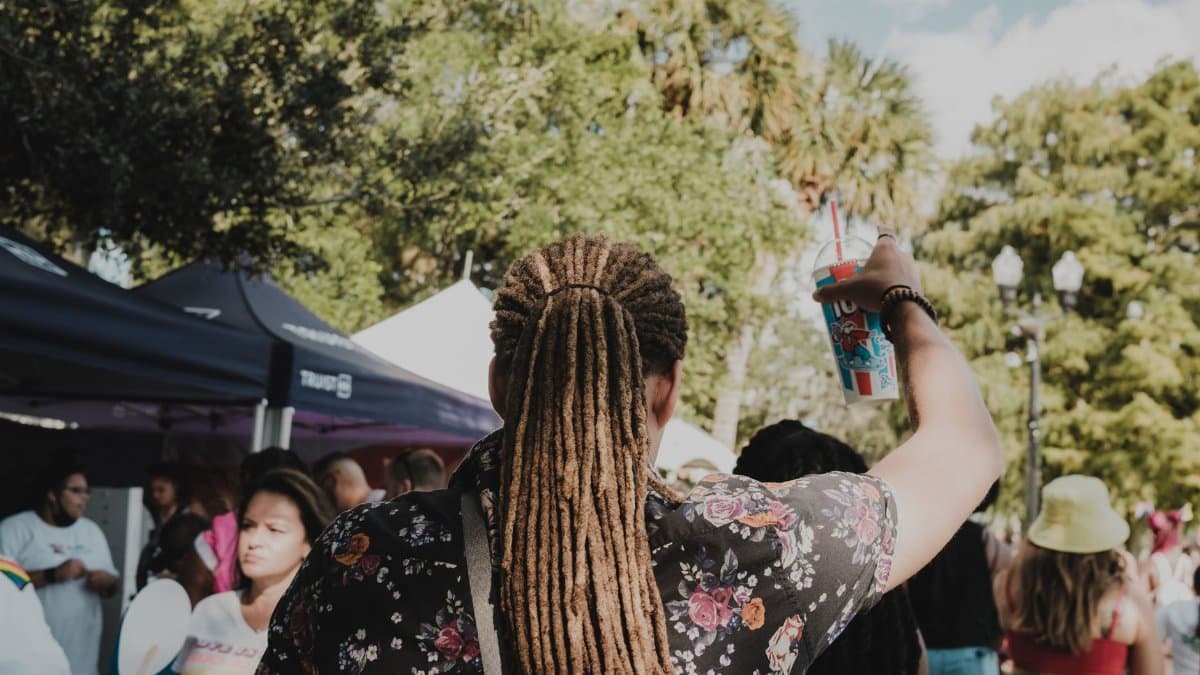
In the heart of the Pacific Northwest, summer brings together sports enthusiasts and history buffs in unexpected ways. Crowds fill parks and public squares to cheer on international matches while pausing to remember the end of slavery in the United States. This blend draws families from diverse backgrounds who seek both excitement and meaning. World Cup Juneteenth stands as a powerful example of how athletic events can enhance cultural observances, fostering dialogue across generations in cities like Seattle.
Roots of Dual Celebrations
Juneteenth marks the announcement of freedom for enslaved people in Texas back in 1865. Over time this date grew into a nationwide recognition of African American resilience. When paired with global soccer tournaments the result sparks fresh interest among residents who might otherwise overlook one or the other. Local organizers note rising attendance as word spreads about combined programs that honor heritage through shared viewing experiences.
Seattle Parks Transform Into Gathering Spots
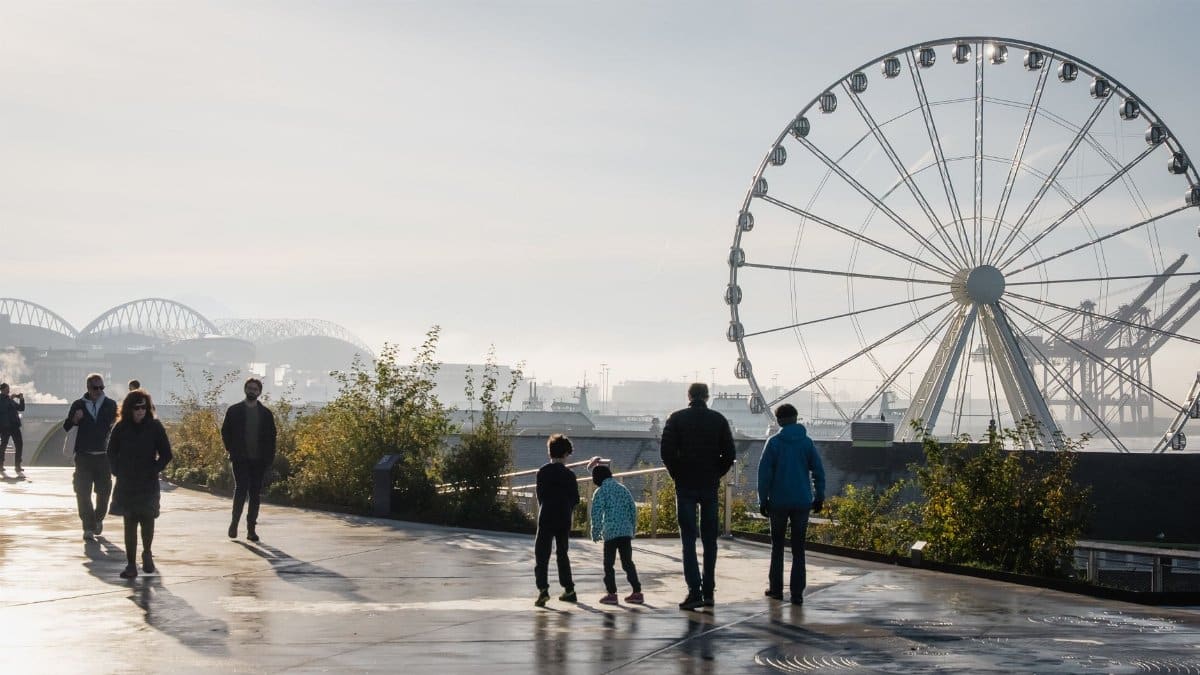
City spaces such as Cal Anderson Park and Gas Works Park host large screens for matches alongside exhibits on emancipation history. Attendees enjoy food trucks offering traditional dishes from both American South and international cuisines. Volunteers lead discussions between games to connect past struggles with present unity efforts. These setups encourage neighbors to linger longer and exchange stories.
Soccer as a Bridge Across Cultures
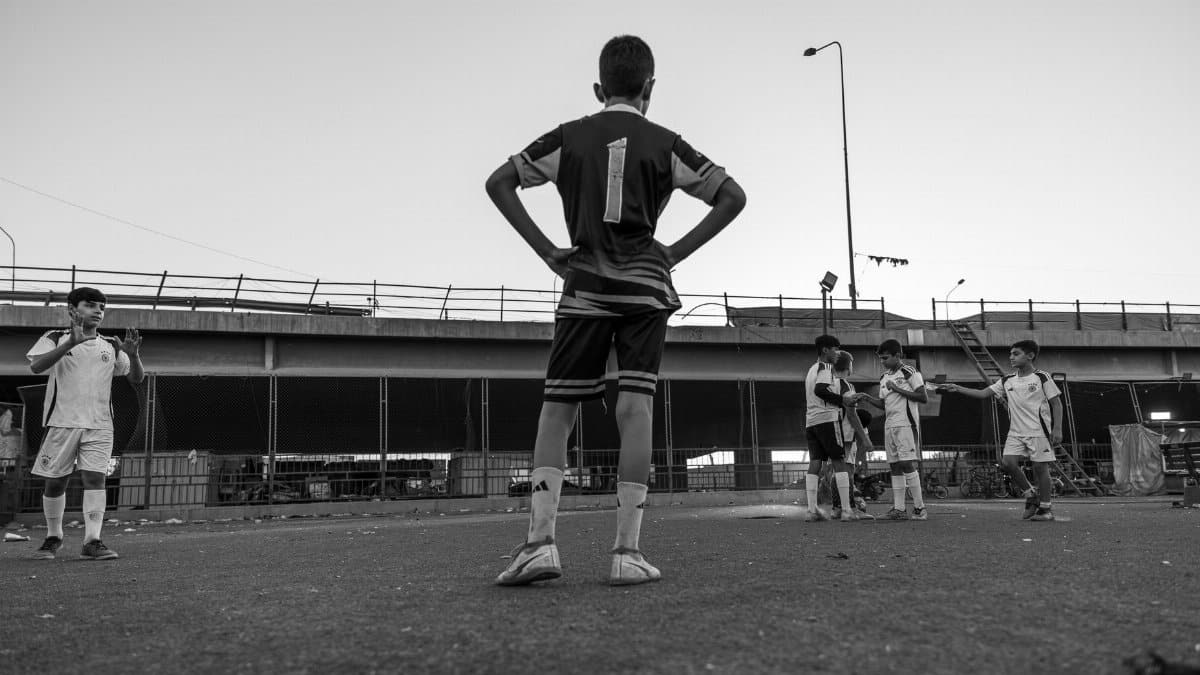
The sport attracts players and fans from every corner of the globe. In Seattle this international appeal aligns well with Juneteenth themes of liberation and progress. Teams composed of local youth often perform demonstrations that highlight teamwork and fair play. Such activities underscore how athletic pursuits can mirror broader quests for equality.
Family Programs Encourage Participation

Events include workshops where children learn about historical figures alongside basic soccer drills. Parents report that these sessions make abstract concepts tangible for young minds. Organizers design activities suitable for all ages to ensure broad involvement without barriers. Feedback shows increased awareness of both the holiday and the tournament among first time visitors.
Local Artists Contribute Creative Touches
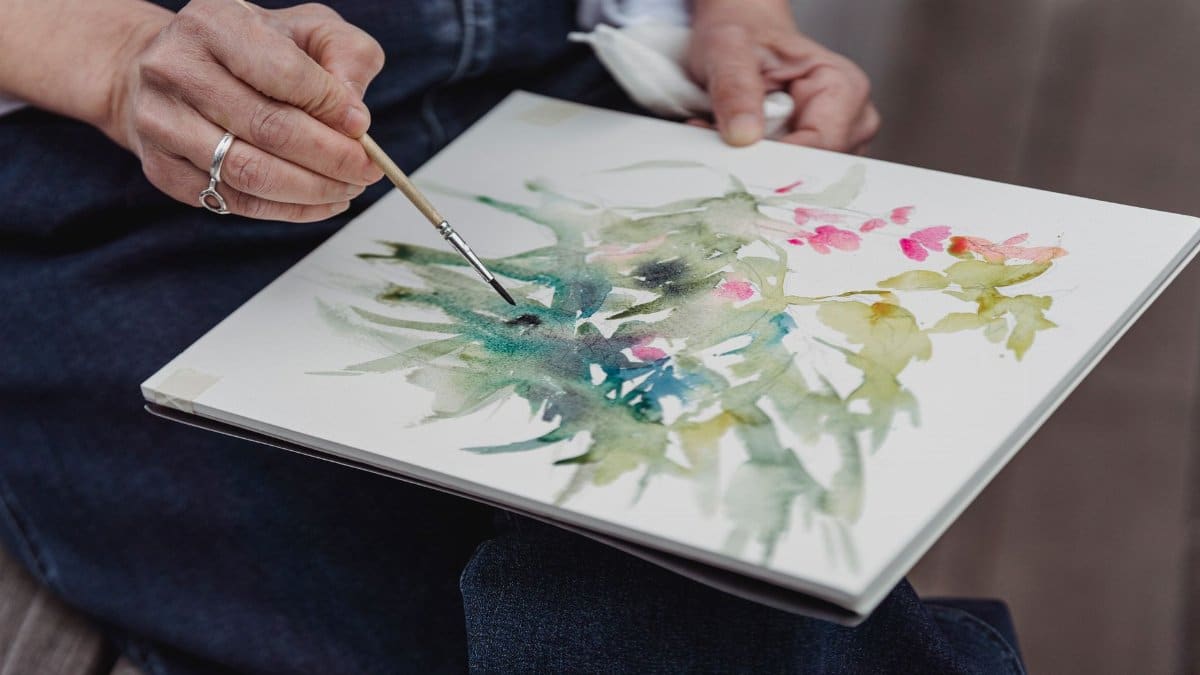
Murals and performances appear throughout festival grounds depicting scenes from freedom journeys and memorable goals. Musicians blend spirituals with upbeat rhythms to energize crowds during breaks in play. These artistic elements add depth and keep the atmosphere lively yet respectful. Collaborations with regional talents ensure authentic representation.
Economic Boost for Nearby Businesses
Vendors and restaurants see higher foot traffic during the combined observances. Sales of merchandise tied to both themes provide new revenue streams for small operators. City officials track these patterns to plan future expansions. The influx supports jobs and strengthens community ties in the process.
Challenges in Coordinating Large Events
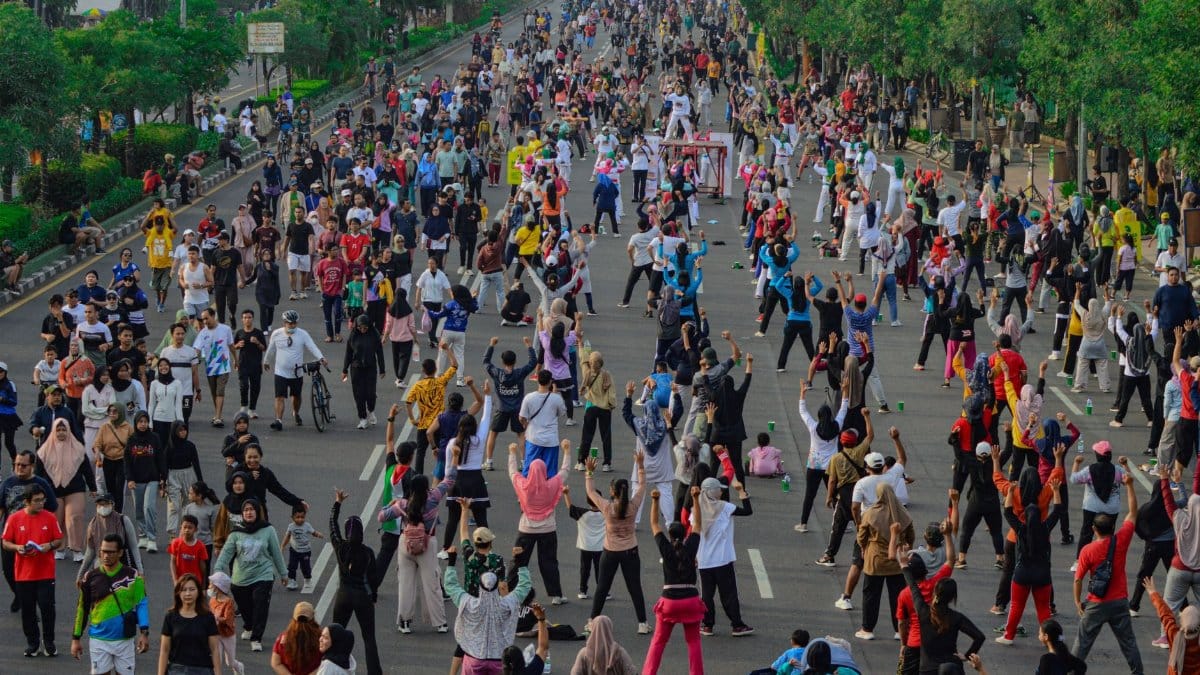
Logistics require careful timing to respect solemn moments amid celebratory cheers. Planners address transportation needs and weather contingencies through detailed preparations. Community input helps refine approaches each year based on prior lessons. Success depends on cooperation among multiple groups with shared goals.
Looking Ahead to Future Seasons

Organizers envision expanded programming that reaches more neighborhoods. Partnerships with schools and nonprofits aim to sustain momentum beyond single weekends. The model developed in Seattle offers ideas for other regions seeking similar fusions. Growth reflects ongoing commitment to inclusive public life.