
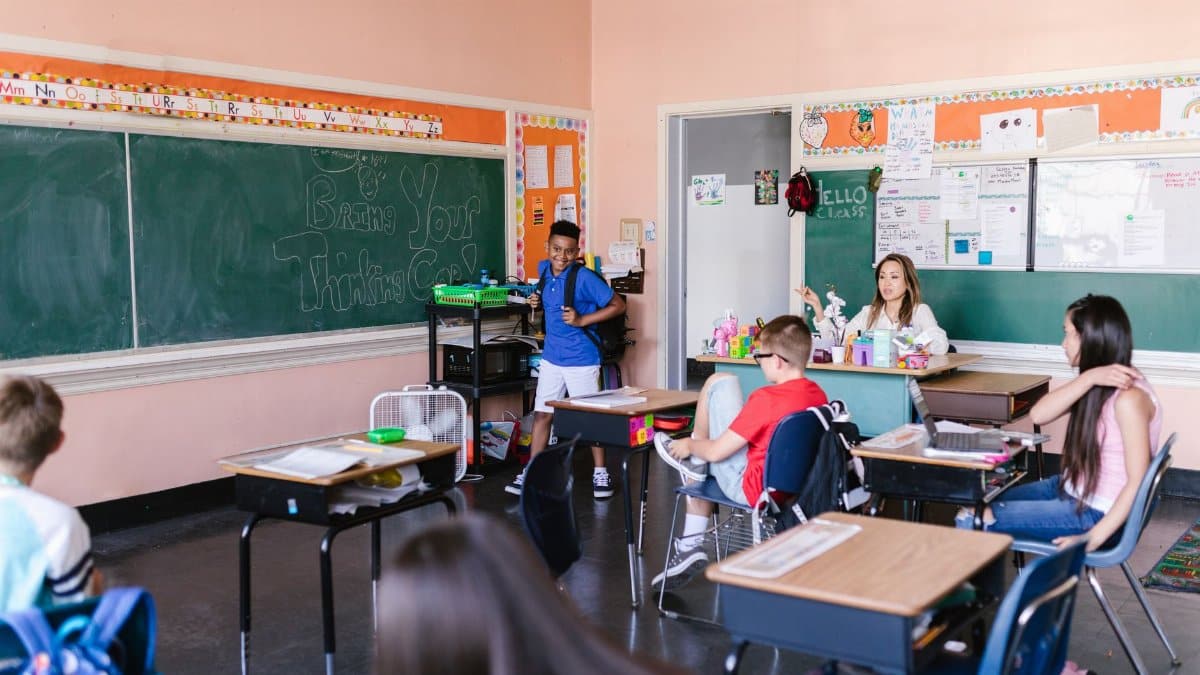
On the Sunday night before classes were set to begin, many Seattle parents were still refreshing their phones, unsure whether Monday would mean backpacks and bus stops or picket signs outside locked school doors. The uncertainty had built through a summer of talks, and it broke only when union members approved a new agreement that kept the first day of school on schedule. The Seattle teachers contract, ratified after a long season of bargaining, turned a threatened walkout into an ordinary opening morning.
A vote that kept the doors open
Ratification is a quiet act compared with a strike. Members read the language, weigh the raises against the hours they already give, and decide whether the document in front of them is good enough to live with for the next several years. In Seattle that decision arrived with almost no margin of calendar left. A no vote would have put the district on the edge of a first day stoppage, the kind of disruption that rearranges child care, work shifts, and the fragile confidence families place in a school system.
The approval did not erase the tension that produced it. It did something more practical. It told students they would meet their teachers on time, and it told those teachers that the district had put a number on paper after weeks of saying the budget could not stretch. For a city that has watched labor fights in ports, hospitals, and grocery stores, a school settlement can look smaller than it is. It is not smaller to a fifth grader who has already packed a lunch.
How close the walkout came
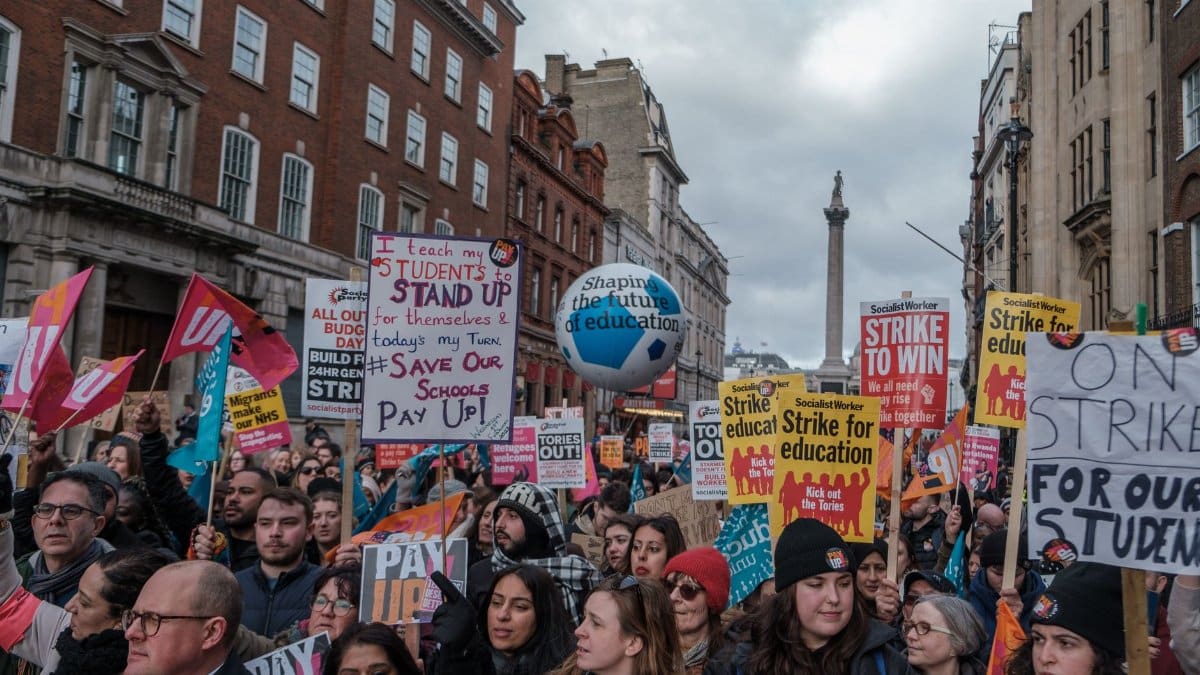
Thirty bargaining sessions is a long count. It suggests not a single dramatic night but a grind of proposals, counters, and rooms that empty later than anyone planned. Each session is a chance to narrow a gap or to discover that the gap is wider than the last exchange implied. By the end of that sequence, both sides understood that the alternative was not another meeting. It was a strike on the morning families expected bells to ring.
A first day strike has a particular sting. It is not a midyear pause that parents can absorb with a day off and a neighbor. It is the rupture of a ritual. New students do not know the building. Returning students do not know whether their teacher will be in the room or on the sidewalk. Administrators spend the weekend writing two plans, one for school and one for a shutdown. The ratification spared the city that split screen, narrowly, and only because members decided the deal was preferable to the picket.
Raises above 8.8 percent, and what they buy

The agreement includes raises above 8.8 percent over three years. On a household budget that number is not abstract. Rent in Seattle has not waited for contracts. Groceries have not waited. A teacher who coaches after school, tutors on weekends, or shares an apartment with two other adults hears a percentage as a question about whether the job can still be a life, not only a calling.
Three years is also a bet on inflation and on state funding that may not match local costs. A raise that looks solid in the signing year can feel thinner by the third if prices keep climbing. Union members know that arithmetic. They also know that walking away from a signed increase, in favor of an uncertain strike, carries its own cost in lost pay and public patience. The Seattle teachers contract sits in that trade, not in a fantasy of unlimited money.
District leaders, for their part, have to fund classrooms, transportation, special education, and buildings that age faster than bond campaigns. A settlement that satisfies the bargaining table can still strain the ledger. Readers should not treat the percentage as proof that either side won a clean victory. It is evidence that both sides found a number they could defend to the people who elected them or paid their dues.
What thirty sessions usually hide

Outsiders see the final press statement. Insiders see the drafts that never left the room. Class size language, planning time, pay for extra duties, and support for students who need more than a standard period all tend to consume as many hours as the salary schedule. A raise gets the headline because it is easy to print. The clauses about workload decide whether that raise feels like respect or like a bribe to keep doing two jobs.
Thirty sessions also mean thirty chances for misunderstanding. A proposal that sounds generous in a summary can shrink in the footnotes. A demand that sounds rigid in public can be a marker for something else the team actually needs. The length of the talks is not, by itself, a sign of bad faith. It is a sign that public education is a thick contract, written for thousands of employees and tens of thousands of children, and that thickness does not yield to a single weekend.
Families who planned for two Mondays

Parents in this city are used to logistics. They trade pickup shifts, they know which bus is late, they keep a spare folder of forms. A possible strike adds a different kind of planning. Some called relatives. Some asked employers for flexibility they did not really have. Some told children, carefully, that school might start a little later, then hoped they would not have to explain why.
When the vote came through, the relief was practical before it was political. Lunches could be packed. Alarms could be set. The argument about whether teachers are paid enough did not end, but it moved off the doorstep and back into the slower channels of school board meetings and state budgets. That is a better place for it. Children should not have to carry a labor dispute in their backpacks, even when the dispute is legitimate.
The classroom problems a contract cannot finish

A ratified deal can raise pay and clarify duties. It cannot, by itself, hire the specialists who are missing, shrink every crowded room, or repair the trust that frays when a student waits months for an evaluation. Seattle, like many large districts, has spent years talking about mental health, language support, and the uneven load carried by schools in poorer neighborhoods. Those problems survive the signature.
Teachers often say the contract is the floor, not the work. The work is the Tuesday afternoon when a lesson fails, the conference when a parent is scared, the week when a colleague leaves for a suburban district that pays more for a quieter caseload. If the new agreement slows that exit, it will have done something the percentage alone does not measure. If people still leave, the city will be back at the table sooner than the three year term suggests, regardless of what the document says about duration.
A civic pattern, not a local accident

Seattle is not the only district that has bargained to the edge of a school year. Across the country, teachers have used the threat of a walkout to force conversations that budget hearings tend to soften. The pattern is familiar enough that some readers treat it as theater. It is not theater to the people who would lose wages, or to the families who would lose days. It is a blunt instrument in a system where the quieter instruments, including state formulas and local levies, often fail to keep up with the cost of living where the jobs actually are.
There is a fair critique on the other side. Strikes in public schools land on children who did not choose the fight. Union leaders know that, which is why so many of these conflicts end in the final week rather than the final hour, and why ratification campaigns emphasize stability as much as gains. The Seattle teachers contract belongs to that national rhythm: pressure, deadline, vote, and then the harder task of making the words match the building.
What the district owes the public now
Approval is not implementation. Pay scales have to be coded. Extra assignments have to be posted. Principals have to explain, in plain language, what changed and what did not. Families deserve that explanation without jargon. They also deserve an honest account of what the settlement costs and what programs, if any, will be tighter because of it. Silence after a close call breeds the next close call.
Union leaders owe a parallel honesty. A deal that averts a strike can still disappoint members who wanted more on class size or on support staff. Pretending the document is a triumph, when many voters treated it as the least bad option, insults the people who just ratified it. The healthier message is simpler. This is what we could get. This is what we will keep fighting for in the buildings and in the next round.
Trust, thin as it is

Schools run on a kind of ordinary faith. Parents hand over their children. Teachers accept a public duty that no contract fully prices. Students assume the adults have settled the adult arguments. That faith is not spiritual in a church sense, but it is not nothing. It is the belief that a city can keep a promise between Labor Day and June.
A near strike tests that belief. Some families will remember the weekend of doubt longer than they remember the raise. Some teachers will remember how close they came to standing outside the school they love. The useful response is not amnesia. It is a plainer record of what was agreed, what was deferred, and what the next budget must not ignore.
The year that actually starts

Monday, in the end, looked like school. Hallways filled. Names were called. A few parents lingered at the door longer than usual, as if checking that the building was real. The arguments that filled thirty sessions did not vanish when the vote was counted. They went inside, where they belong, into lesson plans and staff meetings and the slow work of a year.
The Seattle teachers contract will be judged less by the headline that announced it than by whether people stay, whether classrooms feel manageable, and whether the next opening week arrives without a countdown to a walkout. For now, the city has its first day. That is a modest outcome. Given how close the alternative came, modest is worth having.