
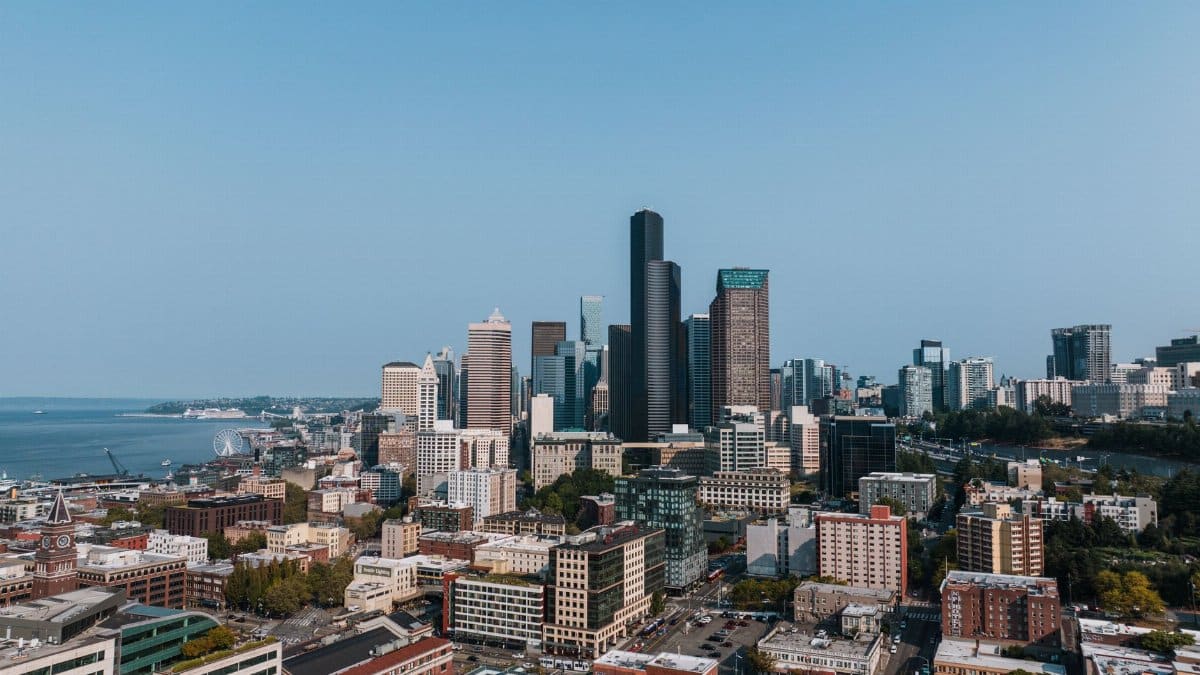
Recent census figures reveal an unexpected shift in urban migration patterns across the Pacific Northwest. While Seattle once drew thousands of newcomers each year seeking technology jobs and scenic surroundings the pace has changed markedly. The Seattle Population Slowdown appears in fresh data showing just zero point eight percent growth for two thousand twenty six bringing the total to roughly eight hundred twenty three thousand four hundred residents. This development raises questions about housing demand job markets and the future character of the city itself. Observers note that fewer people are arriving from other states even as some longtime locals consider moves elsewhere.
Historical Patterns of Migration to the Region

For decades the area attracted ambitious professionals drawn by expanding industries and natural beauty. Earlier decades saw steady inflows that supported construction of new neighborhoods and transit lines. Those arrivals helped build a vibrant economy centered on software aerospace and trade. Yet recent tallies indicate the momentum has eased with net domestic migration turning closer to flat. Local analysts point to rising living costs and remote work options as factors that let people choose smaller communities instead.
Economic Pressures Influencing Resident Decisions

Housing prices remain elevated compared with many other metropolitan areas. Combined with limited inventory this situation leads some families to look toward suburbs or different states entirely. Employment in key sectors stays robust but the overall appeal has softened for those weighing total expenses against quality of life. Business leaders watch these trends closely since slower population gains can affect future office demand and consumer spending.
Impact on Local Housing Markets and Development

Builders have adjusted plans in response to softer demand signals. Some projects face delays while others shift focus toward smaller units or rental options. The Seattle Population Slowdown may ease pressure on certain neighborhoods yet it also complicates efforts to fund infrastructure through growth related revenues. City planners now review earlier projections that assumed continued rapid expansion.
Changes in Domestic Migration Flows

Data from state and federal sources show reduced arrivals from California and other high cost states. At the same time outflows to places like Idaho and Arizona have increased modestly. Remote work arrangements play a role allowing employees to retain Seattle positions while living elsewhere. This redistribution alters the composition of the remaining population with implications for schools and public services.
Role of Technology Sector in Shaping Trends

The technology industry continues to anchor the regional economy yet hiring has moderated after earlier surges. Major employers report steadier rather than explosive headcount growth. Such stabilization contributes directly to the Seattle Population Slowdown by reducing the number of new positions that once pulled talent from across the country. Industry observers expect this pattern to persist as companies refine their expansion strategies.
Effects on Public Services and Infrastructure Planning
Schools transportation agencies and utilities rely on population forecasts to allocate resources. With slower growth some capital projects may be scaled back or postponed. Officials emphasize the need for flexible planning that accounts for possible continued moderation in resident numbers. This approach helps avoid overbuilding while still addressing current needs.
Comparisons With Other West Coast Cities

Portland and San Francisco show somewhat similar moderation in recent counts though each market carries distinct drivers. Seattle stands out for its combination of strong industry concentration and high housing costs. The Seattle Population Slowdown therefore offers a useful case study for urban economists tracking post pandemic settlement patterns nationwide.
Future Outlook and Policy Considerations

City leaders consider incentives to retain residents and attract targeted industries. Discussions include improvements to transit affordability measures and quality of life amenities. The Seattle Population Slowdown is not viewed as a crisis but rather as a signal to adapt strategies for sustainable long term prosperity. Continued monitoring will help determine whether the current pace represents a new normal or a temporary adjustment.