
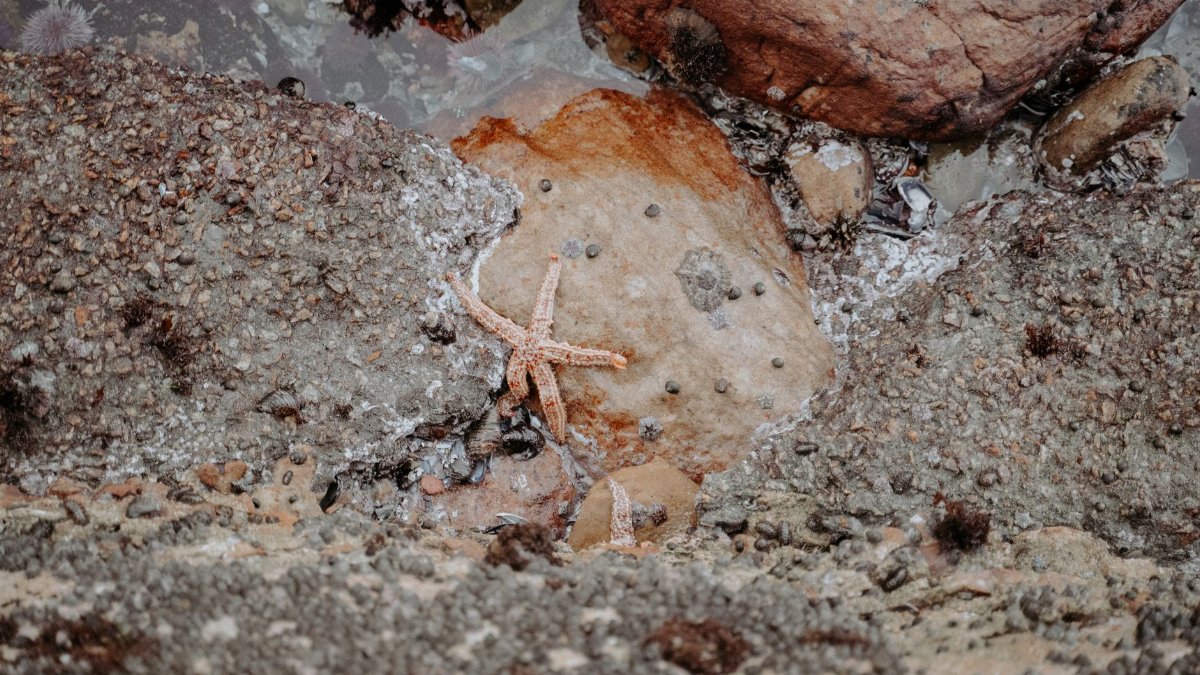
When the waters along Puget Sound pull back farther than usual, a hidden realm of creatures comes into view on the rocky shores. Residents and visitors alike venture out with boots and curiosity to witness this rare sight. Seattle Low Tides create opportunities for close encounters with marine life that normally stays submerged. The experience offers a glimpse into coastal ecosystems shaped by natural rhythms and lunar cycles. People return home with stories of vibrant colors and unexpected discoveries amid the exposed seabed. Such events draw attention to the delicate balance in these waters near a major city.
Causes of Extreme Tidal Shifts in the Region
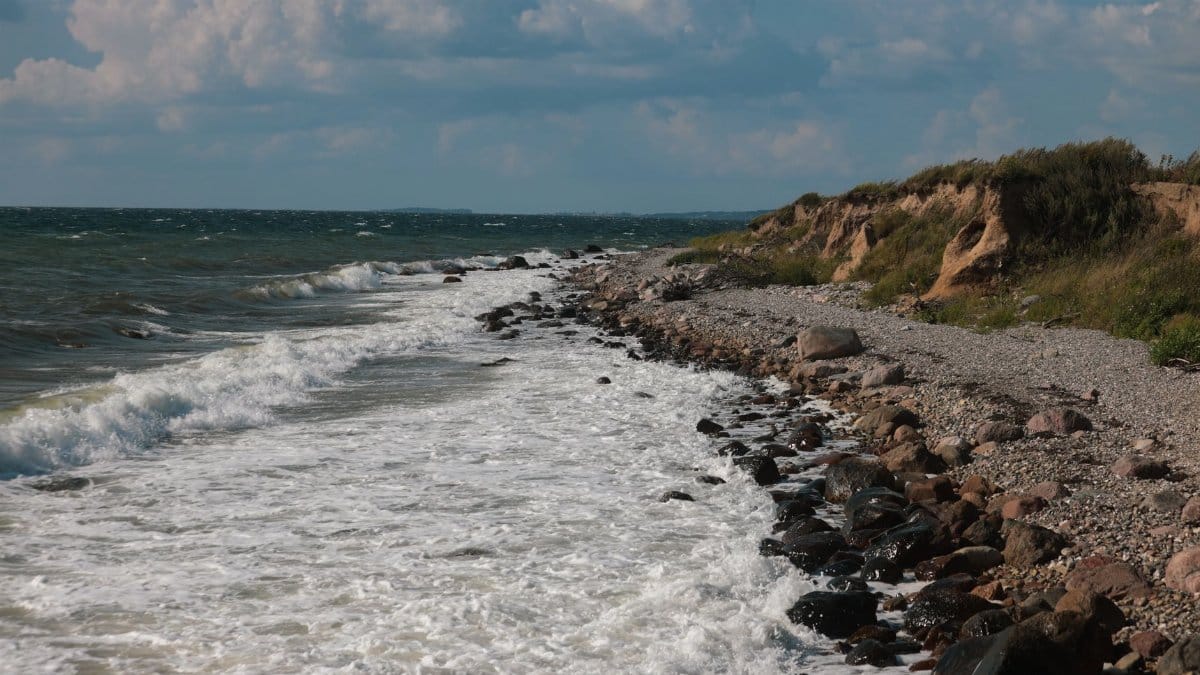
The alignment of sun and moon plays a central role in producing lower water levels at certain times of year. Local geography amplifies this effect in the narrow inlets around Seattle. Scientists track these patterns through precise measurements to predict when the seabed will be most exposed. Weather conditions can add to the drop in water height during calm periods.
Creatures Revealed on the Exposed Shores
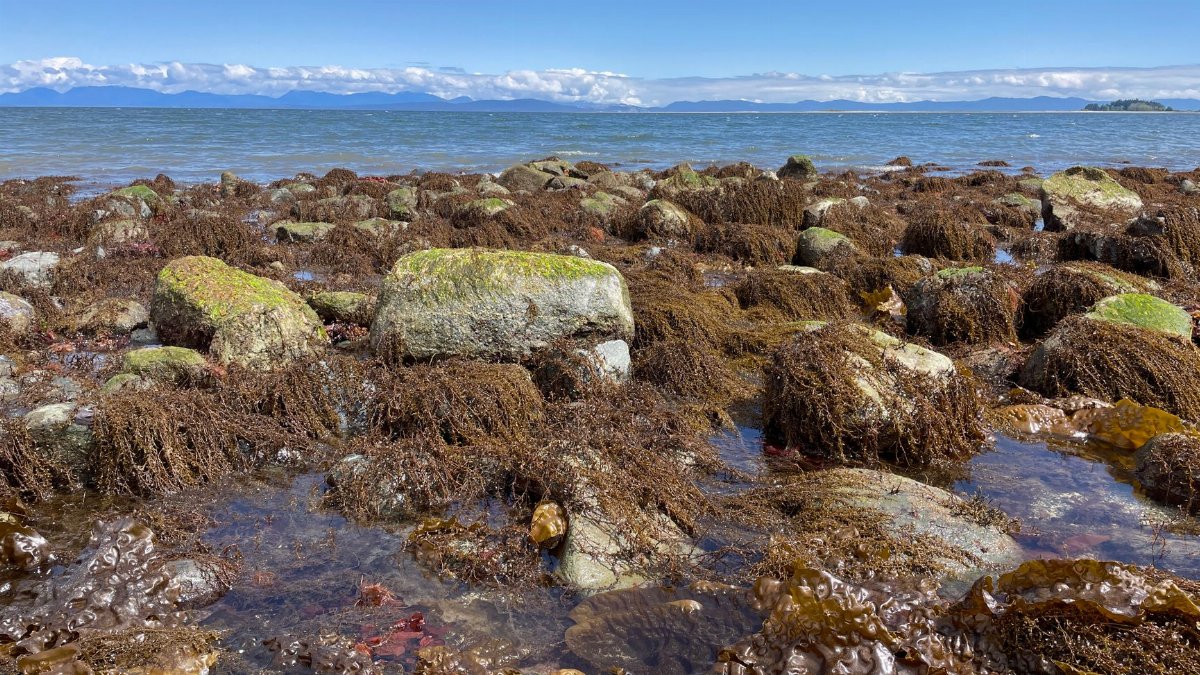
Starfish cling to rocks in shades of orange and purple while sea anemones wave their tentacles in shallow pools. Crabs scuttle across the wet surfaces searching for food left behind by the receding water. Small fish dart between crevices as observers step carefully to avoid disturbing the scene. These animals adapt to brief periods without cover from the waves.
Best Times to Witness the Phenomenon

Winter months often bring the most pronounced drops due to seasonal alignments. Checking tide charts in advance helps plan visits during daylight hours for safety. Early morning outings tend to coincide with peak exposure before the water returns. Local groups organize guided walks to share knowledge about safe practices.
Ecological Importance of These Periodic Events

The exposure allows for natural cleaning of the intertidal zones and supports diverse species interactions. Researchers note how these cycles influence food chains and breeding habits among shoreline residents. Changes in frequency could signal broader shifts in ocean conditions over time. Public interest helps fund monitoring programs that track population health.
Visitor Guidelines for Responsible Exploration
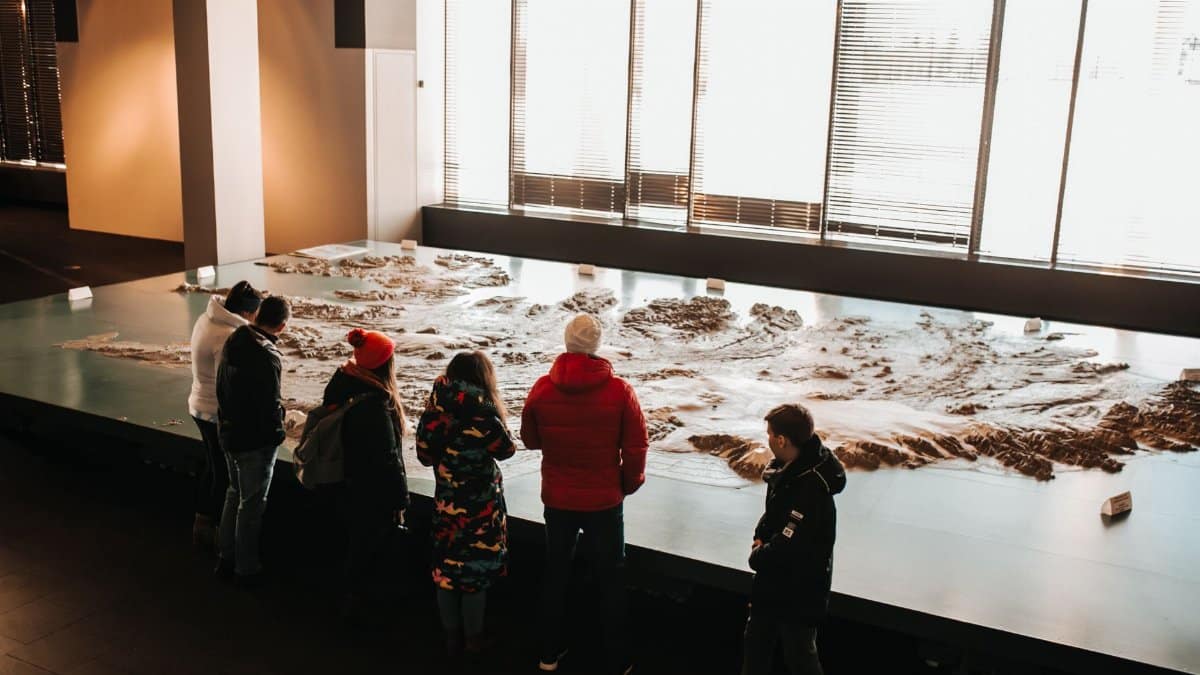
Staying on designated paths protects fragile habitats from unnecessary damage. Touching animals is discouraged to prevent stress or transfer of oils from human skin. Bringing along a field guide enhances appreciation without relying on digital devices in wet conditions. Leaving no trace ensures future generations can enjoy similar scenes.
Community Events Tied to Coastal Discoveries
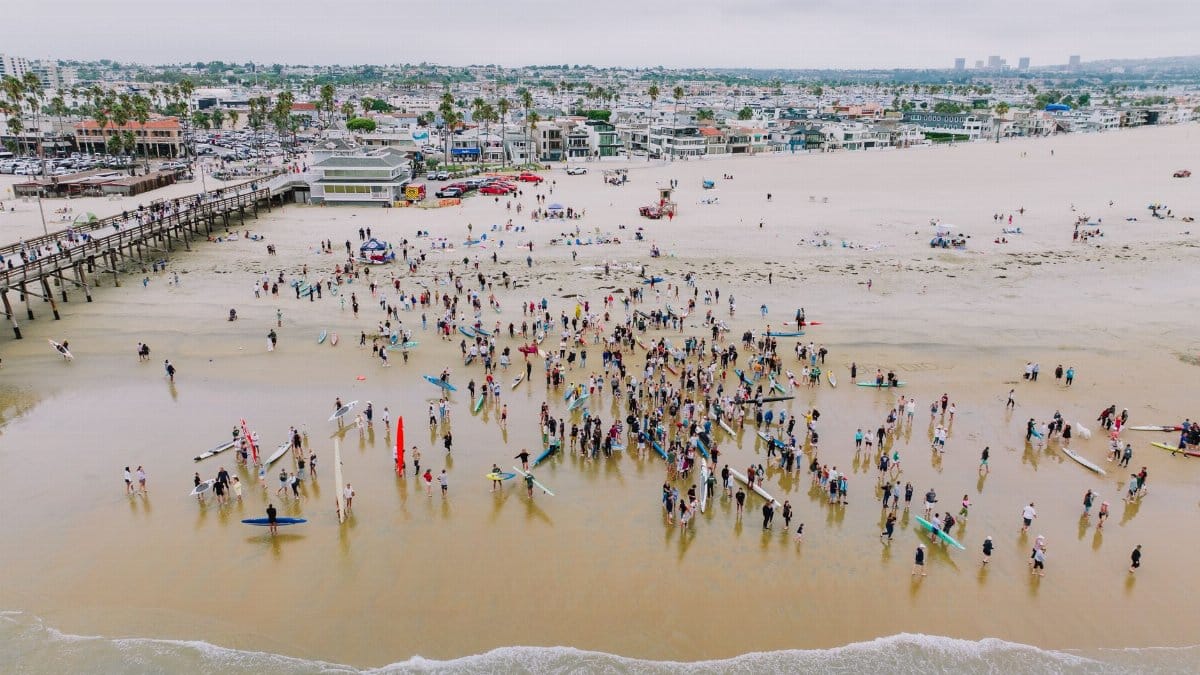
Local organizations host sessions where families learn about marine biology through direct observation. These gatherings foster a sense of connection to the environment amid urban surroundings. Artists sometimes capture the scenes in sketches or photographs for exhibits. Such activities blend education with quiet reflection on natural wonders.
Historical Accounts of Notable Low Water Periods
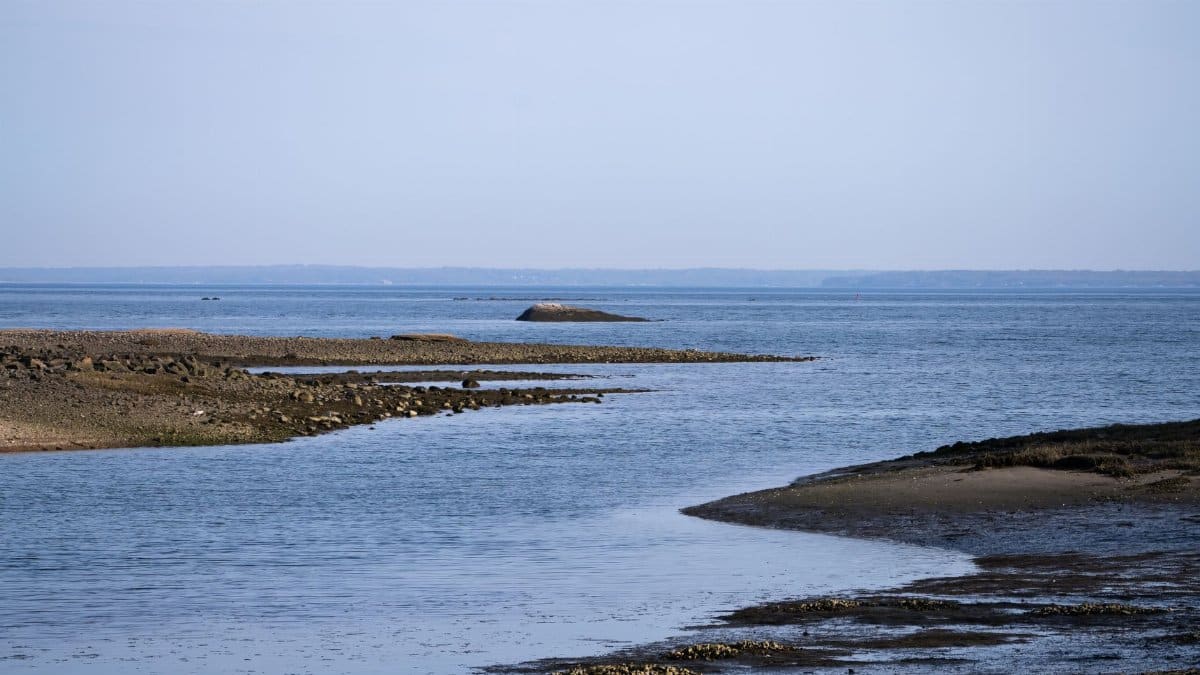
Records from past decades describe similar exposures that surprised early settlers in the area. Indigenous knowledge passed down through generations highlights patterns observed long before modern tools existed. These accounts provide context for current scientific data and enrich understanding of continuity in the landscape.
Future Outlook for Coastal Access and Awareness

Rising awareness encourages support for conservation efforts along developed shorelines. Educational programs in schools incorporate lessons from these natural displays to inspire stewardship. Ongoing studies aim to refine predictions and inform policies that safeguard the revealed ecosystems. Public engagement remains key to preserving access for all.