
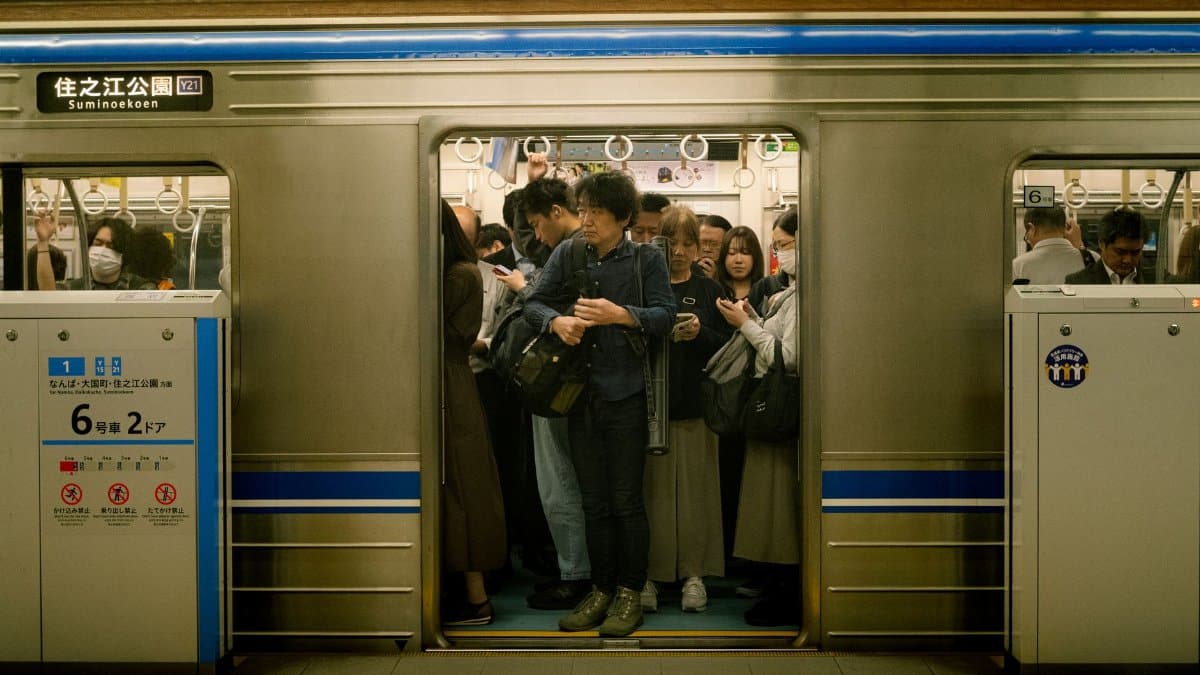
In the heart of the Pacific Northwest, where ferries glide across misty waters and office towers pierce the skyline, daily routines have undergone a profound shift. Many residents who once navigated crowded highways and packed buses now log in from spare bedrooms or kitchen tables. This development highlights Seattle commute changes that have altered the rhythm of the city since the onset of widespread remote arrangements. The result is a quieter downtown during peak hours and a reevaluation of how people balance professional demands with personal time.
Evolution of Work Habits in the Region

Before recent years, the typical Seattle professional followed a predictable path from suburban homes to central business districts each morning. Surveys from local transportation authorities reveal that a substantial portion of the workforce has moved away from that pattern. Employees cite greater flexibility and reduced stress as primary reasons for staying closer to home. Companies have adapted by offering hybrid schedules that limit the need for full time office presence. This adjustment reflects broader national trends but carries unique weight in a city known for its tech sector influence.
Impact on Public Transportation Systems
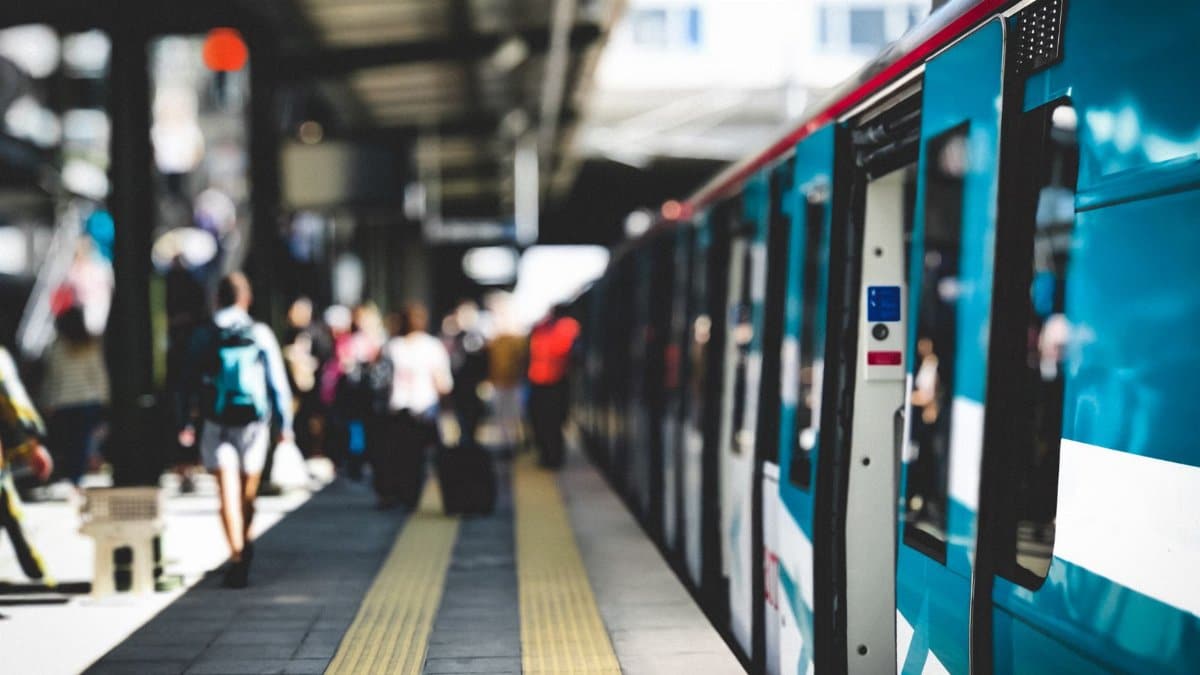
Transit agencies have recorded lower ridership on key routes connecting residential areas to employment centers. Bus and train schedules have been adjusted to match the new demand levels. Some routes now operate with fewer vehicles during traditional rush periods. Officials note that revenue shortfalls have prompted discussions about service modifications. Riders who continue to use these options report smoother journeys with less crowding. The changes underscore how Seattle commute changes extend beyond individual choices to affect entire networks that support urban movement.
Economic Consequences for Local Businesses
Downtown retailers and restaurants that relied on foot traffic from commuters have faced declining sales. Establishments near transit hubs report fewer midday customers compared to earlier periods. Property owners in commercial zones have seen shifts in occupancy rates as some firms reduce their physical footprints. At the same time, neighborhoods outside the core have gained from increased daytime activity. Cafes and shops in residential districts benefit from professionals who once spent hours traveling. These patterns show the uneven distribution of effects tied to Seattle commute changes.
Environmental Benefits from Reduced Travel

With fewer vehicles on the roads, air quality measurements have improved in certain corridors. Emissions data collected by regional agencies indicate modest declines in pollutants associated with daily commutes. Parks and green spaces near former bottleneck areas experience less noise and congestion. Advocates for sustainability view these outcomes as steps toward long term climate goals. However, some experts caution that the gains could diminish if commuting rebounds. The situation illustrates how Seattle commute changes intersect with efforts to create cleaner urban environments.
Challenges for Urban Planning Efforts

City planners must now account for altered usage of infrastructure built for higher volumes of daily travel. Road maintenance priorities have shifted as wear patterns change. Housing developments in outlying areas face new questions about access to services without traditional transit reliance. Discussions continue around incentives to encourage occasional office visits while preserving flexibility. These adjustments require careful balancing of growth projections with current realities shaped by Seattle commute changes.
Responses from City Officials
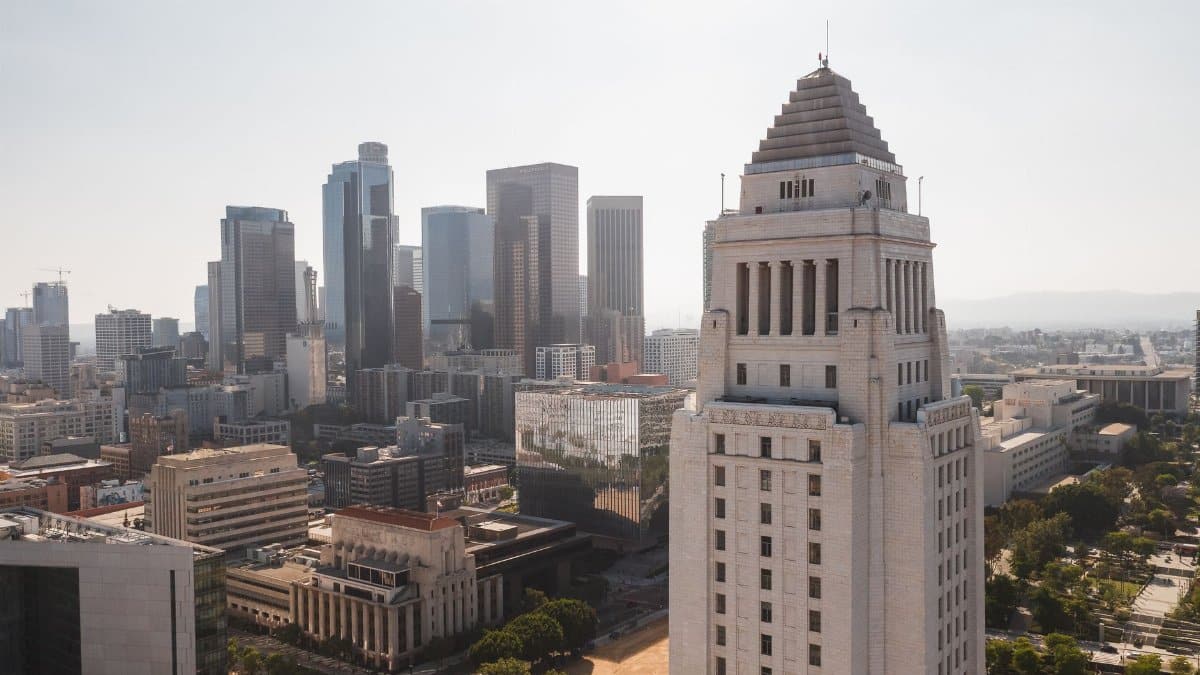
Leaders at municipal and county levels have convened task forces to study ongoing trends. Proposals include expanded broadband access in underserved neighborhoods to support remote work. Some advocate for revised zoning rules that allow mixed use developments closer to where people live. Public forums have drawn residents eager to share experiences with the new normal. Officials emphasize data driven approaches drawn from sources such as the Seattle Times analysis at https://www.seattletimes.com/seattle-news/data/. Their focus remains on adapting policies to the reality of Seattle commute changes.
Future Projections for Mobility
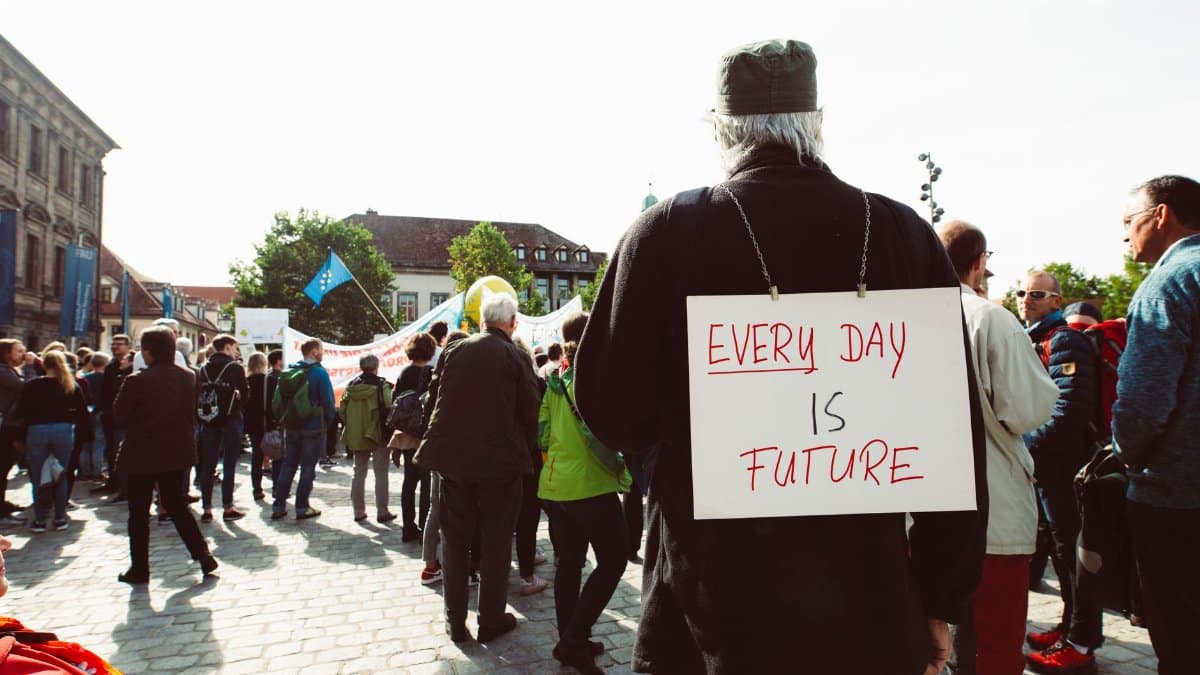
Analysts anticipate that partial returns to offices may occur gradually as economic conditions evolve. Technology firms continue to experiment with collaborative tools that reduce the necessity for in person meetings. Investments in alternative transport modes such as bike lanes and pedestrian paths could gain momentum. Long range models suggest sustained lower commuter volumes unless major policy shifts intervene. The trajectory will depend on employer decisions and employee preferences alike.
Comparisons with Other Major Cities

Similar patterns appear in places like San Francisco and Boston where tech and professional services dominate. Those regions also report drops in peak hour travel and adaptations in commercial real estate. Seattle stands out for its geography that includes water crossings and hilly terrain which complicate some alternatives. Lessons from peer cities may inform local strategies. Across these examples the common thread remains the lasting imprint of Seattle commute changes on daily life.