
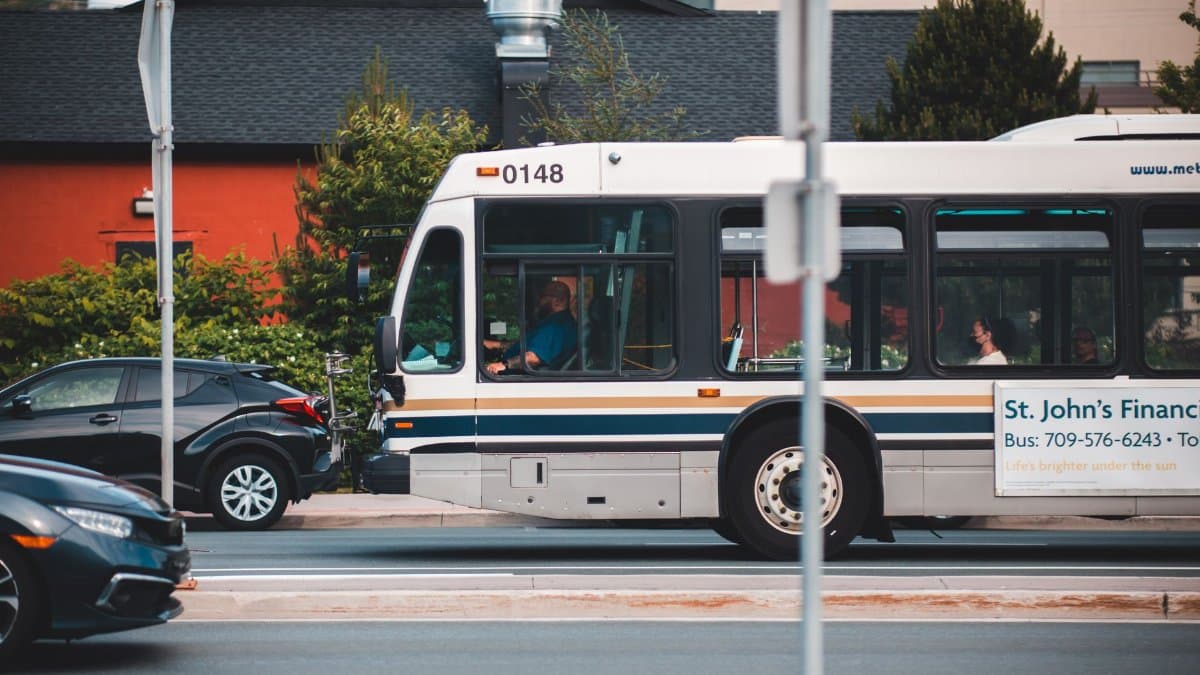
Seattle has moved forward with infrastructure changes meant to reduce delays for one of its most used transit lines. City leaders approved dedicated pavement markings and barriers along a stretch of Denny Way to give buses priority during peak hours. These improvements target chronic timing problems that have frustrated riders for years. The project introduces Seattle Red Bus Lanes as a practical response to growing demand for reliable service. Officials expect the changes to cut travel times noticeably while preparing the corridor for increased visitors in coming years.
Origins of Persistent Delays on Route Eight
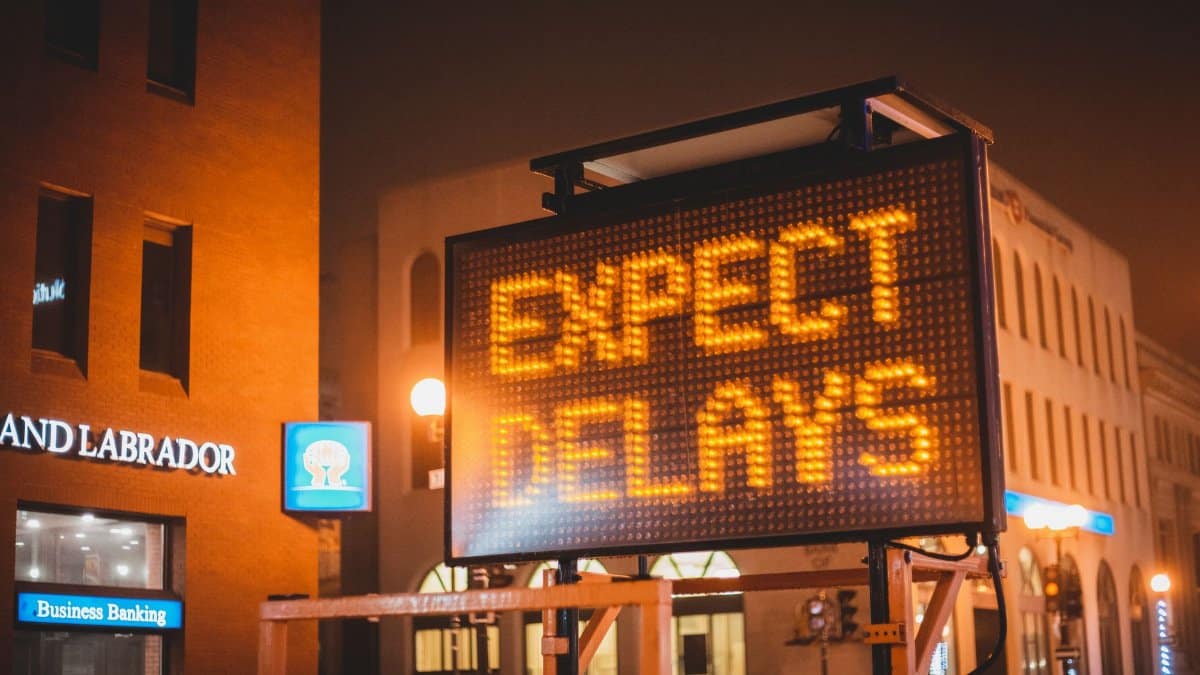
Route Eight travels through dense neighborhoods where mixed traffic often slows progress to a crawl. Buses share lanes with cars and delivery vehicles making frequent stops. Data collected over multiple years showed average speeds dropping well below targets during morning and evening rushes. Planners reviewed schedules and rider reports before settling on physical separation as the most direct fix.
Scope of the Lane Additions Along Denny Way
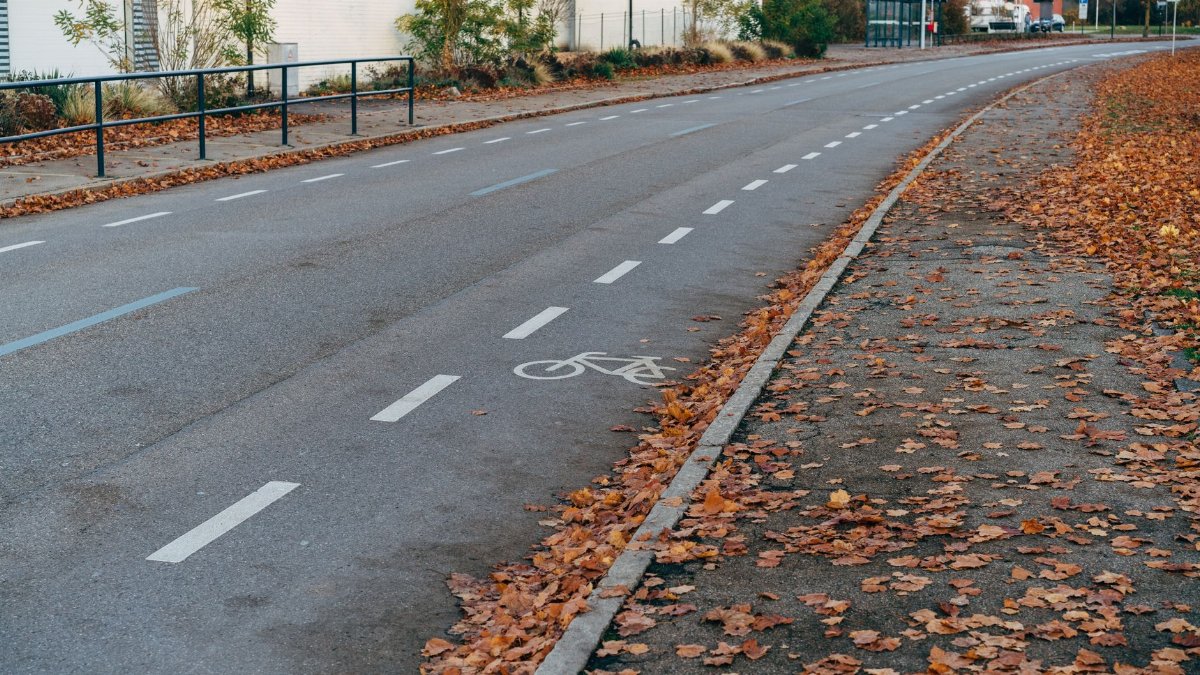
The new markings cover thirteen blocks in both directions. Red paint will alert drivers to the restricted zones while raised curbs and flexible posts discourage intrusions. Work crews will complete the installations in phases to limit disruption to nearby businesses. Coordination with utility providers ensures underground lines remain accessible during and after construction.
Link to Preparations for Global Gatherings

Seattle anticipates large crowds during the two thousand twenty six World Cup matches hosted in the region. Reliable transit options become essential when streets fill with spectators and event staff. Leaders view the red lanes as part of a wider package of upgrades designed to keep the city moving smoothly under pressure.
Effects on Daily Commuters and Local Businesses
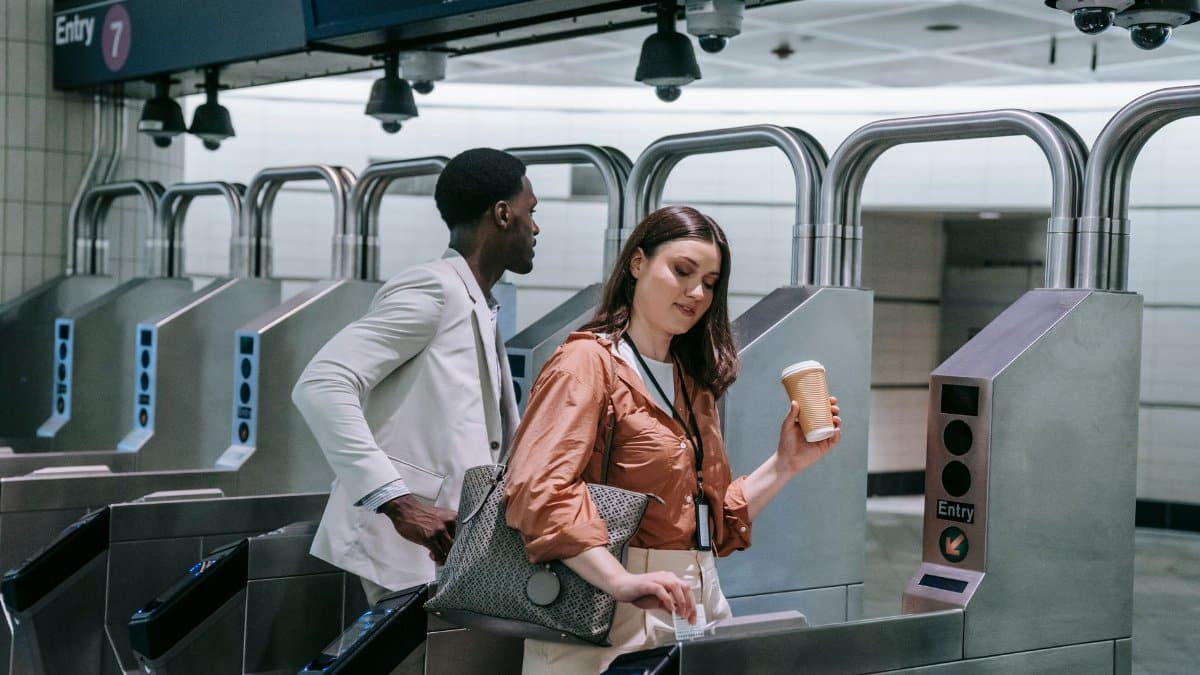
Regular riders stand to gain shorter waits and more predictable arrivals at work or appointments. Delivery services may need to adjust routes around the restricted areas yet overall traffic throughput could improve once buses clear intersections faster. Shop owners along the corridor have expressed cautious optimism provided access for customers remains convenient.
Comparison with Successful Programs Elsewhere

Other American cities have reported strong results after installing similar colored lanes on high volume corridors. Travel time savings often reach double digits once enforcement and public awareness campaigns take hold. Seattle officials studied those examples when designing signage and education materials for local drivers.
Environmental and Health Advantages

Faster bus service encourages more residents to leave personal vehicles at home. Reduced engine idling translates into lower emissions along the corridor and quieter streets for nearby residents. Health researchers note that consistent transit access also supports physical activity through walking to stops.
Enforcement Measures and Driver Education
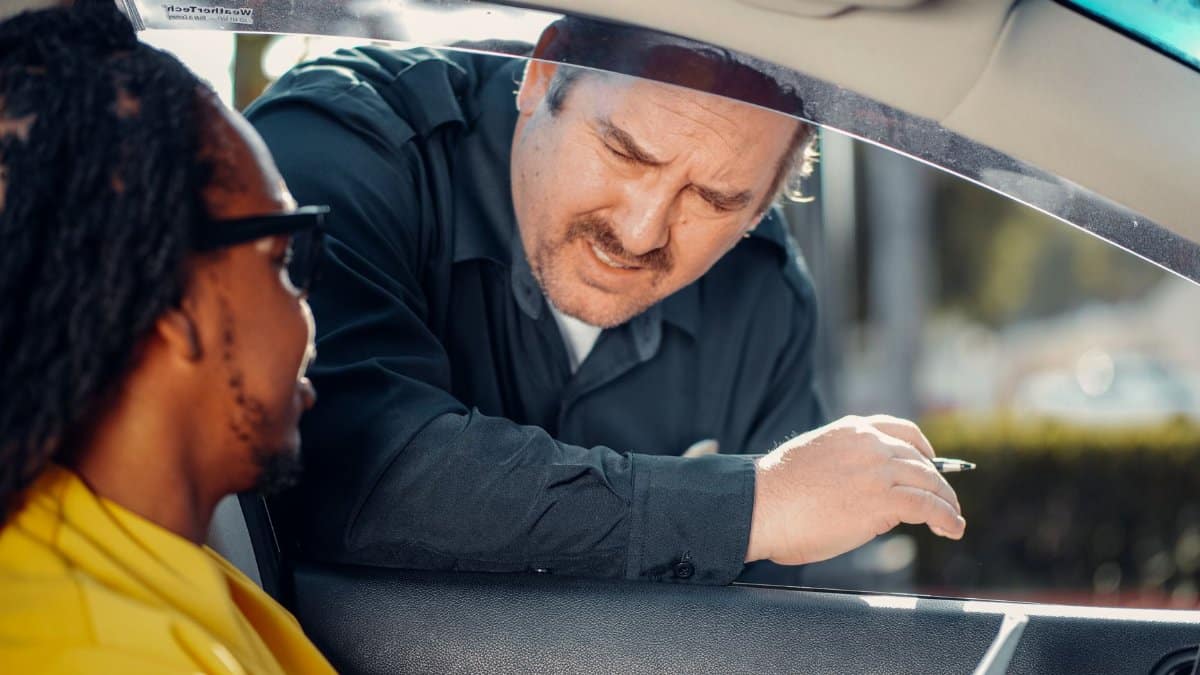
City transportation staff will monitor compliance through cameras and periodic patrols. Fines for unauthorized use of the lanes begin at modest levels and rise with repeated violations. Outreach teams plan community meetings and digital notices to explain the rules before full operation begins.
Costs and Funding Sources for the Project

The initiative draws from local transportation levies and state grants aimed at congestion relief. Budget documents list pavement markings, signage and barrier installation as primary expenses. Long term maintenance will rely on existing street operations allocations.
Public Input and Adjustments During Planning

Earlier drafts of the plan drew comments from neighborhood groups concerned about parking loss and emergency vehicle access. Designers responded by preserving turn pockets at key intersections and adding reflective indicators for night visibility. The final version reflects several rounds of such revisions.
Prospects for Additional Corridors in Coming Years
If performance data meets expectations planners intend to identify other routes where red lanes could deliver similar gains. Candidate segments include portions of Madison Street and Aurora Avenue where ridership has climbed steadily. Expansion decisions will follow detailed before and after studies.