
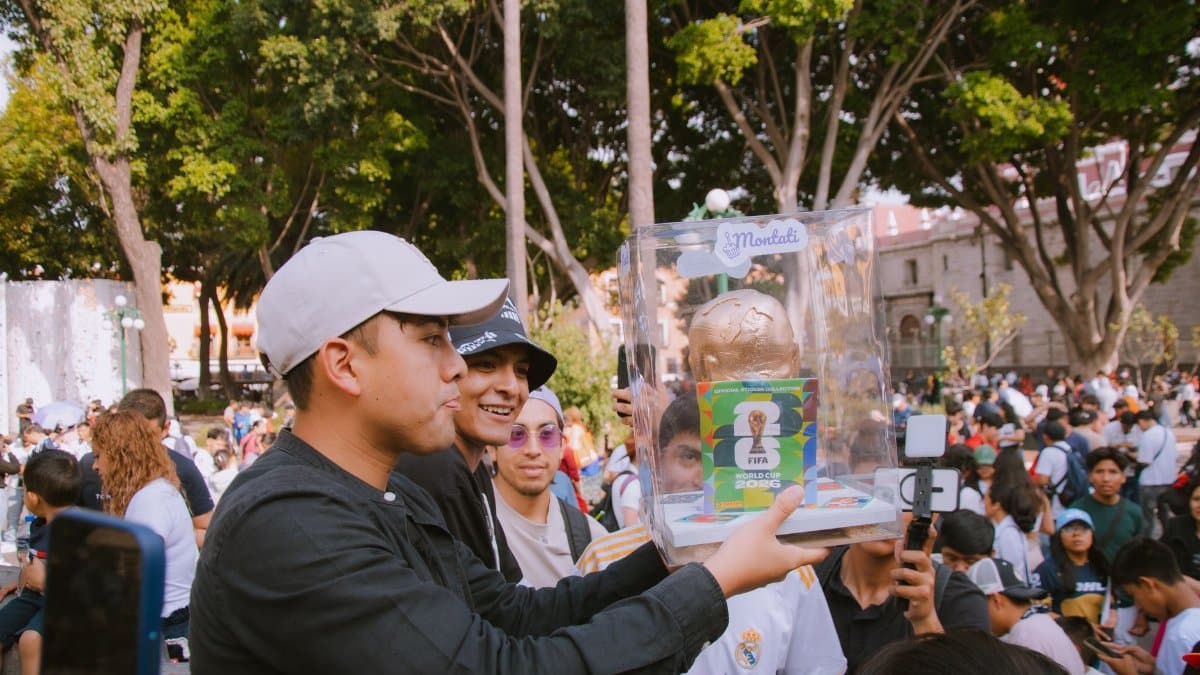
In the bustling streets of Los Angeles families crowded around television screens as Mexico advanced deep into the latest World Cup tournament. Elders recounted tales from earlier eras while younger viewers absorbed every moment of play. Such gatherings revealed how the event stirred deeper connections across generations. World Cup Mexican American roots surfaced through these collective moments of pride and reflection blending heritage with everyday American life.
Early Arrivals and Soccer Fields
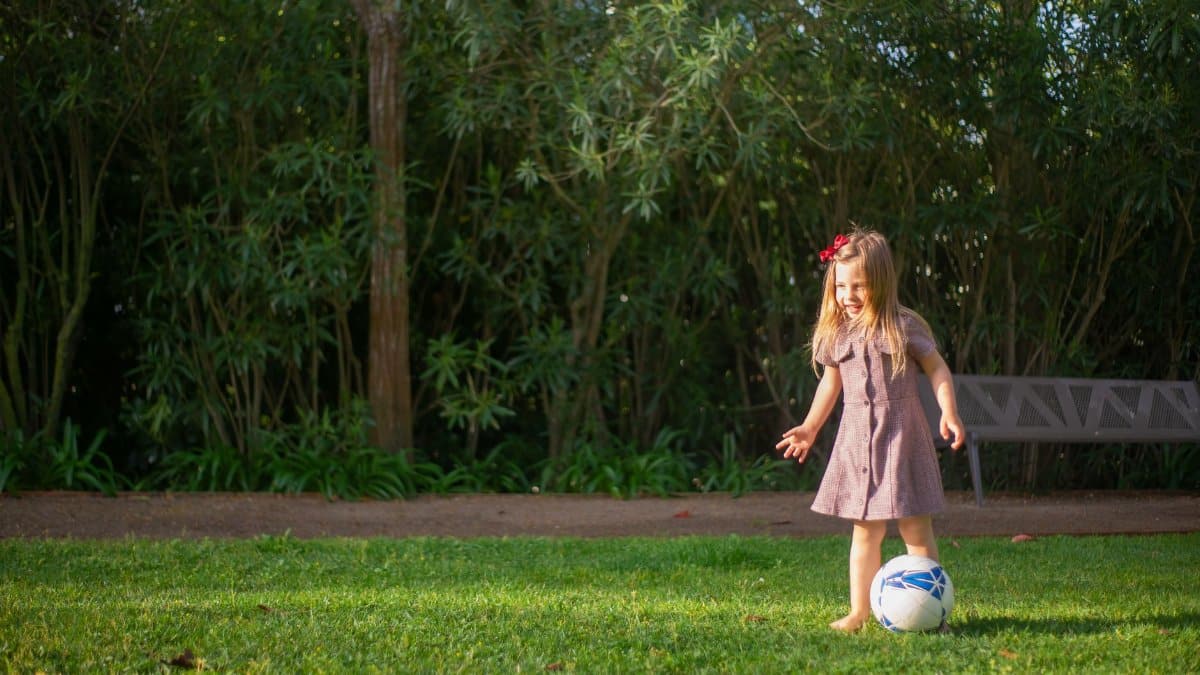
Mexican migrants brought their passion for the sport to the United States in the early twentieth century. They formed teams in California and Texas using makeshift pitches in parks and empty lots. These games became vital social outlets fostering friendships and preserving language among newcomers adjusting to new surroundings.
Family Traditions Across Borders
Parents often passed down jerseys and match memories to their children creating bonds that spanned nations. Sunday viewings turned into rituals where recipes from both sides of the border appeared on tables. These practices helped sustain a sense of continuity even as daily routines emphasized assimilation.
Media Coverage Shapes Awareness
Spanish language broadcasts expanded reach allowing more households to follow matches without barriers. Commentators highlighted players with similar backgrounds inspiring pride in younger audiences. Coverage also drew attention to community events that celebrated cultural milestones tied to athletic success.
Community Centers as Gathering Spots
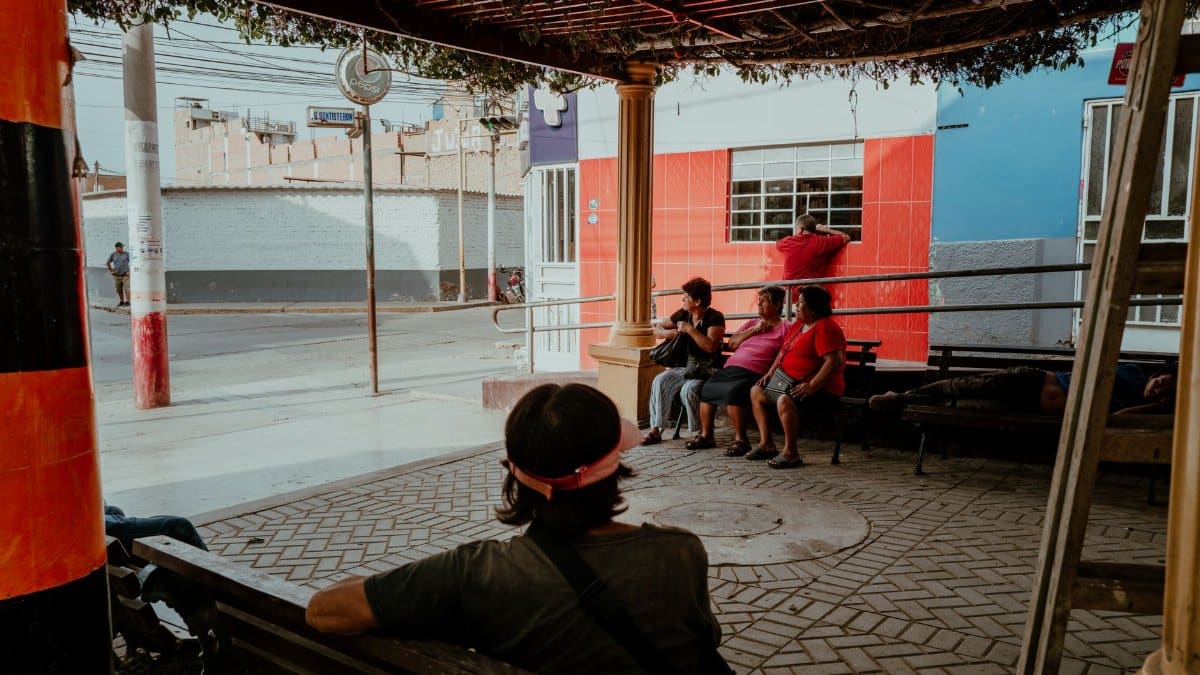
Local organizations hosted watch parties that welcomed participants from varied ages and experiences. Discussions after games touched on personal histories and shared challenges faced in the broader society. Such venues strengthened networks that extended beyond sports into mutual support systems.
Challenges of Dual Identities

Many individuals navigated expectations from both cultures seeking balance in their daily choices. Success on the field offered a neutral ground where heritage received celebration without conflict. Over time these experiences eased tensions and promoted greater self acceptance.
Youth Programs Build Future Links
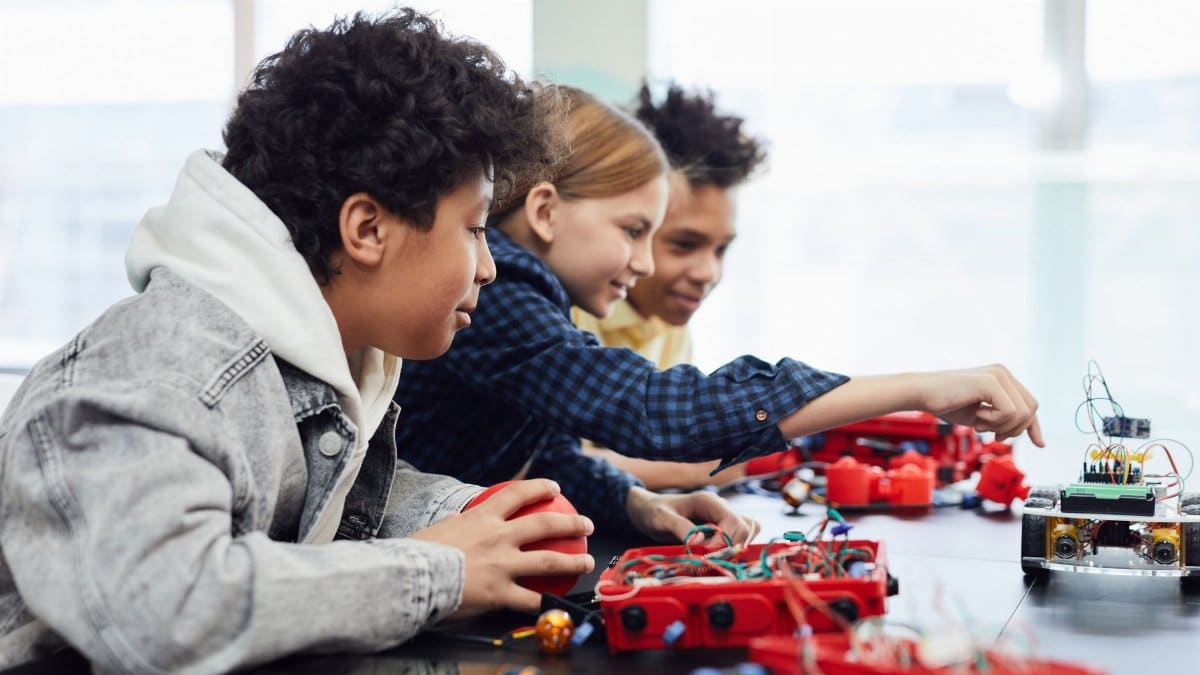
Schools and clubs introduced training sessions that honored Mexican techniques while adapting to local styles. Coaches encouraged storytelling alongside drills helping participants appreciate their backgrounds. Enrollment grew as families recognized the value in blending physical activity with cultural education.
Broader Societal Recognition

Public celebrations following key victories drew attention from mainstream outlets across the country. Leaders acknowledged contributions from Mexican American communities in ways that felt affirming rather than token. This shift encouraged more open dialogues about belonging and shared national narratives.
Personal Journeys of Reconnection

Individuals described renewed interest in language classes and visits to ancestral regions after memorable tournaments. One resident noted how the games prompted questions to relatives that had remained unasked for years. Such steps illustrated quiet yet meaningful paths toward embracing full identities.
Looking Ahead to Lasting Impact
Future tournaments hold potential to deepen these ties as demographics continue evolving in the United States. Organizers plan events that integrate education and heritage alongside athletic competition. The ongoing influence suggests World Cup Mexican American roots will remain a topic of interest for years to come.