

Recent payroll figures have brought attention to compensation levels among municipal workers in one of the nations most expensive regions. The highest compensated individual a lieutenant in the sheriffs department brought home close to 903000 dollars in the most recent fiscal cycle. Such numbers invite examination of San Francisco city salaries and what they reveal about priorities in local government spending. Observers note that these earnings occur against a backdrop of housing costs and service demands that continue to shape daily life for residents across the city.
Public Safety Roles Lead in Earnings

Data from city records indicate that many of the largest paychecks go to those in law enforcement and fire services. Hundreds of employees in these areas surpassed 450000 dollars annually when including overtime and special assignments. This pattern reflects negotiated contracts that account for the risks and extended hours common in such positions.
How Overtime Influences Total Pay

Extended shifts and emergency responses add substantially to base wages for public safety staff. In several cases overtime accounted for more than half of an employees yearly income. City officials have discussed ways to manage these costs while maintaining adequate coverage during peak periods.
Comparisons With Other Major Cities

When placed alongside payrolls in places like New York or Los Angeles San Francisco city salaries for similar roles often appear higher. Factors such as regional living expenses and union agreements contribute to the differences. Analysts suggest these variations affect recruitment and retention of experienced personnel.
Impact on City Budget Planning
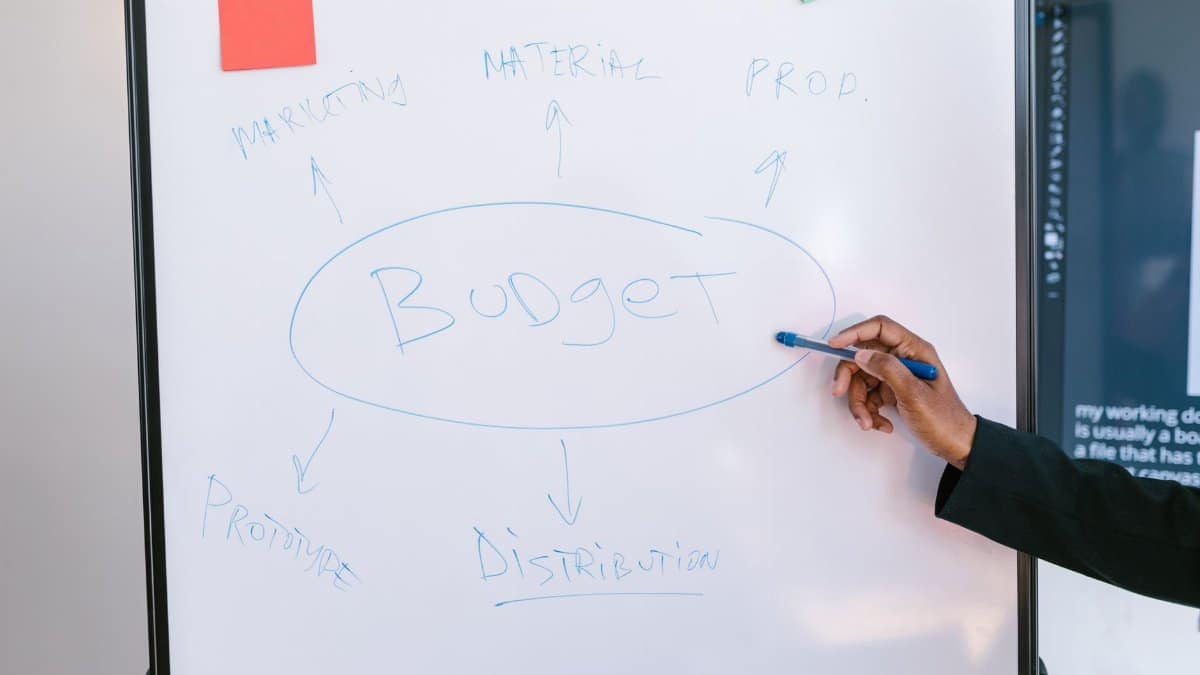
Large compensation outlays require careful balancing within the municipal budget each year. Funds directed toward salaries can limit spending in areas like infrastructure or social programs. Lawmakers review these allocations during annual sessions to address both immediate needs and longer term fiscal health.
Trends Among Non Safety Employees

Administrative and technical staff generally receive more modest totals compared with public safety counterparts. Still some specialized positions in technology or finance reach above 300000 dollars with added benefits. This spread highlights varying demands across different departments.
Union Negotiations Shape Outcomes

Collective bargaining plays a central part in determining pay scales and benefits. Recent agreements have included adjustments for inflation and workload. These talks often extend over months as both sides seek common ground on sustainability.
Public Reactions to Disclosure Reports

Residents and advocacy groups review the released figures with interest each cycle. Some express support for competitive wages that attract talent while others question whether adjustments are needed. Community forums provide space for such discussions on resource use.
Future Projections for Compensation

Forecasts suggest continued pressure on payroll as costs rise and staffing needs evolve. City planners examine models that could stabilize expenses without reducing service quality. Input from employees and residents informs these considerations.
Broader Context of Municipal Employment

San Francisco city salaries form one element within a larger system of public sector work. Benefits such as pensions and health coverage add to the overall package. Understanding the full picture helps clarify why certain roles command higher totals.