
Is sacred geometry the hidden code that connects your soul to the universe? This ancient practice, blending mathematics and spirituality, is gaining traction in 2025 as more Americans seek deeper meaning through art and design. Often called the “language of creation,” sacred geometry uses shapes like the Flower of Life and Fibonacci spirals to symbolize universal truths. From architects to meditators, people are tapping into these patterns, believing they hold secrets to existence itself. But what’s behind this trend, and does it really resonate on a cosmic level?
What Is Sacred Geometry?

Sacred geometry refers to specific shapes and patterns believed to reflect the fundamental structure of the universe. Think circles, triangles, and spirals—forms found in nature, from seashells to galaxies. Historically, these designs appear in ancient temples, religious texts, and indigenous art, suggesting a universal blueprint. Today, they’re popping up in tattoos, jewelry, and wellness practices as tools for meditation and self-discovery.
A Growing Trend in 2025
In the U.S., interest in sacred geometry is surging. Google Trends data shows a 30% spike in searches related to these patterns over the past year. Wellness influencers on platforms like Instagram are sharing mandalas and grid layouts, claiming they align energy. Art therapy programs in cities like Los Angeles and New York are also incorporating these designs to help clients process emotions, tying creativity to cosmic connection.
Spiritual Roots and Modern Appeal
The concept dates back millennia, rooted in cultures like ancient Egypt and Greece. The Pyramids of Giza, for instance, showcase precise geometric ratios. Fast forward to now, and spiritual seekers view sacred geometry as a bridge between the physical and metaphysical. “It’s like decoding the universe’s DNA,” says Mia Torres, a Brooklyn-based artist who uses these patterns in her work. Her perspective echoes a wider belief that these shapes tap into something primal.
Science Meets Spirituality
Practical Uses in Daily Life

Beyond theory, sacred geometry is finding real-world applications. Architects use it for harmonious building designs, while yoga studios integrate mandalas into decor for a grounding vibe. Online courses on platforms like Udemy are teaching everyday folks how to draw these shapes for mindfulness. In 2025, expect to see more apps and workshops focused on using sacred geometry for stress relief and creative expression.
Art as a Cosmic Connection
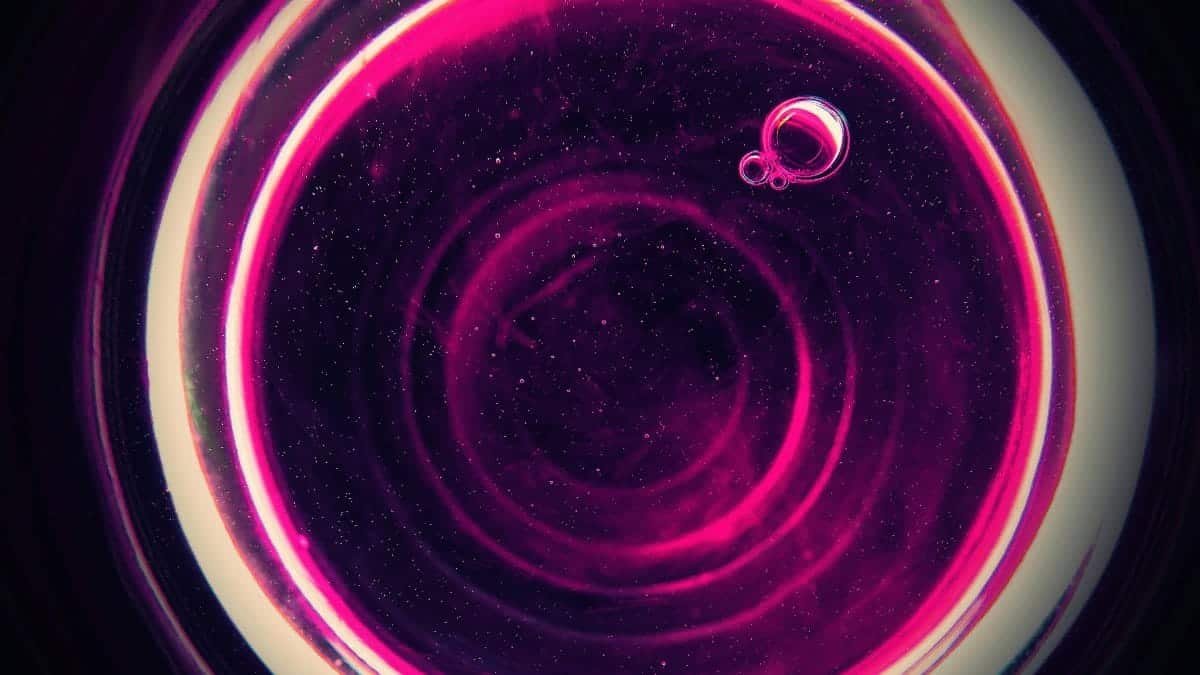
Artists are a driving force behind the resurgence of sacred geometry hidden code soul universe vibes. Galleries in Miami and Chicago report growing demand for works featuring intricate geometric patterns. These pieces often evoke a sense of unity, reflecting the belief that everything—from a single cell to the cosmos—is interconnected. For many, creating or viewing this art feels like glimpsing a universal truth.
Critics and Controversies
Not everyone’s on board. Some academics argue there’s no empirical evidence linking sacred geometry to spiritual enlightenment. A report from Pew Research notes that while alternative spirituality is rising, many Americans remain skeptical of unproven claims. Critics caution against overhyping the practice as a cure-all, urging a balance between curiosity and critical thinking.
Where to Start Your Journey

Curious to explore? Begin with simple shapes like the Vesica Piscis or Flower of Life—both foundational to sacred geometry. Free resources on sites like The Metropolitan Museum of Art offer historical context through ancient artifacts. Local art classes or meditation groups can also provide hands-on experience. Whether you’re a skeptic or seeker, engaging with these patterns might just shift your perspective on the world.