
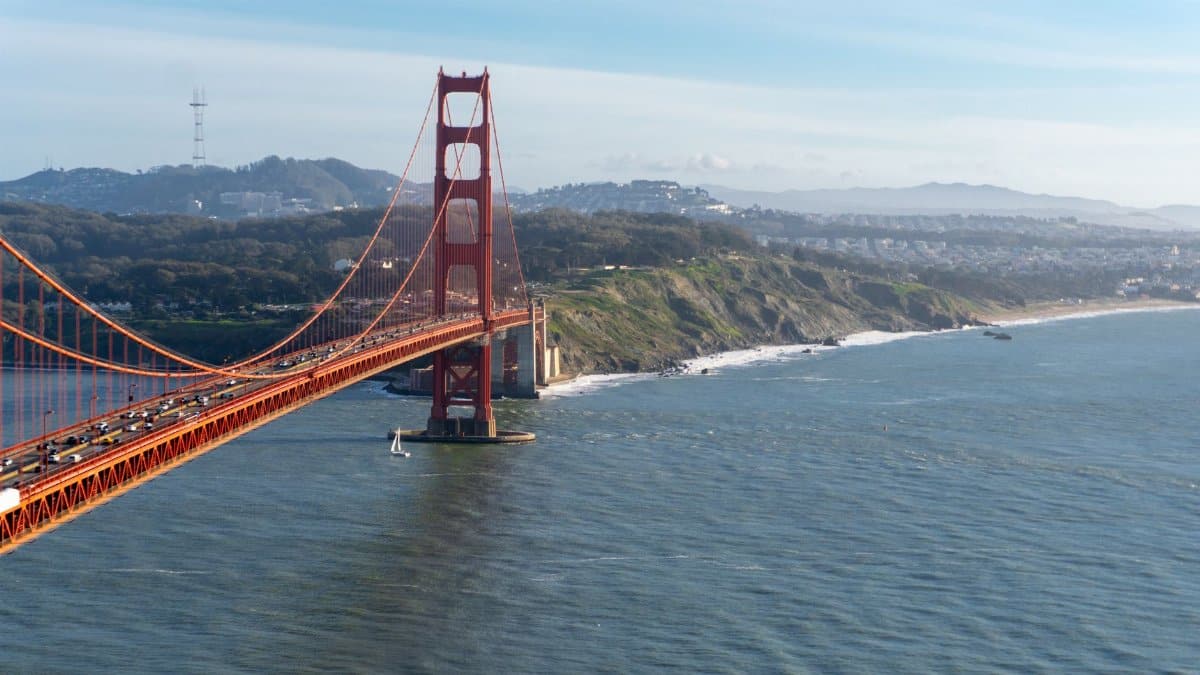
In the bustling city of San Francisco a surprising visitor has captured attention. The San Francisco mountain lion has been spotted in areas where urban life meets wild nature. This creature’s presence raises questions about coexistence between humans and wildlife in unexpected places. Local authorities responded quickly to reports from the Panhandle district adjacent to Golden Gate Park. Their assessment suggested the animal departed overnight yet an unconfirmed observation on Sunday renewed public interest and concern.
Background on the Panhandle Encounter
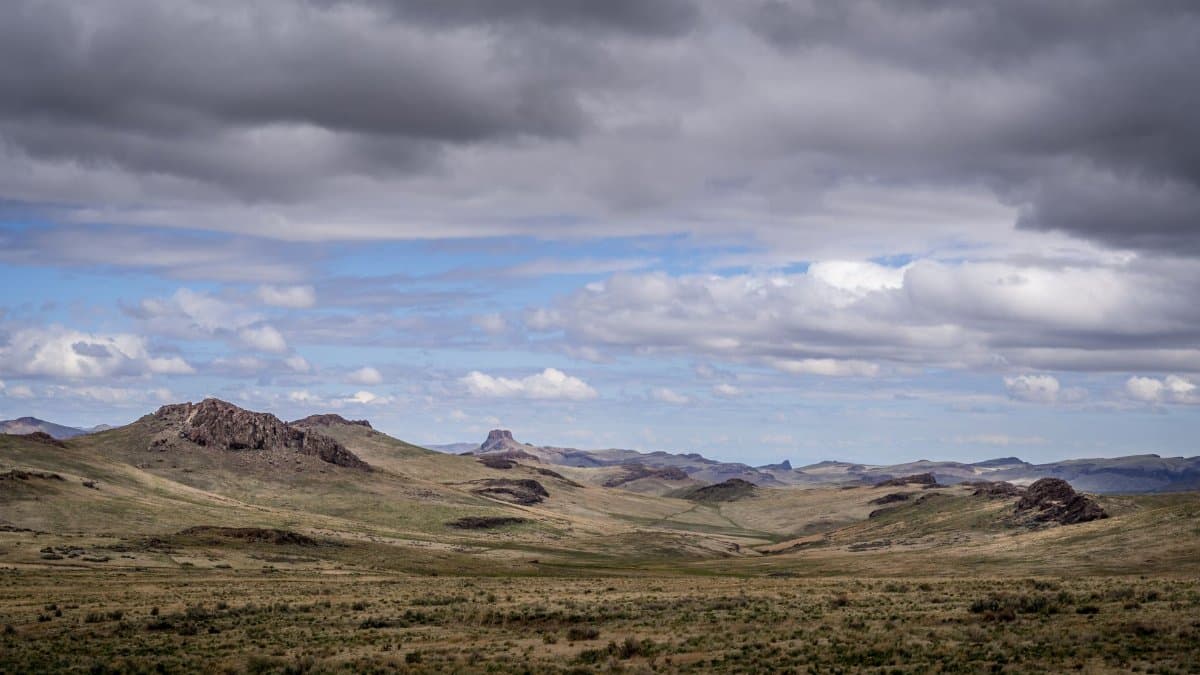
Residents described seeing the large cat moving through trees and open spaces during evening hours. Officials from the city and state wildlife agencies arrived to assess tracks and other signs. They concluded the animal likely sought a quieter route out of the dense neighborhood. Follow up checks found no further evidence of its location at that time.
Public Reaction and Safety Measures

Neighbors expressed a mix of fascination and caution after learning of the event. Some shared stories of past wildlife visits while others called for better barriers around park edges. City staff increased patrols and posted notices advising people to keep pets indoors after dark. These steps aimed to reduce any chance of unexpected meetings.
Role of Golden Gate Park in Local Ecology
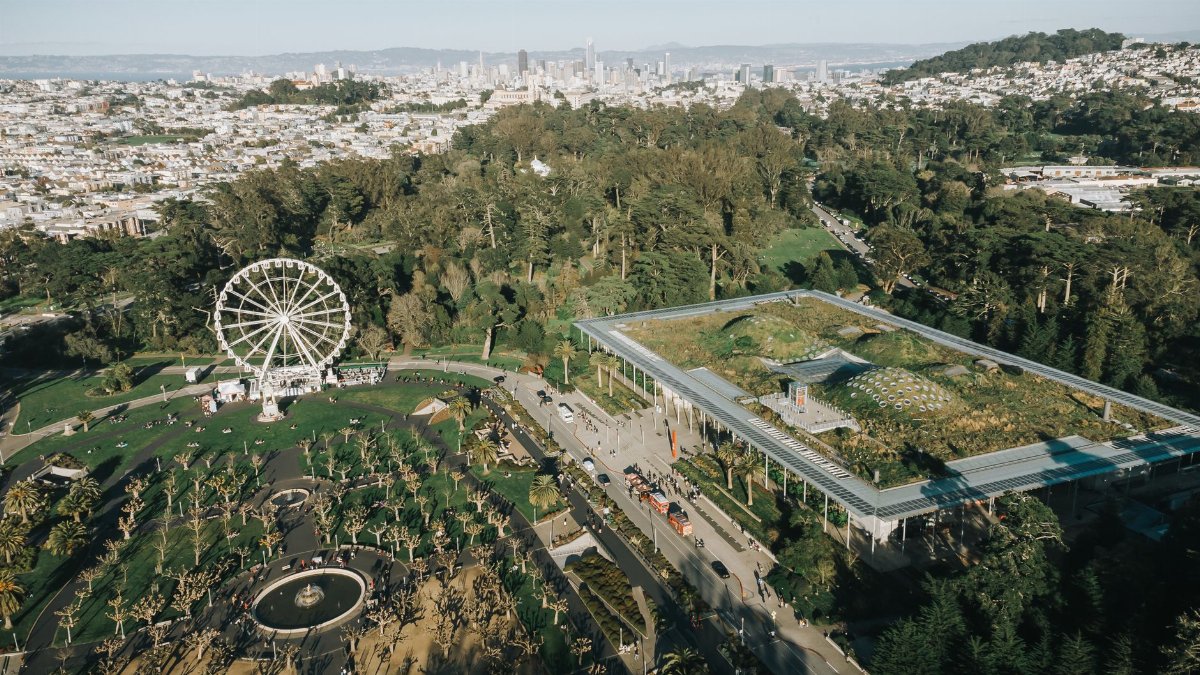
Golden Gate Park serves as a vital green corridor for many species within the urban landscape. Its mix of forests meadows and lakes provides shelter and food sources that attract animals from surrounding hills. Experts note that such spaces allow creatures like mountain lions to travel through developed zones in search of territory. This function supports biodiversity even as the city grows outward.
Expert Views on Animal Movement Patterns
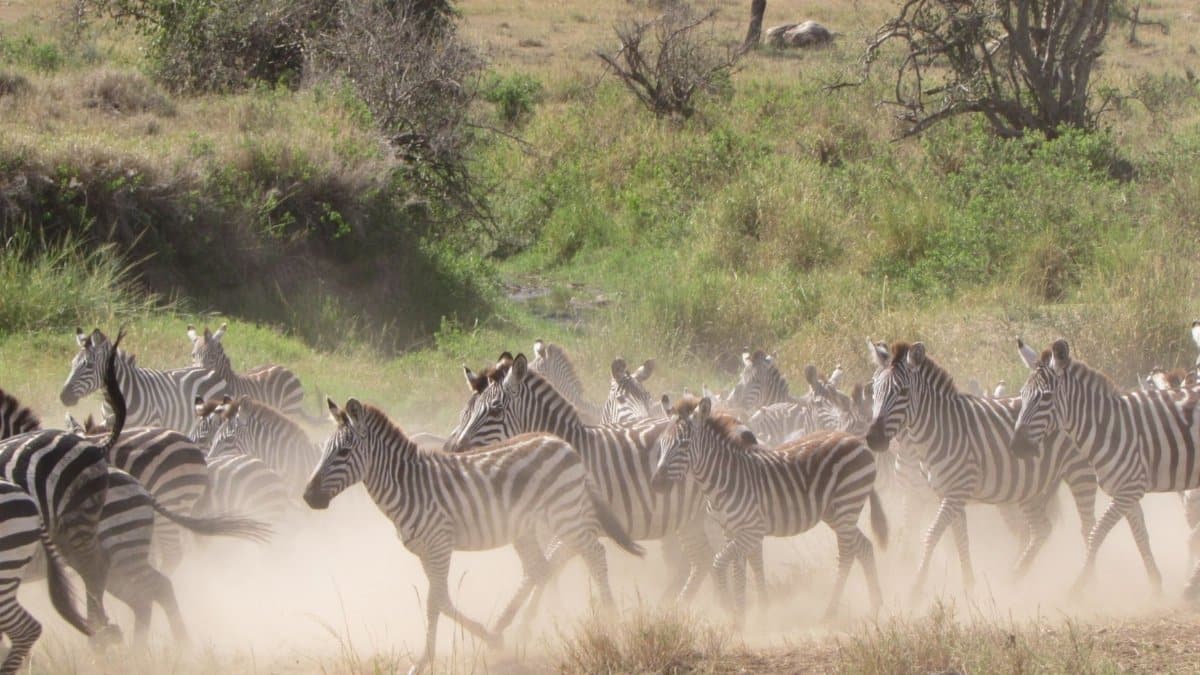
Biologists explain that mountain lions often follow established paths when exploring new ground. In this case the cat may have been drawn by available prey or simply passing through on a wider journey. Tracking data from similar events in California shows these animals can cover many miles in a single night. Understanding these habits helps officials predict and manage future incidents.
History of Wildlife Sightings in the Region
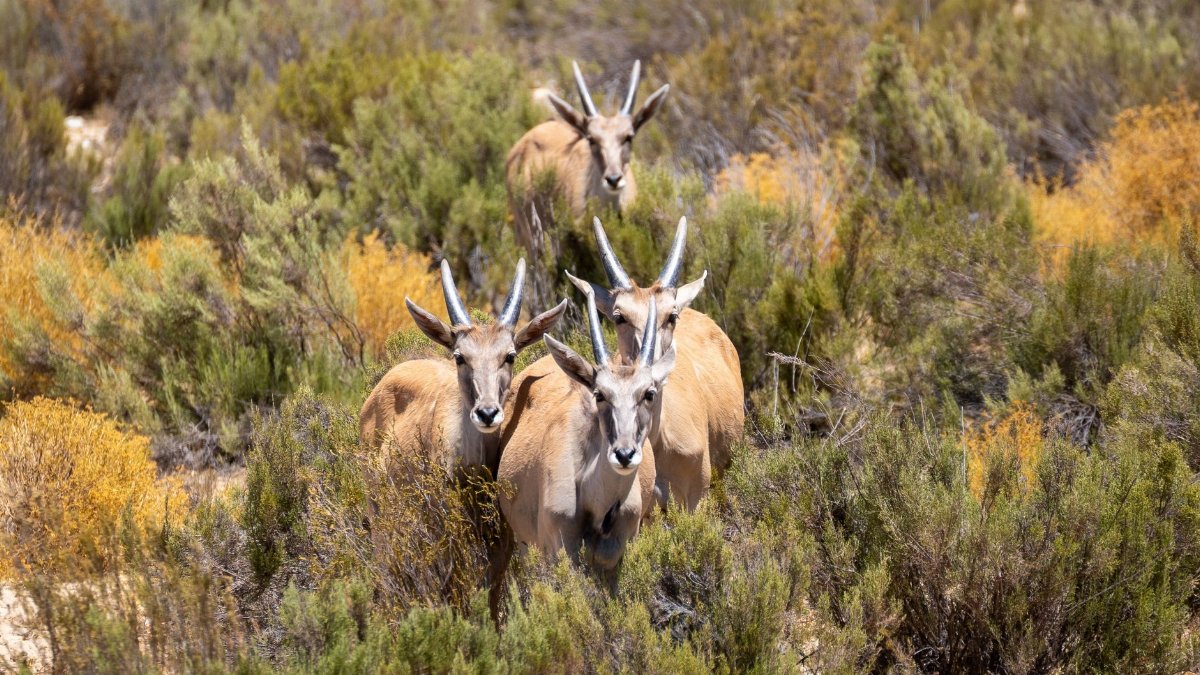
San Francisco has recorded occasional visits from large mammals over the decades. Earlier cases involved deer coyotes and even bobcats entering park boundaries from nearby wildlands. Each event sparked discussions about habitat connectivity and the need for thoughtful planning. Current records show that most animals move on without causing harm when given space.
Community Efforts to Support Coexistence

Local groups have launched programs to educate people on living near wild animals. Workshops cover topics such as securing trash and recognizing signs of animal activity. These initiatives seek to foster respect for nature while protecting both residents and visitors. Partnerships with schools bring lessons about regional ecology to younger audiences.
Future Outlook for Urban Nature Areas

Planners continue to examine how parks and open spaces can better serve both people and wildlife. Ideas include improved fencing wildlife crossings and expanded monitoring technology. Such measures could reduce conflicts while preserving the natural appeal that draws residents to these locations. Ongoing observation will reveal whether the recent visitor returns or if others follow similar routes.