
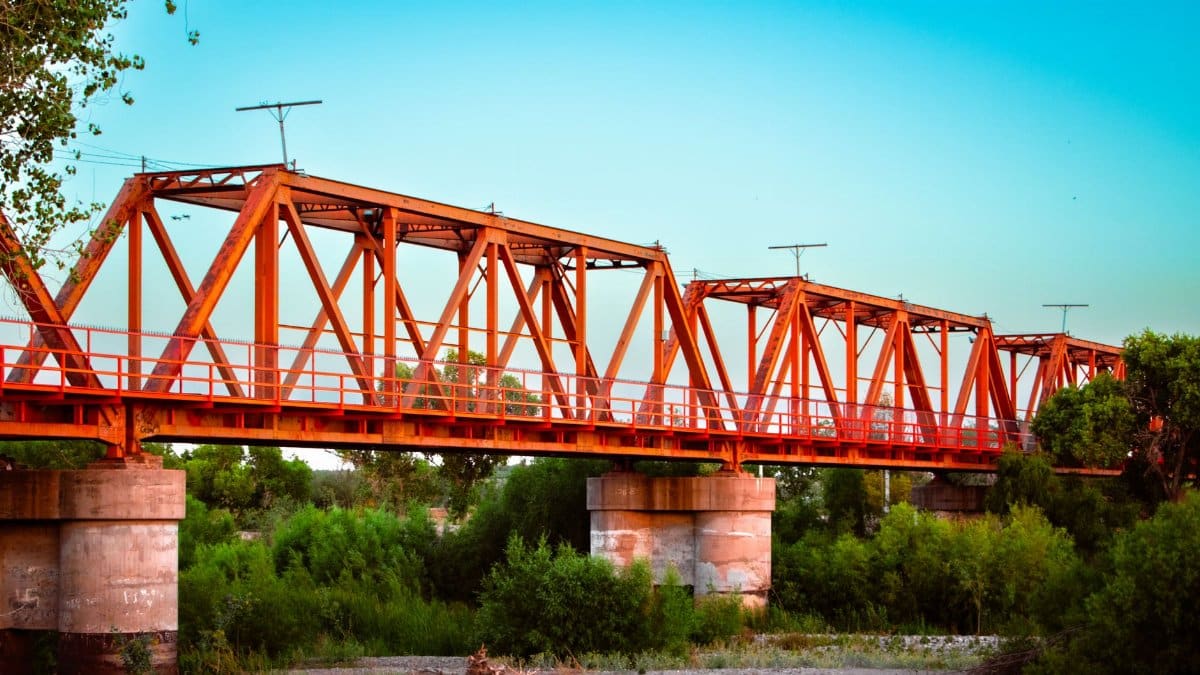
In the sunbaked streets of Eagle Pass a proposal for expanded commerce has ignited conversations that reach from local diners to the halls of power in Washington. Residents weigh the promise of new jobs against worries about traffic and land use while political figures line up on opposing sides. The Eagle Pass trade bridge stands at the center of this unfolding story one that blends economic ambition with deep community ties.
The Origins of the Proposal

Ruben Garibay a local developer first floated the concept several years ago after noticing persistent bottlenecks at existing crossings. He argued that a dedicated span would ease congestion and open fresh routes for trucks carrying goods between Mexico and the United States. Early sketches showed a structure positioned south of the current downtown bridge aiming to serve commercial traffic exclusively.
Support from Senator Ted Cruz
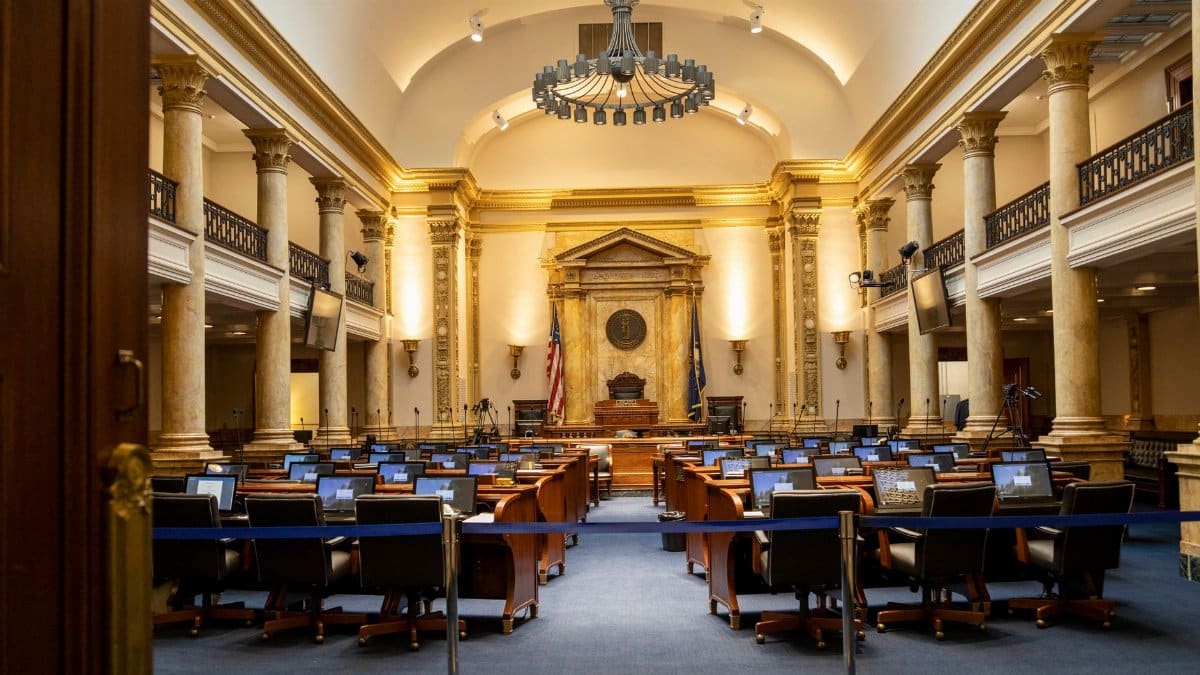
The idea gained notable momentum when Senator Ted Cruz voiced his backing in recent months. Cruz highlighted the potential for stronger supply chains and reduced delays that affect industries across Texas. His endorsement brought federal attention to the project and prompted discussions about funding mechanisms that could involve both public and private resources.
Divisions Within Eagle Pass
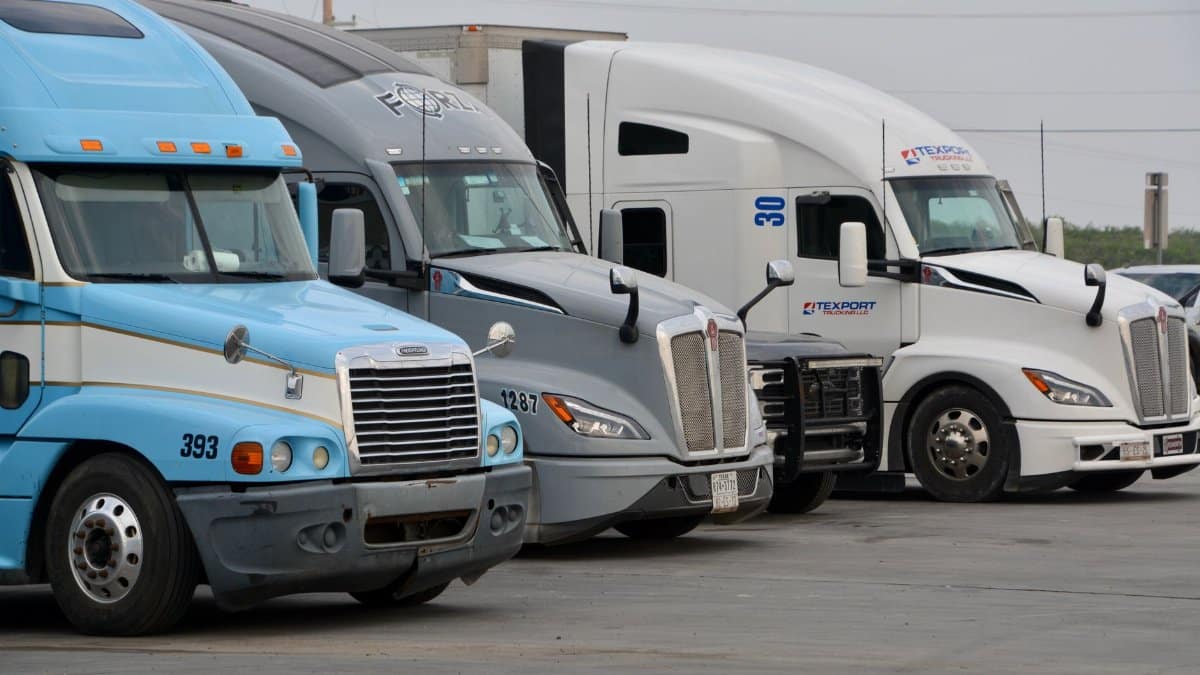
Not everyone in the community shares the same enthusiasm. Some business owners fear the new span would pull customers away from established downtown shops while others worry about increased noise and air quality issues near residential areas. Public meetings have featured spirited exchanges with speakers on both sides presenting data on traffic patterns and property values.
Economic Hopes and Local Realities

Proponents point to studies from regional planning groups that project thousands of new positions tied to faster freight movement. They note that Eagle Pass already serves as a vital link for agricultural products and manufactured goods heading north. Yet skeptics counter that benefits may concentrate among larger firms rather than spreading evenly through the town.
Environmental and Land Use Questions
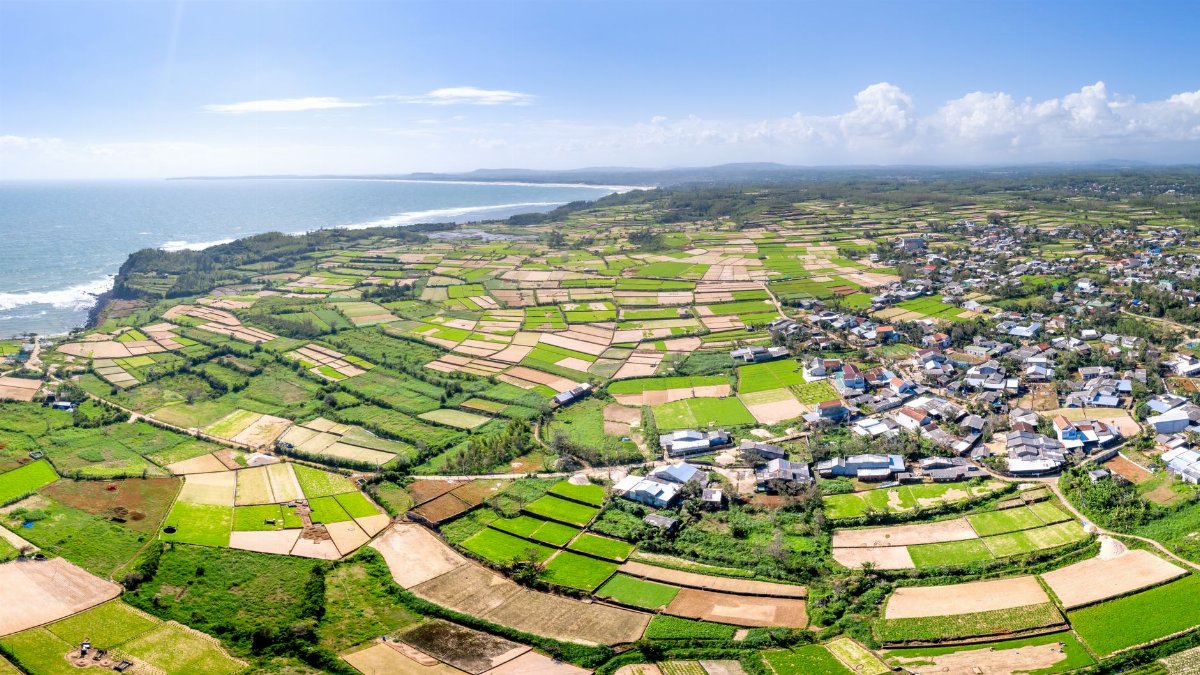
The route would cross sensitive riparian zones along the river raising concerns about habitat disruption and flood management. Local conservation advocates have called for thorough impact assessments before any construction begins. Garibay has responded by pledging to incorporate green design elements though details remain limited at this stage.
Historical Patterns of Border Commerce
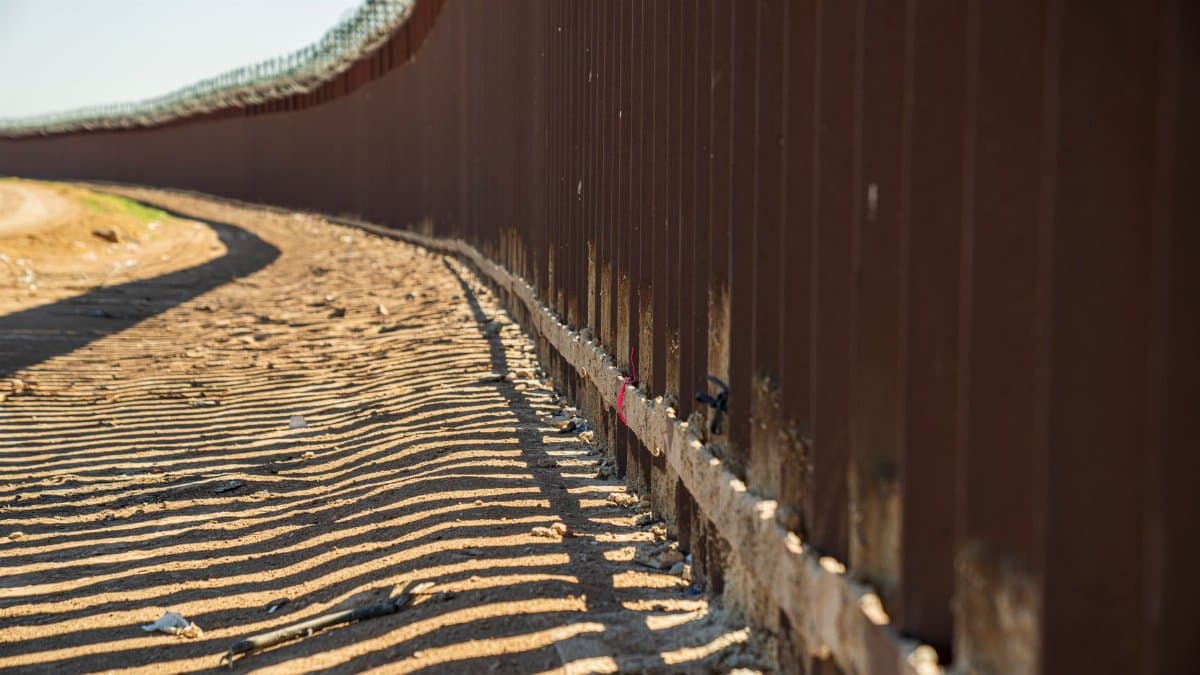
Eagle Pass has long functioned as a gateway for trade dating back to the nineteenth century when rail lines first connected the two nations. Successive waves of infrastructure investment have shaped the local economy in lasting ways. The current debate echoes earlier episodes when new crossings altered daily life for families on both sides of the river.
Community Voices and Public Meetings

Recent forums drew crowds that filled city hall to capacity. Teachers parents and small business operators shared personal accounts of how border delays affect their routines. These gatherings revealed a spectrum of views rather than a simple split with many residents seeking more information on costs and timelines.
Next Steps for Approval and Funding

Federal and state agencies must still review engineering plans and conduct required studies. Garibay continues to meet with officials to refine the proposal while opponents organize petitions to ensure all angles receive attention. The outcome will likely influence similar projects in other border communities facing comparable pressures.