
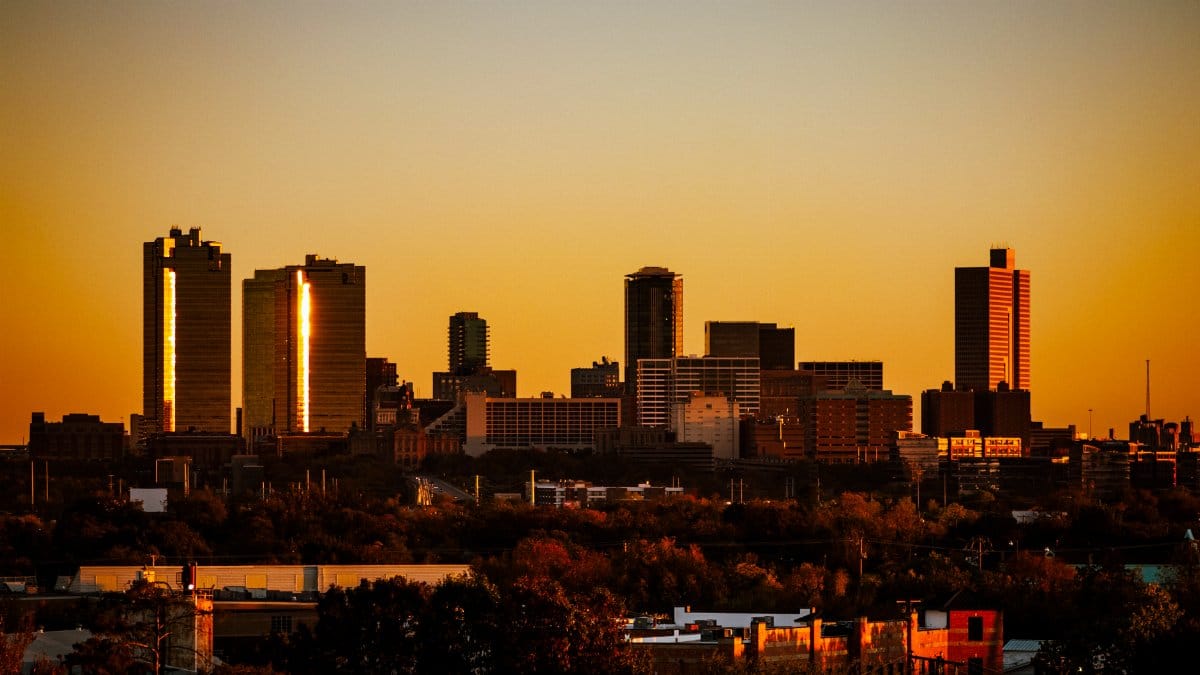
In the heart of summer residents across north Texas found themselves facing an unexpected challenge as smoke from distant wildfires drifted into their communities and altered outdoor routines for many families. The situation has drawn fresh attention to Ross Fire air quality concerns that affect daily life in significant ways with officials urging caution during peak heat hours.
Origins of the Wildfire Event
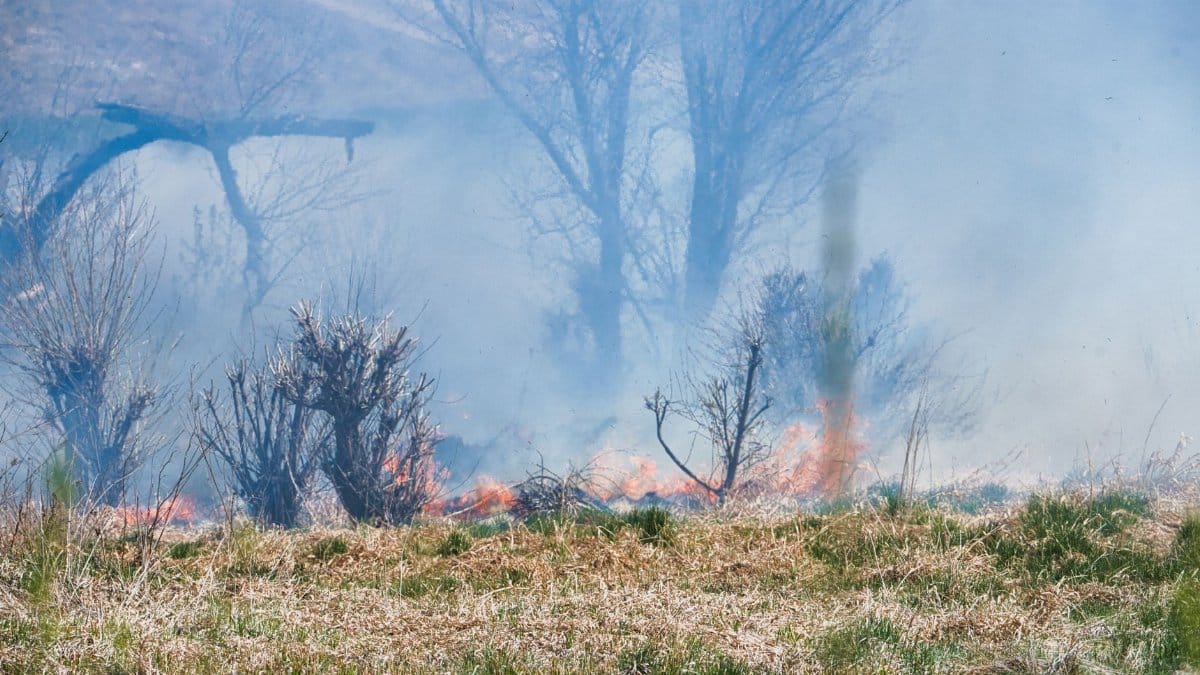
The blaze began in Palo Pinto and Jack counties where dry conditions and strong winds allowed flames to spread rapidly across rural landscapes. Firefighters worked around the clock to contain the perimeter yet shifting weather patterns carried plumes far beyond the immediate area. Experts note that such events have become more frequent in recent decades due to prolonged dry spells and changing climate patterns across the region.
Effects on Dallas Fort Worth Residents
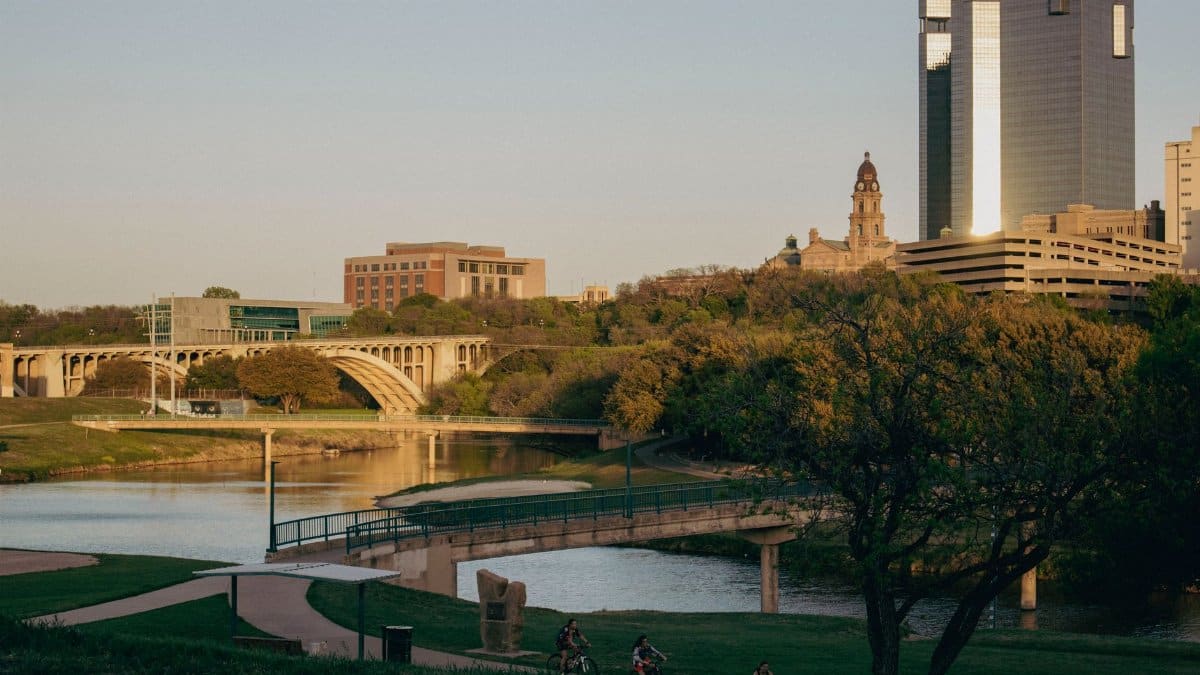
People living in the metropolitan area reported hazy skies and a noticeable scent in the air that lingered for days. Sensitive groups including children and older adults were advised to limit time outdoors as measurements showed elevated particle levels. Many residents adjusted their schedules by moving exercise sessions indoors or using air filtration systems at home to maintain comfort.
Health Considerations for Sensitive Groups

Medical professionals emphasize that individuals with asthma or heart conditions should monitor symptoms closely during periods of reduced air clarity. Local clinics saw a modest rise in visits related to respiratory irritation though no widespread crisis emerged. Guidance from health authorities focuses on staying informed through official alerts and keeping windows closed when outdoor readings climb.
Role of Weather Patterns in Smoke Dispersion
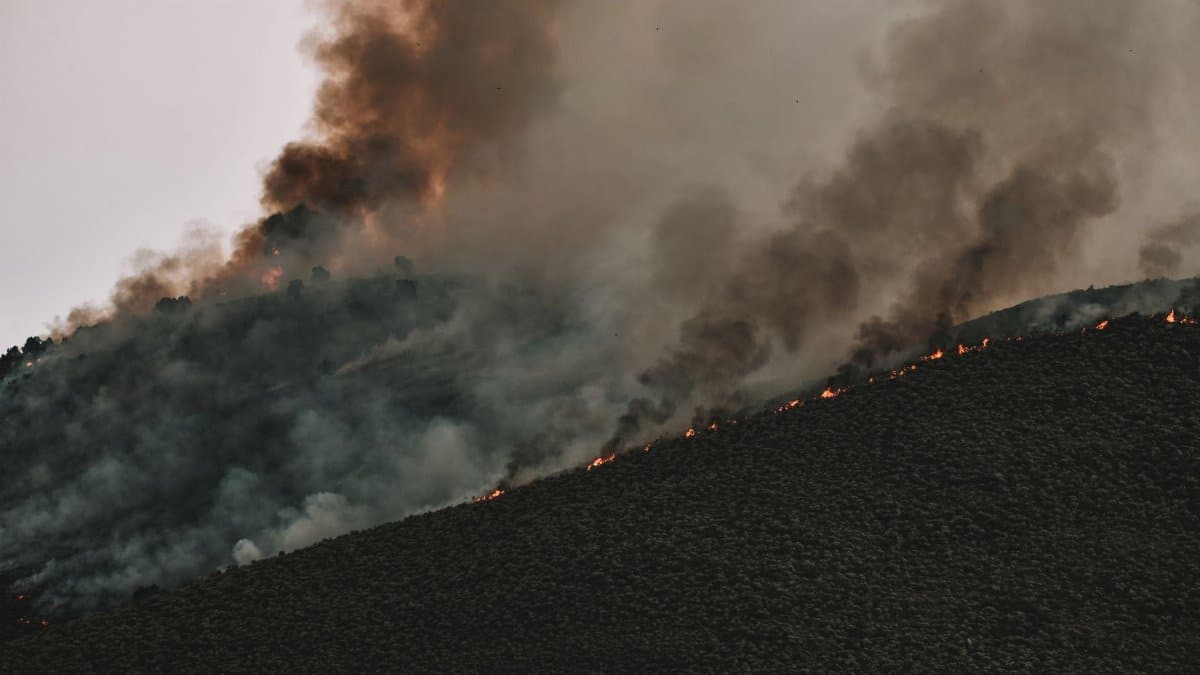
Meteorologists explain that prevailing winds played a key part in directing smoke toward urban centers rather than allowing it to dissipate harmlessly. Forecasts suggest these conditions may persist through late August with only gradual improvement expected. Residents are encouraged to check daily updates from reliable weather services to plan activities accordingly.
Community Responses and Precautions

Schools and outdoor event organizers took steps to reschedule or relocate gatherings to protect participants. Libraries and community centers opened extra hours as cool indoor spaces for those seeking relief. Volunteers distributed masks and informational flyers in neighborhoods where exposure risks appeared highest.
Broader Environmental Implications
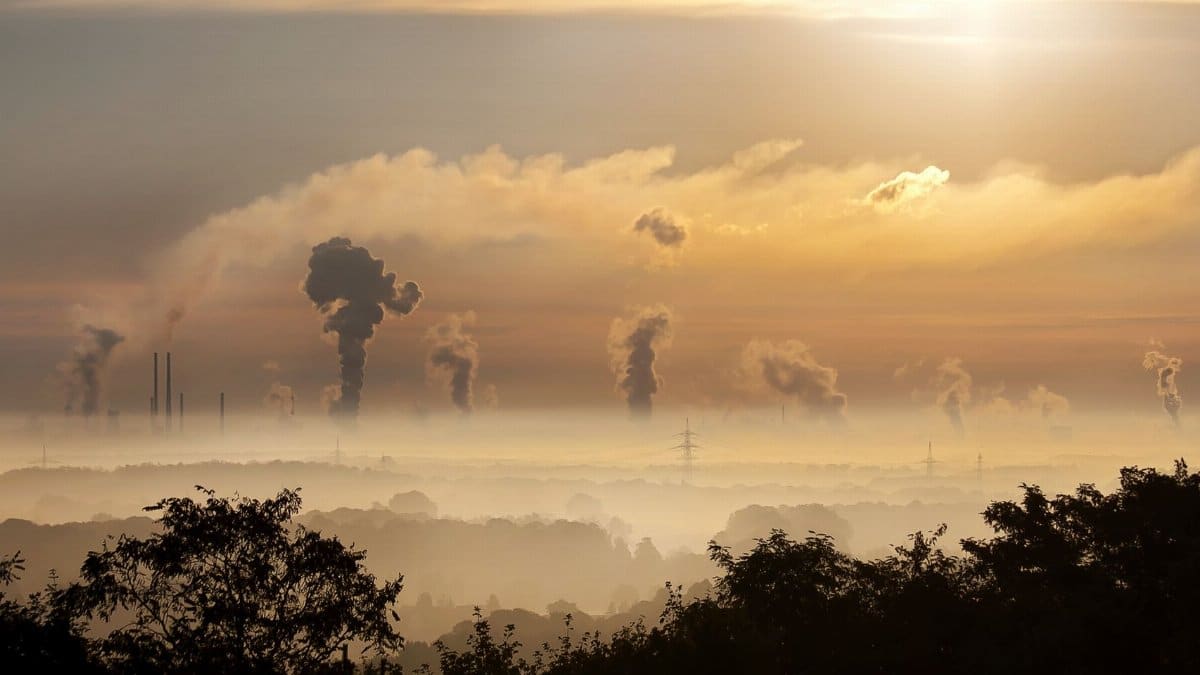
Wildfires like this one highlight ongoing challenges in land management and forest health across Texas. Ecologists point to the need for proactive measures such as controlled burns and vegetation clearing to reduce fuel loads in vulnerable zones. Public discussion has turned toward sustainable practices that could lessen the severity of future incidents.
Looking Ahead to Improved Conditions

Officials anticipate that shifting winds and possible rainfall will help clear the atmosphere in coming weeks. Monitoring stations continue to track changes in particle concentrations to provide accurate guidance. Many families express hope that normal routines will resume soon while remaining prepared for similar events in the years ahead. For further details refer to the original reporting at https://www.dallasnews.com/news/texas/article/air-quality-safety-ross-fire-palo-pinto-jack-22402767.php . Continued awareness of Ross Fire air quality remains essential for protecting public wellbeing in the region.