

In the quiet suburbs north of Minneapolis daily commutes unfold under an expanding grid of cameras that capture vehicle movements without drivers noticing at first. One local writer described how his ordinary routes to the grocery store and back home became a detailed log of habits after authorities shared data from multiple systems. Flock license plate readers now feed into networks that extend far beyond individual towns and spark debates over who sees the records and for how long.
Expansion of Camera Networks Across Communities
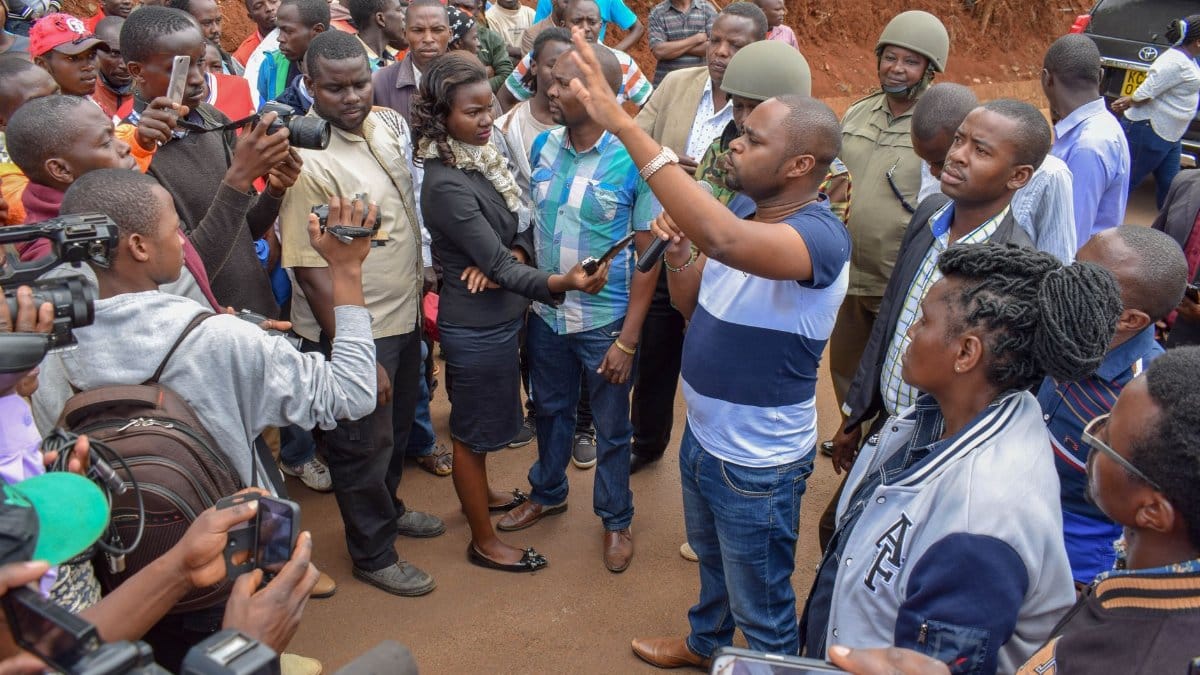
Small cities and larger counties have installed thousands of these units along roads and at intersections. Officials describe the tools as aids for locating stolen cars or Amber Alert suspects within minutes rather than days. Residents however notice the devices appear in residential areas where serious crime remains rare. The systems operate continuously and store images that can link a car to a location at a specific time.
Personal Accounts of Tracked Movements

Columnist accounts from the region illustrate how repeated sightings create a picture of regular patterns. Stops at the same coffee shop each morning or visits to family members on weekends form visible threads in the data. Such details once required physical tailing by investigators but now arrive through database queries. The ease of access prompts questions about whether everyday travel deserves this level of recording.
Concerns Over Data Sharing Practices

Records collected by one department can move quickly to others through shared platforms. A query from a neighboring jurisdiction may pull images without the original agency reviewing the request. Privacy advocates note that the process lacks consistent oversight or limits on how long information stays available. Some agencies retain files for months while others keep them longer depending on local policy.
Public Reactions and Reports of Damage
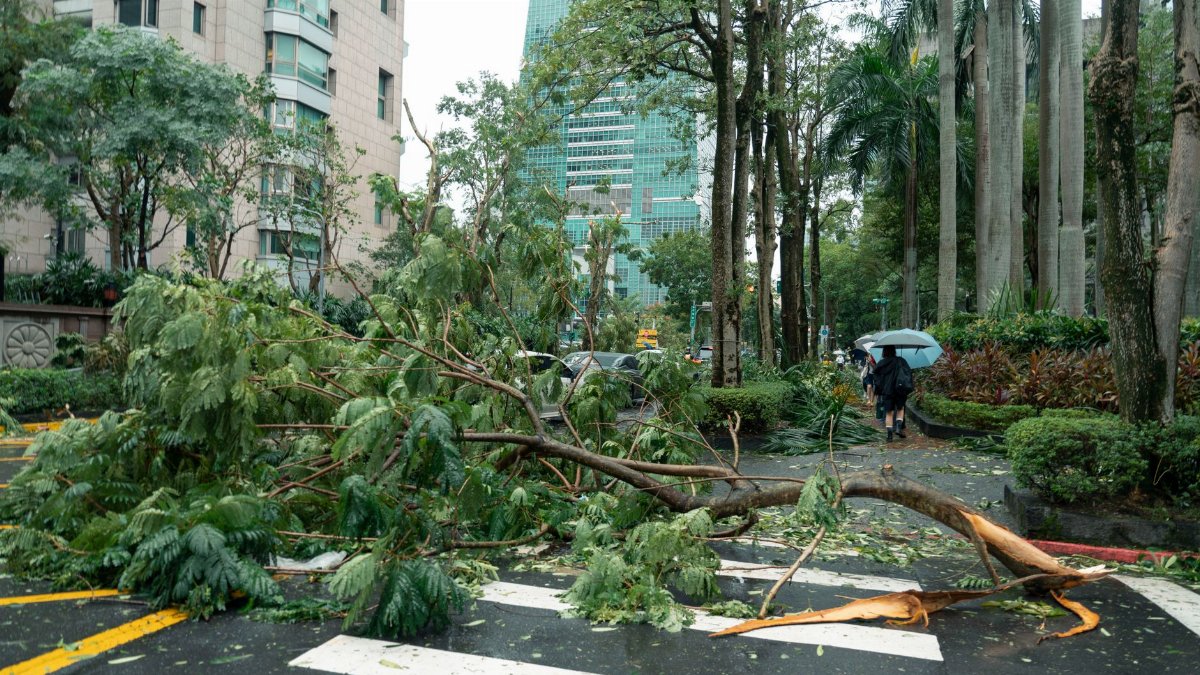
As awareness grows communities have seen an increase in attempts to disable or obscure the units. Spray paint covers lenses and cloth bags appear over cameras in several locations. Law enforcement treats these acts as vandalism yet the incidents reflect deeper unease about constant monitoring. Town meetings draw larger crowds when the topic turns to new installations.
Legal Frameworks and Policy Gaps
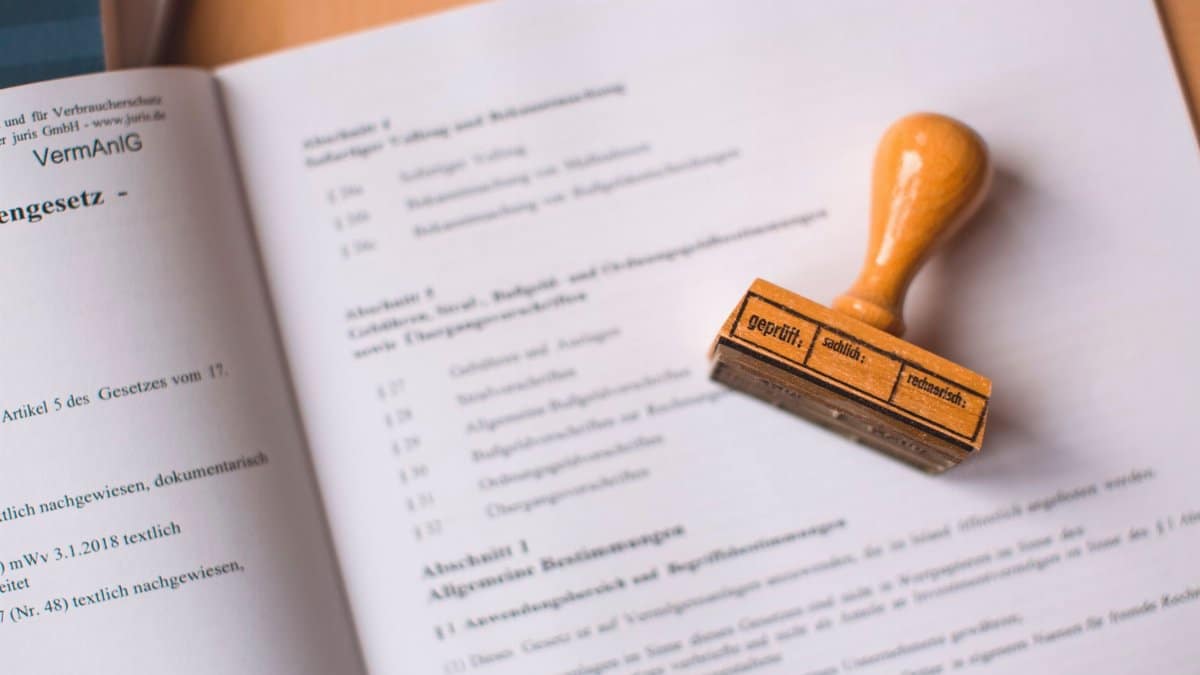
State laws currently offer limited guidance on retention periods or access rules for the captured images. Courts have yet to settle many questions about whether the constant recording amounts to a search under constitutional standards. Legislators in several states have introduced bills that would require warrants for certain uses but few measures have passed. The absence of uniform rules leaves each agency to set its own boundaries.
Impact on Everyday Trust in Public Spaces
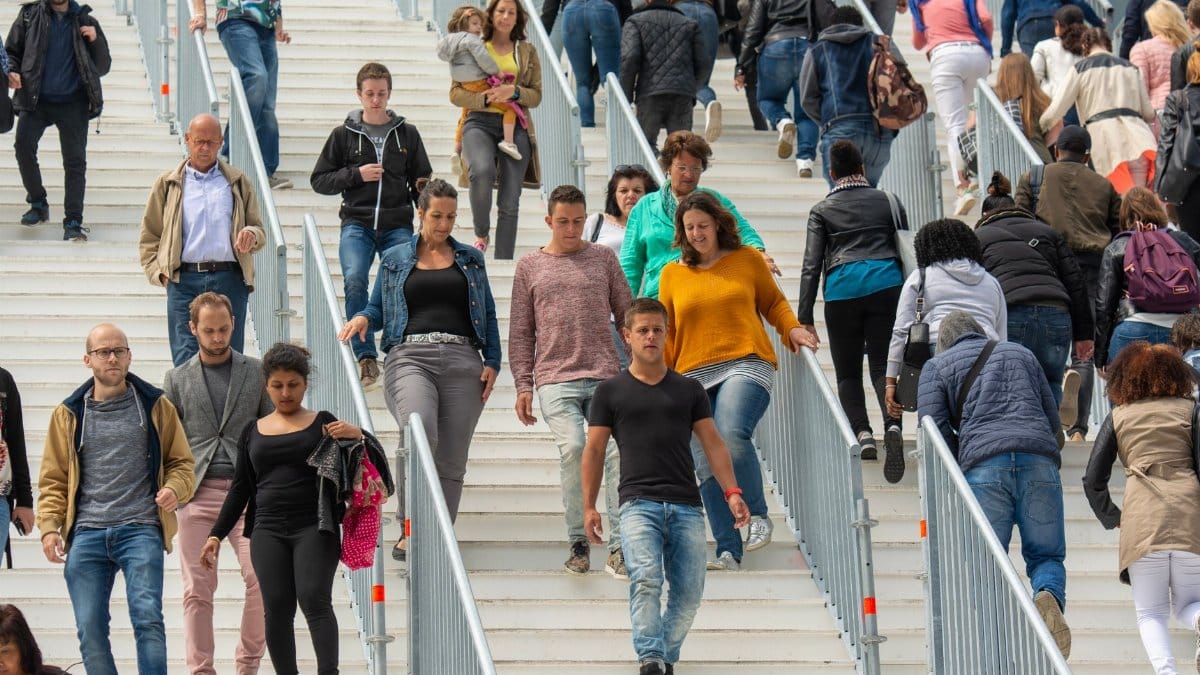
When residents realize their vehicles appear in distant databases the sense of moving freely through town changes. Some describe altered routes or reduced stops to avoid adding more entries to the logs. Community groups discuss the trade off between quicker responses to serious incidents and the quiet accumulation of personal location histories. The discussion often returns to who ultimately controls the growing archive.
Comparisons With Earlier Surveillance Methods
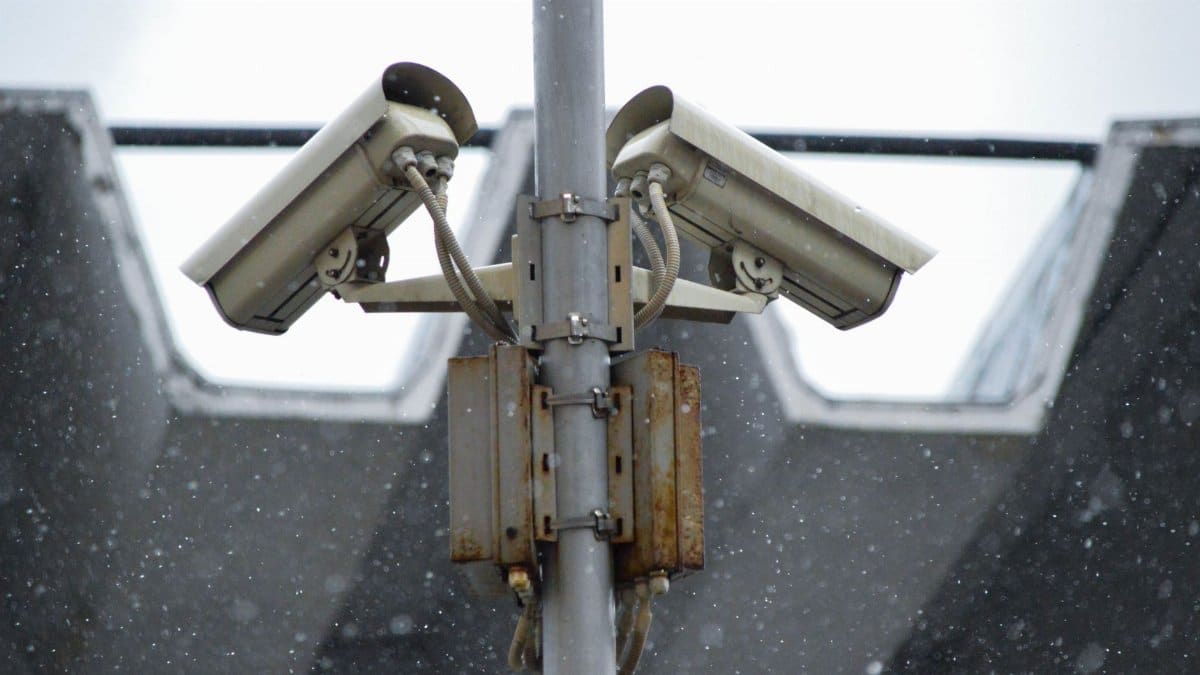
Older traffic cameras captured images only when triggered by speed or red light violations. The newer generation records every passing vehicle regardless of any observed offense. This shift multiplies the volume of data and extends the reach of monitoring into routine travel. Analysts point out that the previous systems rarely connected across city lines while current networks do so with minimal friction.
Future Directions for Oversight

Proposals include requirements for public reports on how often data leads to arrests and how many queries come from outside agencies. Some suggest automatic deletion after a short period unless a case remains active. Others call for independent audits to verify that access stays within stated purposes. The outcome will shape whether these tools remain narrow instruments or evolve into broader location tracking systems.