

In the heart of Washington Township, residents are facing the quiet end of a local landmark that has shaped evenings and weekends for generations. The Romeo Theatre closure brings to a close forty years of family run moviegoing that drew neighbors together for shared stories on the screen. As streaming services and changing habits reshape entertainment, this particular venue stands out for its resilience until now. Its upcoming shutdown in the middle of September 2026 has prompted conversations about what such places mean beyond mere business operations.
Tracing the Theater Origins in Macomb County
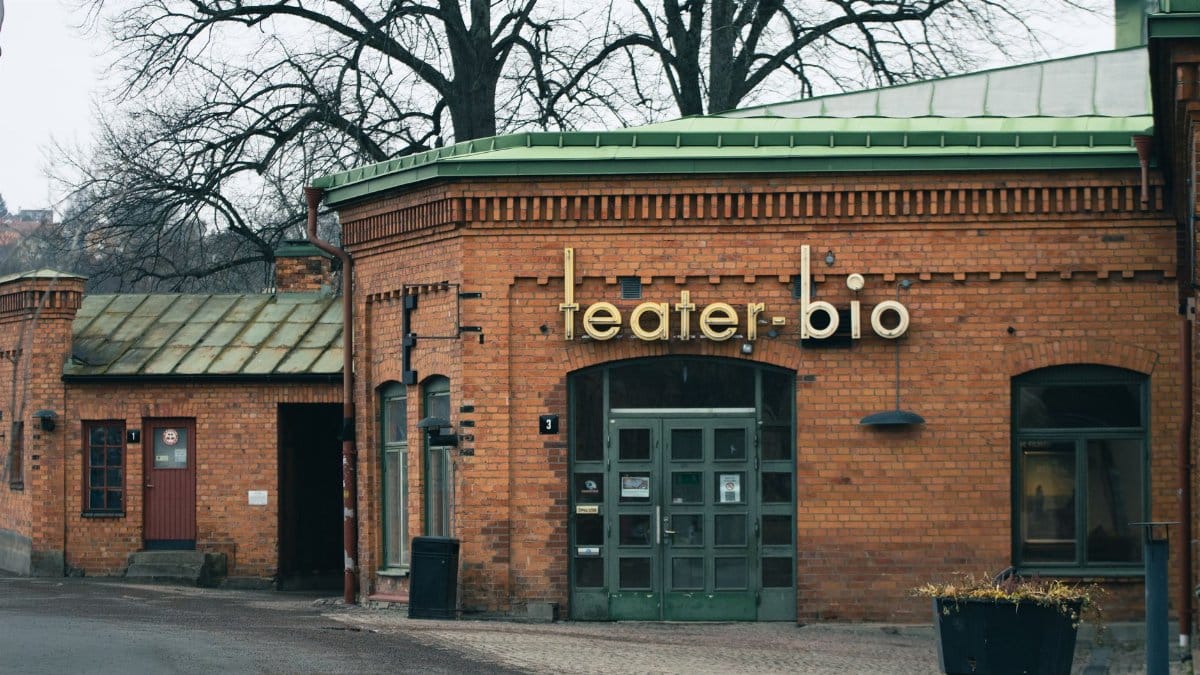
The venue first opened its doors in the mid nineteen eighties under local ownership that prioritized community ties over rapid expansion. Early years saw packed houses for family films and weekend matinees that became routine for parents and children alike. Through economic shifts and industry changes the operators maintained a focus on personal service that kept audiences returning year after year.
Daily Operations Before the Announcement

Staff members handled everything from ticket sales to concessions with a level of familiarity that regular visitors appreciated. Projection equipment received careful upkeep even as digital transitions swept through larger chains. This hands on approach helped sustain attendance amid competition from bigger multiplexes located farther away.
Reasons Behind the Decision to Shut Down

Operators cited rising maintenance costs alongside declining ticket sales as central factors in their choice. The building itself required updates that proved difficult to fund without outside investment. Local economic conditions played a supporting role as well with fewer discretionary dollars available for outings.
Memories Shared by Longtime Patrons

Many residents recall first dates or birthday celebrations held at the theater as milestones that remain vivid decades later. These accounts highlight how the space served as more than a commercial site by fostering personal connections across age groups. Such recollections now carry added weight as the final shows approach.
Effects on Nearby Businesses and Events

Restaurants and shops in the immediate area often saw increased foot traffic on screening nights. The closure may alter patterns for those establishments that benefited from the spillover. Community groups that once hosted special screenings will need to identify new venues for similar gatherings.
Comparison With Other Regional Closures

Several independent theaters across Michigan have faced similar pressures in recent years yet some found ways to adapt through niche programming. The Romeo Theatre closure follows a pattern seen elsewhere but stands apart due to its long uninterrupted run under the same ownership. Observers note that survival often depends on unique offerings or strong municipal support.
Looking Ahead to Local Entertainment Options

Residents may turn to drive in venues or larger facilities in adjacent counties once the current location goes dark. Online platforms already dominate viewing habits for many households yet some still seek the collective experience of a theater setting. Discussions continue about whether new independent projects could fill the gap in Washington Township.
Broader Shifts in Movie Exhibition Trends

Industry data shows independent operators struggling against consolidated chains and home entertainment growth. This local example illustrates the challenges without the resources available to national brands. Future models may emphasize hybrid experiences that blend traditional screenings with additional community features.