
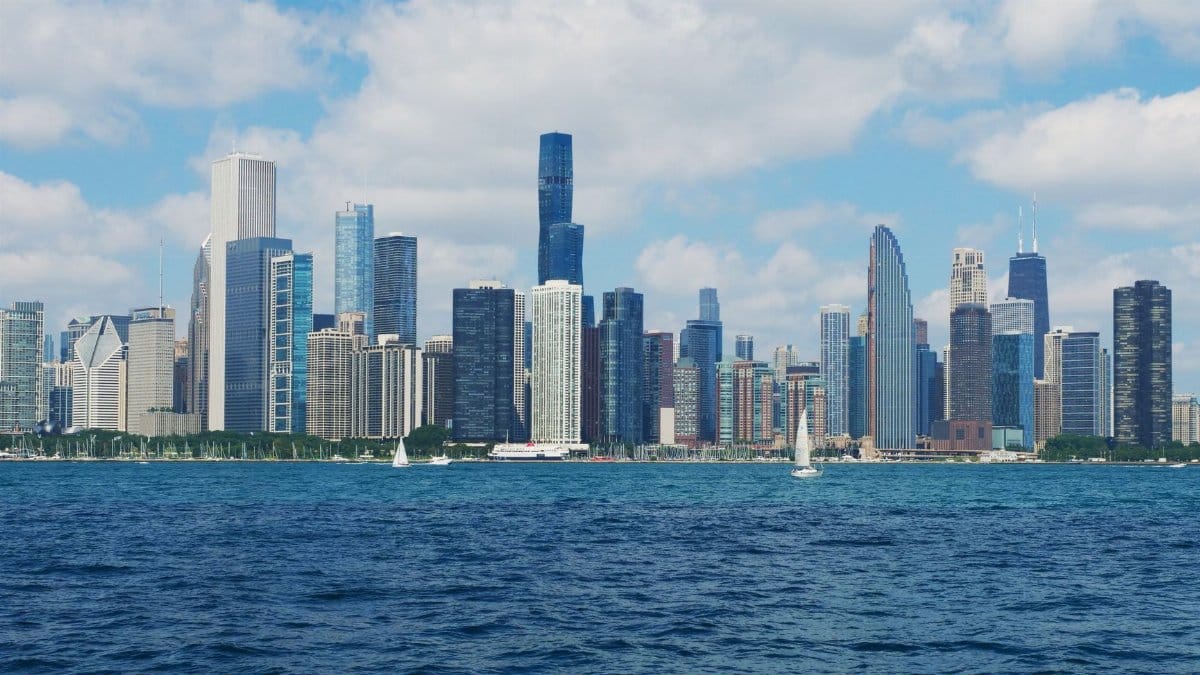
In suburbs north of Detroit many residents now pause before opening their monthly utility statements. Electric bills have climbed at a steady pace and the strain on household budgets grows more noticeable each season. Families that once took steady power rates for granted find themselves adjusting spending on groceries and transportation. Lawmakers from both parties face pointed questions at town halls about what can be done. The conversation has elevated Michigan energy costs election into a defining theme for several races this fall as voters weigh which candidates offer realistic relief.
Household Expenses Rise Sharply in Recent Years

Utility data shows average residential electric rates in Michigan increased more than twenty percent over the past five years. Many families report cutting back on other necessities to cover these charges. Older homes without updated insulation suffer the largest jumps during winter months. Local officials note that fixed incomes leave retirees especially exposed to these shifts.
Political Candidates Address Power Affordability

Several contenders in state legislative districts now list energy relief among their top priorities. Campaign stops often turn to questions about renewable projects and grid upgrades. Voters ask how new infrastructure will affect future bills rather than simply accepting promises of lower costs.
Data Center Growth Adds New Demand Pressure
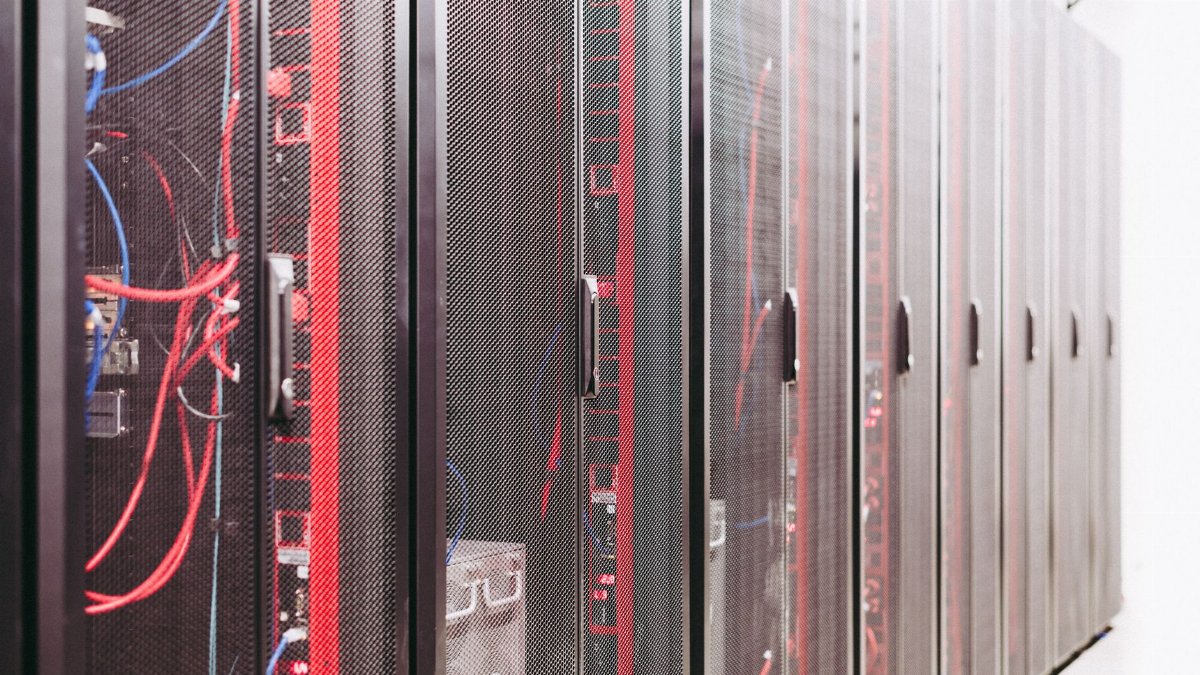
Large facilities built for cloud computing and artificial intelligence draw significant electricity in parts of the state. Regulators review proposals that could require expanded transmission lines and generation capacity. Some communities welcome the jobs while others worry about long term rate effects from added load.
Renewable Projects Face Mixed Local Reactions
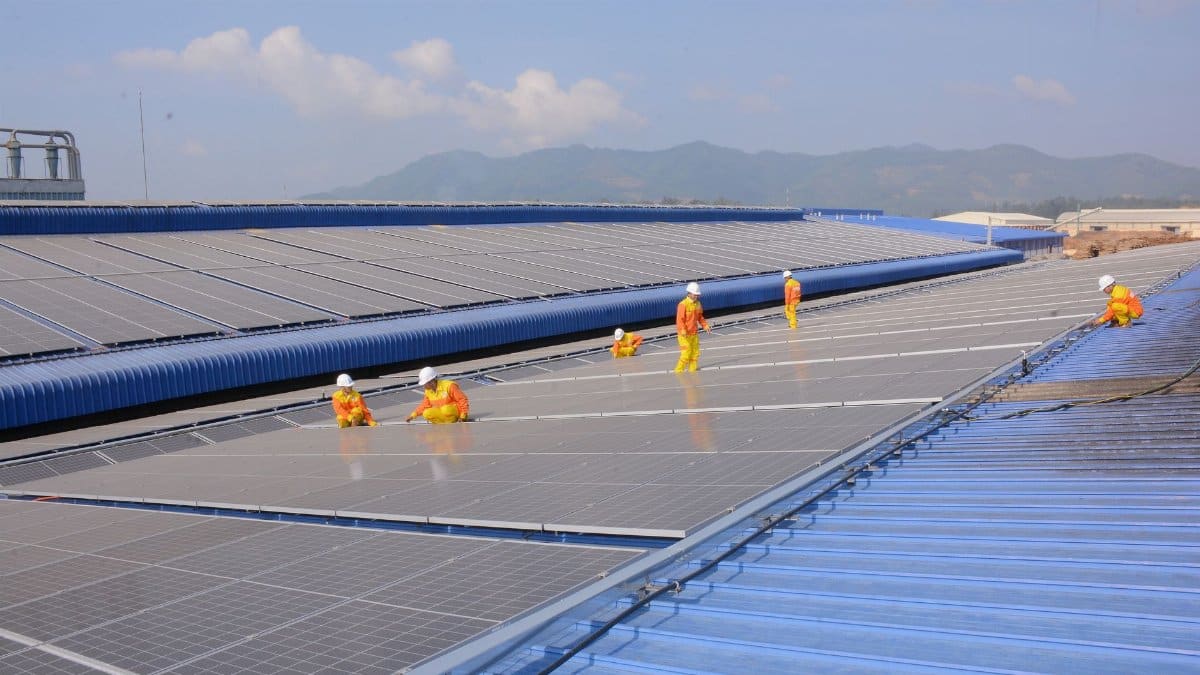
Wind and solar installations expand across rural counties yet draw complaints about land use and visual impact. Supporters argue these sources will stabilize prices over time. Opponents question whether the transition timeline matches the pace of rising bills today.
Utility Companies Outline Investment Plans

Major providers describe billions in spending on grid modernization and storm hardening. Executives state that these upgrades aim to reduce outages and improve efficiency. Consumer advocates counter that the costs of such work appear quickly on monthly statements while savings arrive later.
Voter Surveys Track Shifting Priorities
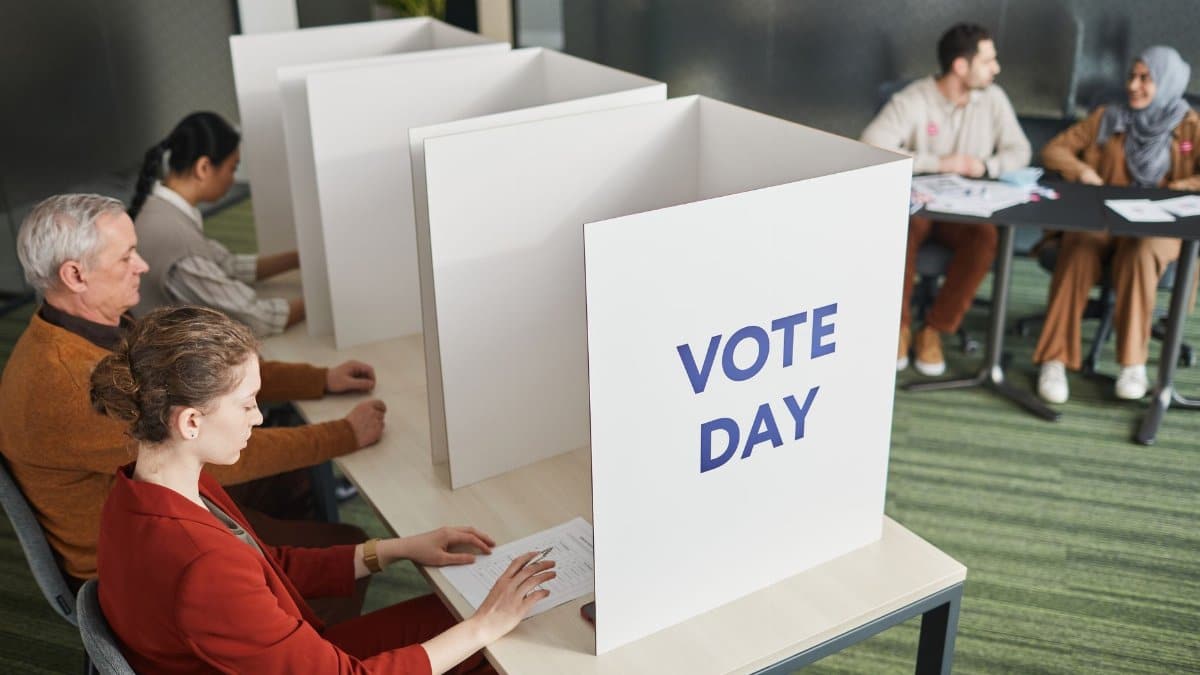
Recent polling indicates that energy affordability now ranks alongside education and roads as a top concern for Michigan residents. Independent voters in particular cite monthly statements when explaining their candidate preferences. Campaigns adjust messaging to respond to this focus.
Regional Differences Shape Policy Debates

Urban areas with dense housing show different usage patterns than spread out townships. Northern counties face harsher winters that drive heating demand higher. Lawmakers weigh whether statewide solutions can address these varied conditions without creating new inequities.
Outlook for November Contests Remains Fluid

Analysts expect continued attention to Michigan energy costs election as candidates refine their positions ahead of primary contests. The issue appears likely to surface in debates and advertising through the middle of next year. How voters connect daily expenses to their ballots will help determine outcomes in several competitive districts.