
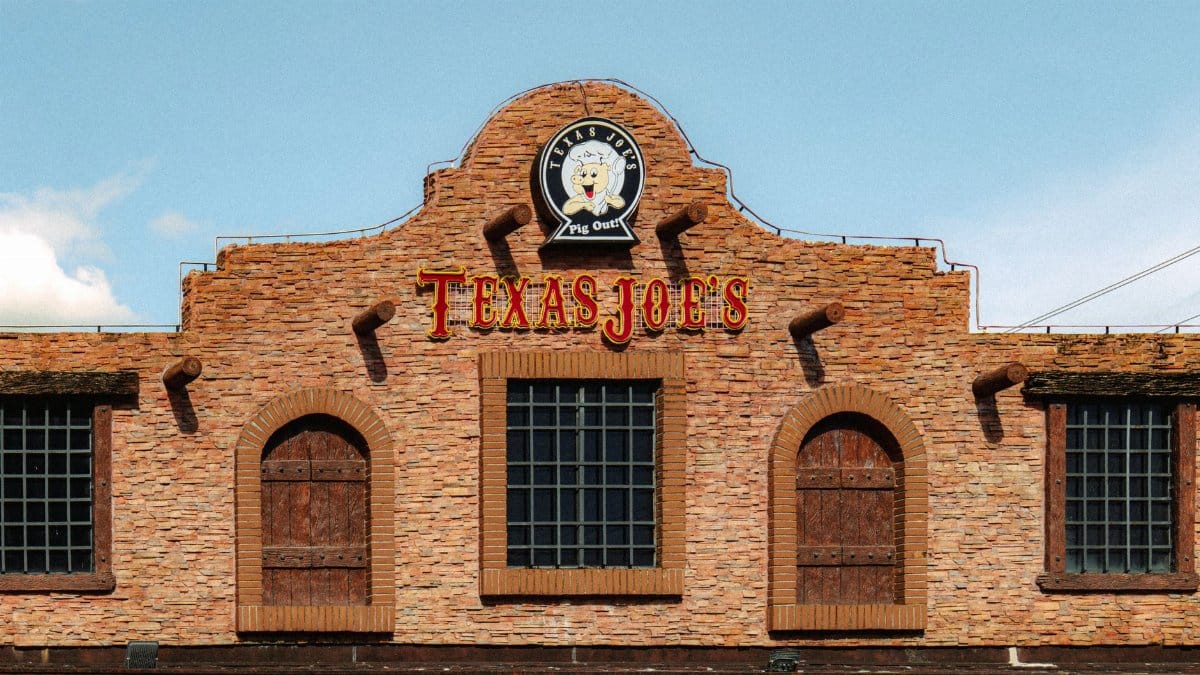
A familiar name in the dining scene across major Texas cities has faced mounting financial pressures that culminated in court filings for protection. This situation draws attention to broader challenges in the hospitality sector and centers on Texas restaurant bankruptcy developments that have led to several venue shutdowns. Regular customers accustomed to lively evenings at these spots now confront an uncertain future for the brand they once supported.
Origins of the restaurant group with Texas connections
The enterprise began decades ago with a focus on upscale dining experiences that blended live music and Mediterranean inspired menus. Founders aimed to create spaces where professionals could gather after work hours. Over time the concept expanded beyond initial locations to include multiple cities.
Expansion across the state and beyond

Growth came through careful selection of high traffic urban areas. New sites opened in Houston Dallas and other markets where demand for entertainment dining appeared strong. Each addition followed a similar format to maintain brand consistency while adapting slightly to local tastes.
Financial pressures building in recent years

Rising costs for ingredients labor and property leases strained operations. Industry wide shifts toward delivery services also altered customer habits in ways that reduced in person visits. Management attempted adjustments yet revenue shortfalls persisted.
Details of the bankruptcy filing process

Court documents outline debts exceeding available assets prompting the decision to seek reorganization. Creditors include suppliers landlords and former employees. The proceedings allow time to evaluate which locations might continue under new arrangements.
Impact on specific Texas locations

Several outlets in the state have already ceased operations. Staff received notices while inventory and equipment faced liquidation. Communities that hosted these restaurants lost gathering spots that contributed to local nightlife.
Reactions from longtime patrons and employees

Many who frequented the venues expressed disappointment over the loss of familiar environments. Workers described sudden job changes after years of service. Some shared memories of special events hosted at the sites.
Industry context for such filings

Other dining groups have navigated similar economic conditions through cost cutting or ownership changes. Texas restaurant bankruptcy cases reflect ongoing recovery efforts following pandemic disruptions and inflation effects on consumer spending.
Potential outcomes for the remaining assets

Legal teams will determine if any concepts can be sold or restructured. Interested buyers might emerge from larger hospitality firms seeking established names. The process could extend for months before final resolutions.
Lessons for restaurant operators statewide

Observers note the importance of flexible business models in volatile markets. Diversifying revenue streams and monitoring lease terms may help others avoid comparable difficulties. The case serves as a reminder of risks even for established players.