
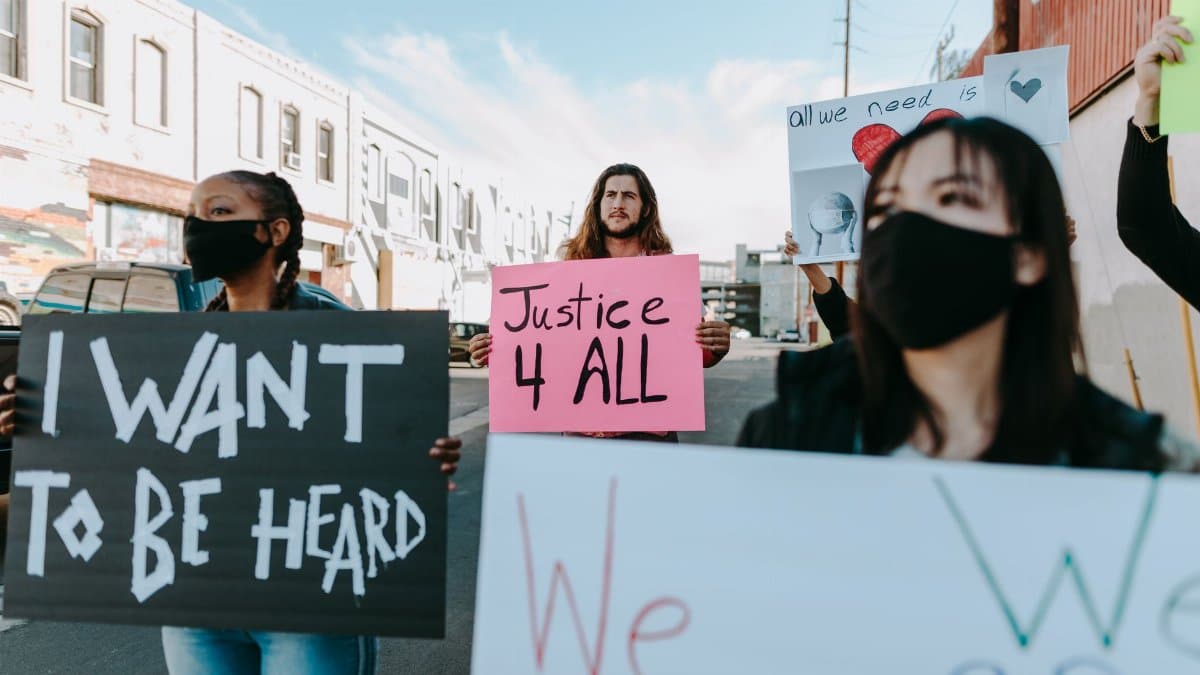
In recent weeks constituents across South Florida have gathered in community centers and churches to share their vision for leadership that stands apart from business as usual. They want someone willing to confront powerful interests head on while keeping a steady eye on everyday struggles like housing costs and reliable public services. This groundswell reflects a broader desire for representation that feels present and responsive rather than distant. The Frederica Wilson district serves as a clear example of these shifting expectations where voters are openly calling for a successor ready to mix bold resistance with practical local focus.
Shifting Expectations Among Voters
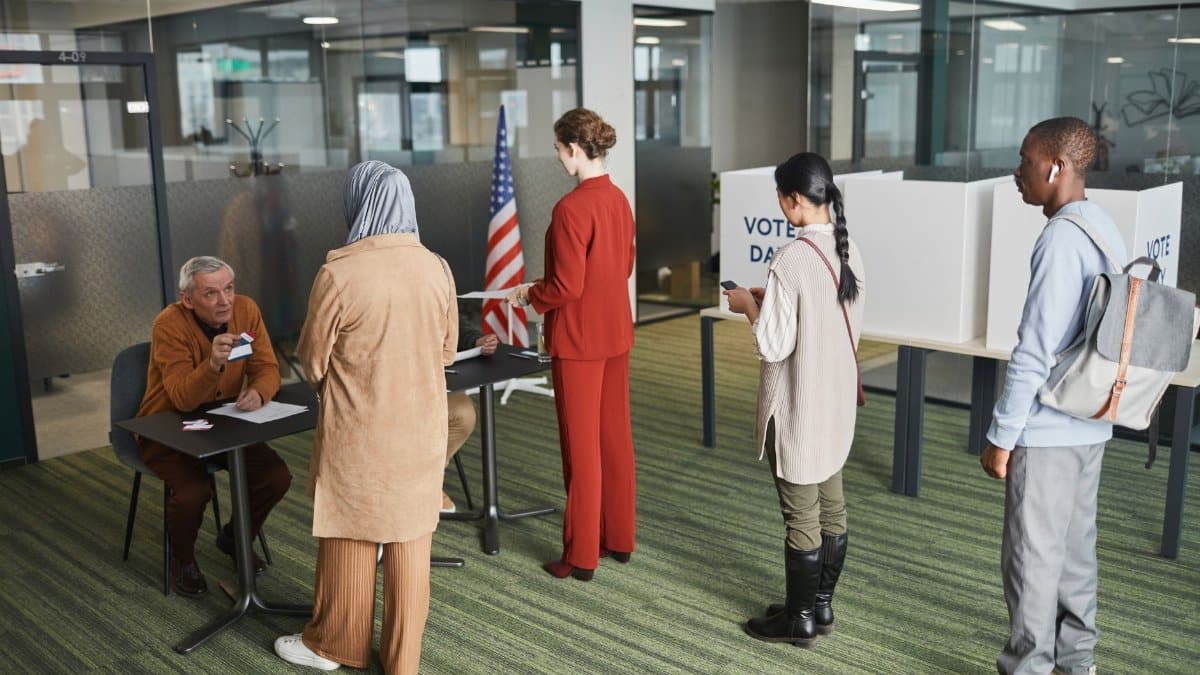
People in these neighborhoods speak of past elections with a mix of pride and frustration. Many recall the energy that once surrounded progressive causes yet now they question whether those gains have translated into visible improvements on their blocks. Conversations at barbershops and after church services reveal a hunger for candidates who attend local events without prompting and who return phone calls from concerned families.
Focus on Everyday Affordability

Rising rents and grocery bills dominate discussions more than national headlines. Families describe stretching paychecks further each month while watching property taxes climb. Candidates who promise detailed plans for rent stabilization and expanded transit options receive the warmest responses during informal meet and greets.
Calls for Visible Community Presence
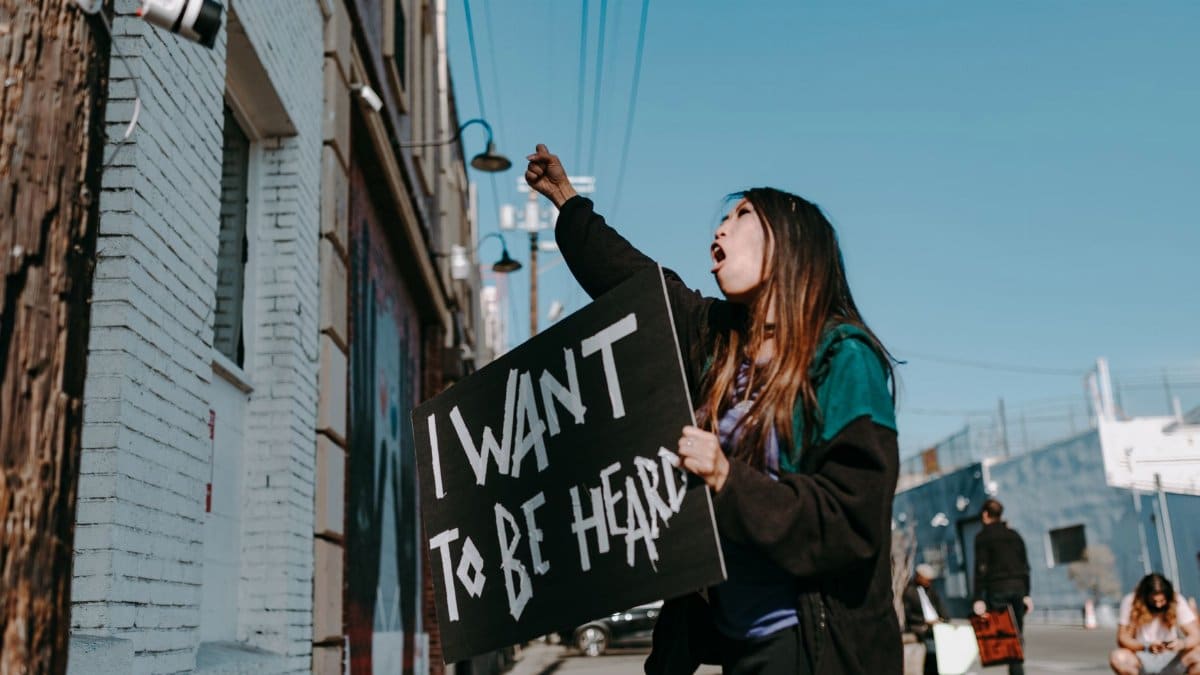
Residents repeatedly stress the value of a lawmaker who walks the same streets and shops at the same markets. They contrast this with memories of officials who appear only during campaign seasons. A consistent theme is the wish for quarterly town halls held in accessible spots such as school gyms rather than downtown hotels.
Resistance to National Policy Shifts

Many express concern over federal moves that could affect immigration processing and environmental protections in coastal areas. Speakers at recent forums urge future representatives to form coalitions with other districts to safeguard funding for flood control and workforce training programs.
Lessons From Past Representation

Observers note that the current congresswoman built a record around education and criminal justice reform yet some now seek fresh energy to tackle emerging challenges like broadband access in older subdivisions. This evolution shows how voter priorities adapt over time while core values of equity remain steady.
Youth Involvement in Local Debates
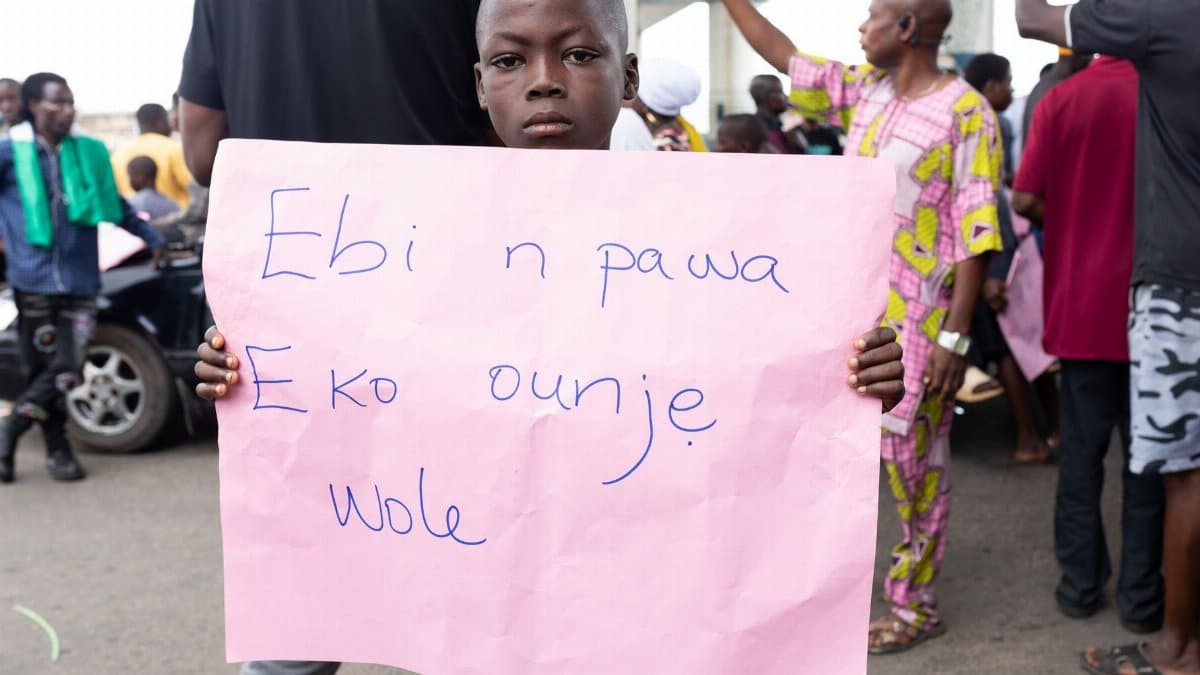
High school and college students have begun organizing voter registration drives that tie into discussions about future job markets. Their energy adds a layer of optimism to proceedings as they press older participants to consider long term impacts on climate resilience and digital literacy.
Potential Candidates and Their Platforms

Several names surface in these talks including local commissioners and nonprofit leaders who have demonstrated results in smaller scale projects. Each brings ideas ranging from cooperative housing models to partnerships with tech firms for job placement yet all emphasize listening first before proposing solutions.
Looking Ahead to Election Dynamics
Primary contests promise lively exchanges as participants weigh experience against new perspectives. Analysts expect turnout to hinge on how well aspirants connect abstract policy goals to concrete neighborhood improvements that families can feel within a single term.