
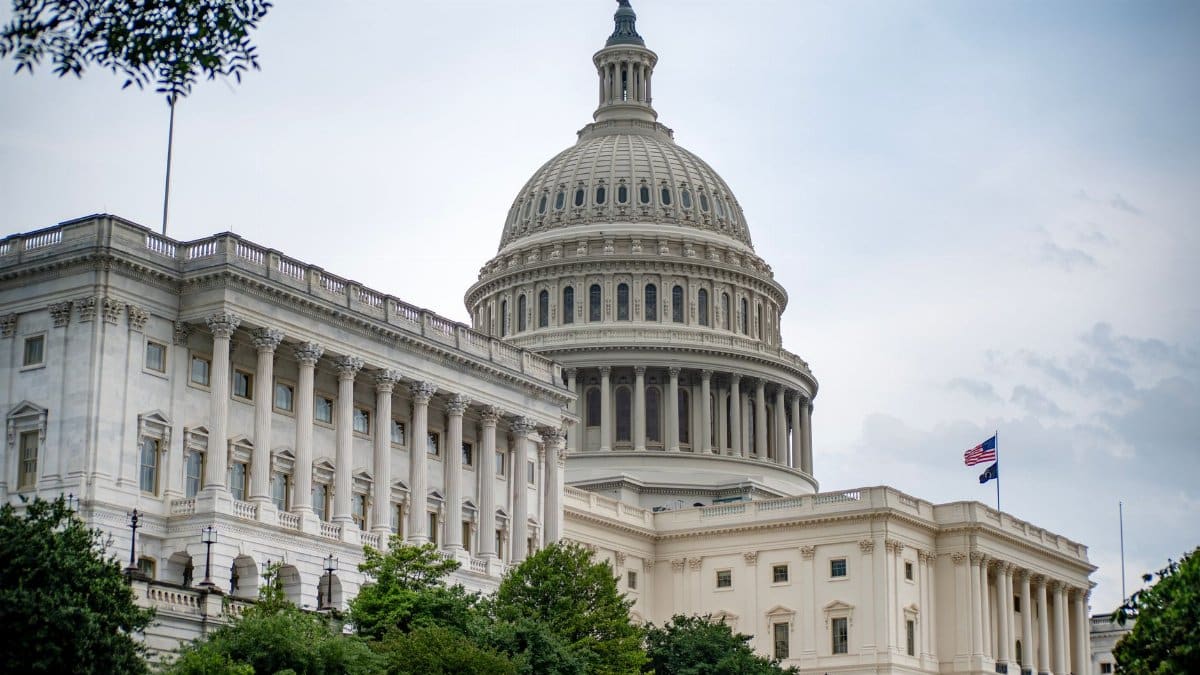
In Minnesota the political scene has drawn fresh interest after primary voting concluded this summer. With an open Senate seat on the ballot next year attention centers on a contest that pits a familiar media figure against a rising progressive leader. The Tafoya Flanagan Senate race now stands as a test case for how Republicans might narrow gaps in a state that has leaned Democratic in recent cycles. Michele Tafoya a longtime sports broadcaster turned commentator brings name recognition and a direct style to the campaign while Peggy Flanagan the current lieutenant governor carries the banner for an activist wing of her party. Early polling and party reactions suggest Republicans view this pairing as favorable terrain compared with past matchups.
Profiles of the Two Main Contenders

Michele Tafoya spent decades in national television covering major sports events before shifting focus to political commentary. Her public statements often emphasize fiscal restraint and skepticism toward expansive government programs. Supporters point to her ability to connect with suburban voters who feel distant from national party debates. Peggy Flanagan rose through state legislative ranks and now serves as lieutenant governor with a record centered on equity initiatives and expanded social services. Her backers highlight work on housing access and education funding as proof of effective leadership at the state level.
Republican Party Calculations After the Primary

Party strategists see room to compete because Tafoya presents as an outsider to traditional political circles. They plan to stress pocketbook concerns and contrast them with Flanagan record on taxes and regulation. Internal assessments shared with donors indicate that turnout models favor a candidate who can mobilize independents in the Twin Cities suburbs and outstate regions alike. Fundraising efforts have already begun to target small business owners wary of further mandates.
Democratic Defenses and Counter Moves

Flanagan campaign allies respond by framing the race around protecting social gains and reproductive rights. They note her experience navigating legislative sessions and building coalitions across urban districts. Organizers aim to boost participation among younger voters and communities of color where progressive messages have performed well in past cycles. Early advertising has focused on local success stories tied to state investments in infrastructure and health care access.
Media Background and Public Recognition Factors
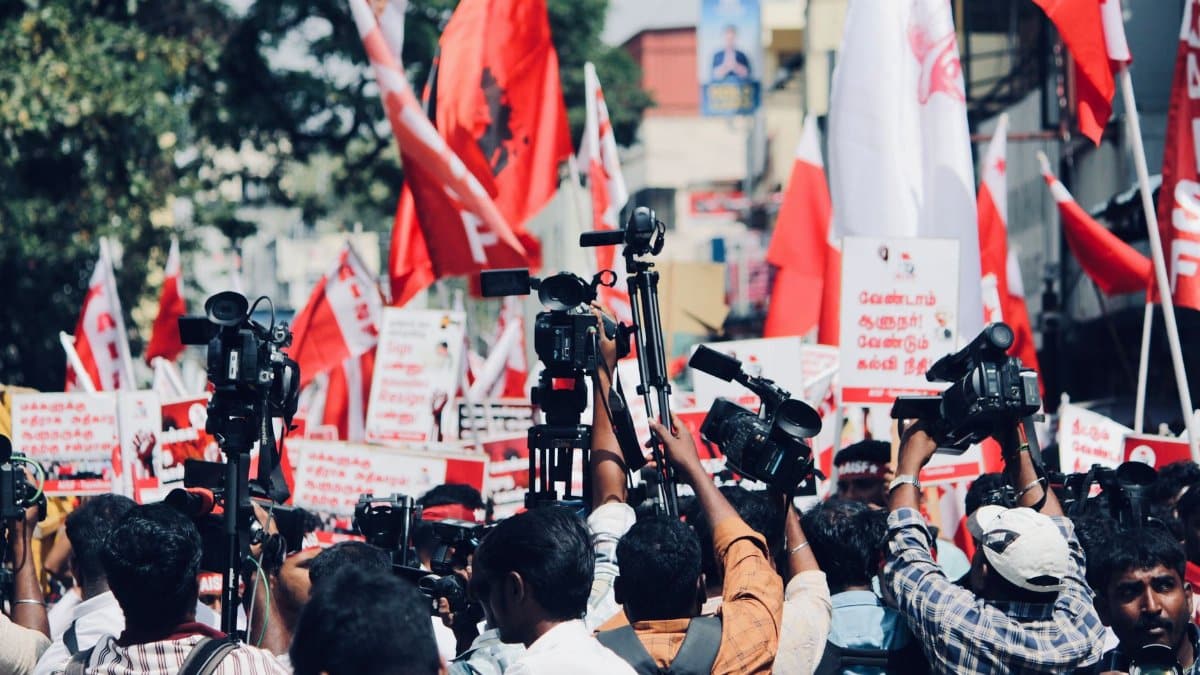
Tafoya transition from sports broadcasting gives her an edge in name identification that many first time candidates lack. Past interviews reveal a willingness to critique both parties though she has aligned more closely with Republican positions in recent years. Flanagan visibility stems from her role in the governor administration and frequent appearances at community events across the state. Local outlets have begun covering the contrast in communication styles between the two.
Voter Sentiment in Key Regions
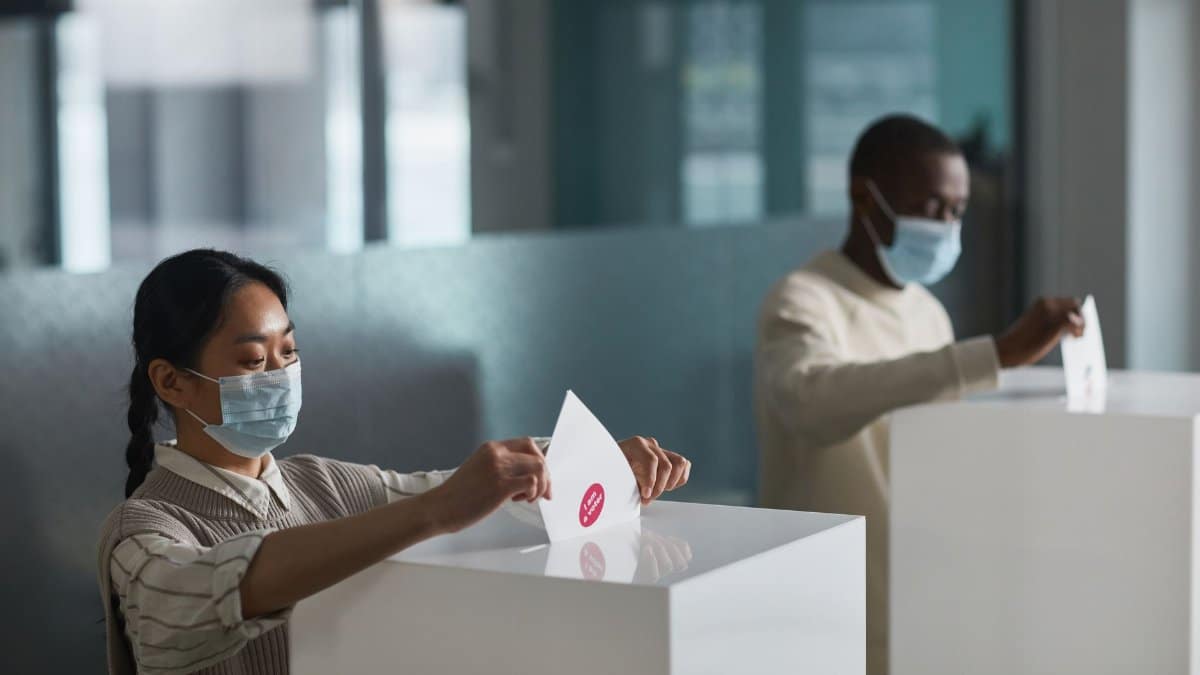
Surveys in suburban Hennepin and Ramsey counties show mixed views on the candidates with economic issues topping concerns. Rural areas appear more receptive to messages about reducing regulatory burdens while urban cores remain reliably supportive of Flanagan priorities. Turnout patterns from the recent primary suggest that moderate voters could decide margins if they participate at higher rates than expected.
Broader National Implications of the Matchup

National committees on both sides watch the contest for signals about midterm trends. A strong showing by Tafoya could encourage similar recruitment of non traditional candidates elsewhere. Conversely a decisive Flanagan victory might reinforce progressive influence within Democratic circles heading into future cycles. Observers note that Minnesota results often preview shifts seen later in neighboring states.
Challenges Each Candidate Must Navigate

Tafoya must demonstrate depth on policy details that go beyond her media persona while avoiding gaffes that could alienate swing voters. Flanagan faces pressure to unify a party that includes both moderate and activist factions without appearing overly ideological. Both will contend with national media scrutiny that often amplifies controversies in competitive Senate contests.
Looking Ahead to the General Election Phase
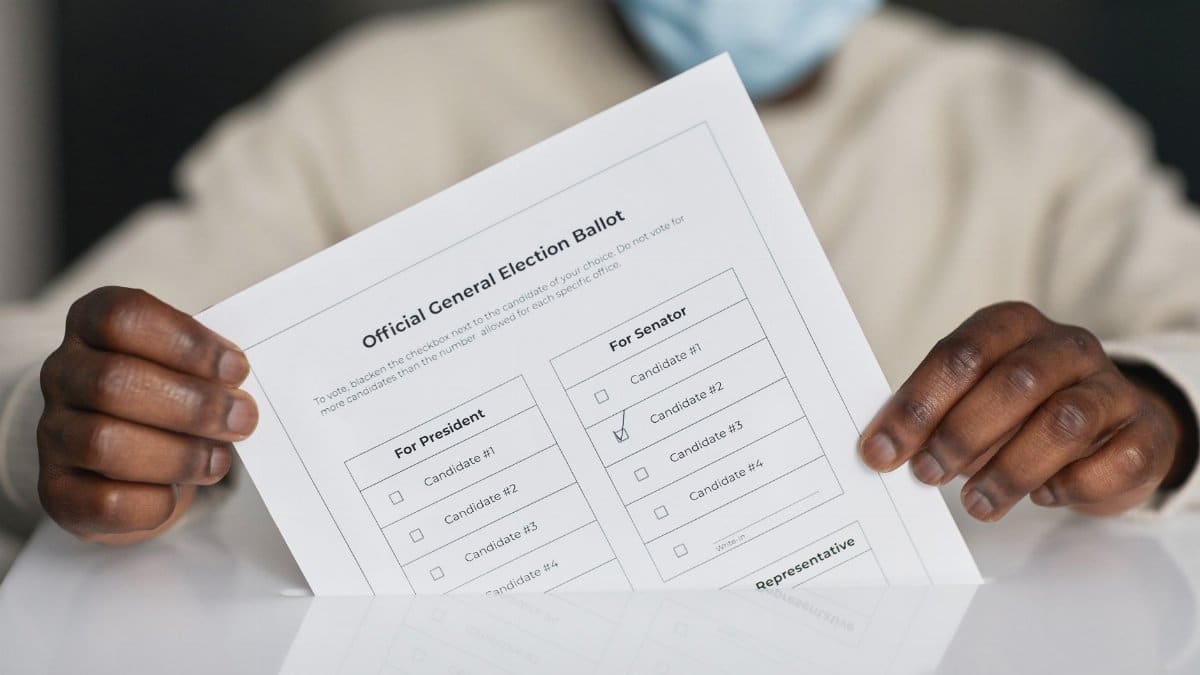
Campaign schedules now turn toward fall events and winter debates as the field narrows. Early volunteer recruitment and digital outreach efforts indicate both sides expect a high intensity race through next year. The outcome will influence state policy directions on taxation education and health care regardless of which candidate prevails in the end.