

In the quiet expanse of northern Minnesota forests, where pine stands meet shimmering lakes, a recent report has drawn attention to bureaucratic hurdles that postponed vital wildfire safeguards. The account points to actions by the Department of Government Efficiency that slowed progress on measures designed to reduce blaze risks in a sensitive zone. This situation centers on the Echo Trail fire plan near the community of Ely and raises questions about priorities in federal oversight of public lands.
Regional Context Around Ely Minnesota

The area near Ely serves as a gateway to vast wilderness zones that attract visitors seeking solitude and natural beauty. Local residents have long depended on careful land management to balance tourism with safety. Recent shifts in weather patterns have made dry seasons more intense, prompting calls for updated strategies to clear underbrush and create protective barriers.
Role of Federal Oversight in Land Management
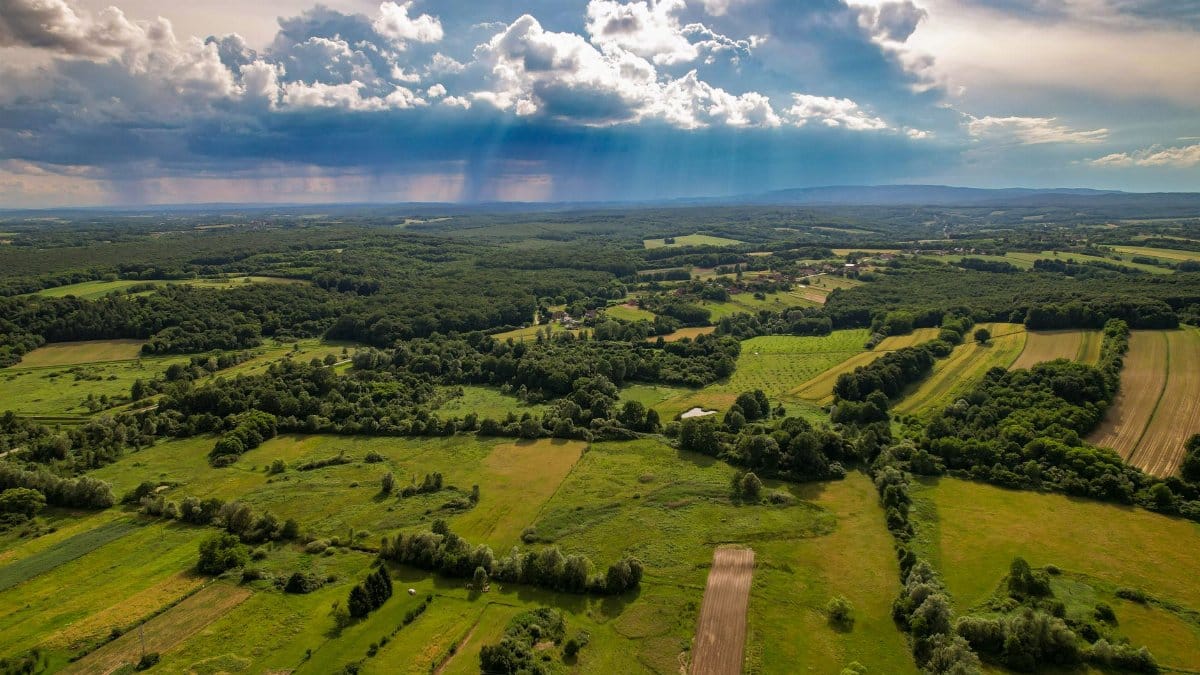
Federal agencies hold responsibility for coordinating responses to environmental threats across large territories. In this instance the Department of Government Efficiency became involved in reviewing proposals, which extended the timeline for approval. Observers note that such reviews can add layers of examination but sometimes stretch out the process beyond initial expectations.
Details from the Star Tribune Account

The published report outlines how initial drafts for protective steps sat without advancement for months. Community leaders in the region expressed frustration over the pause, citing visible buildup of flammable materials along trails and access routes. They argue that timely implementation could have lessened potential damage from any spark that might arise during peak dry periods.
Local Reactions to the Reported Delay

People living and working near the affected trails describe a sense of urgency that grew as summer approached. Firefighters and conservation staff prepared equipment and training sessions, yet the absence of final authorization limited full scale efforts. Some residents recall past seasons when quick action helped contain smaller incidents before they spread.
Environmental Factors Influencing Fire Risks
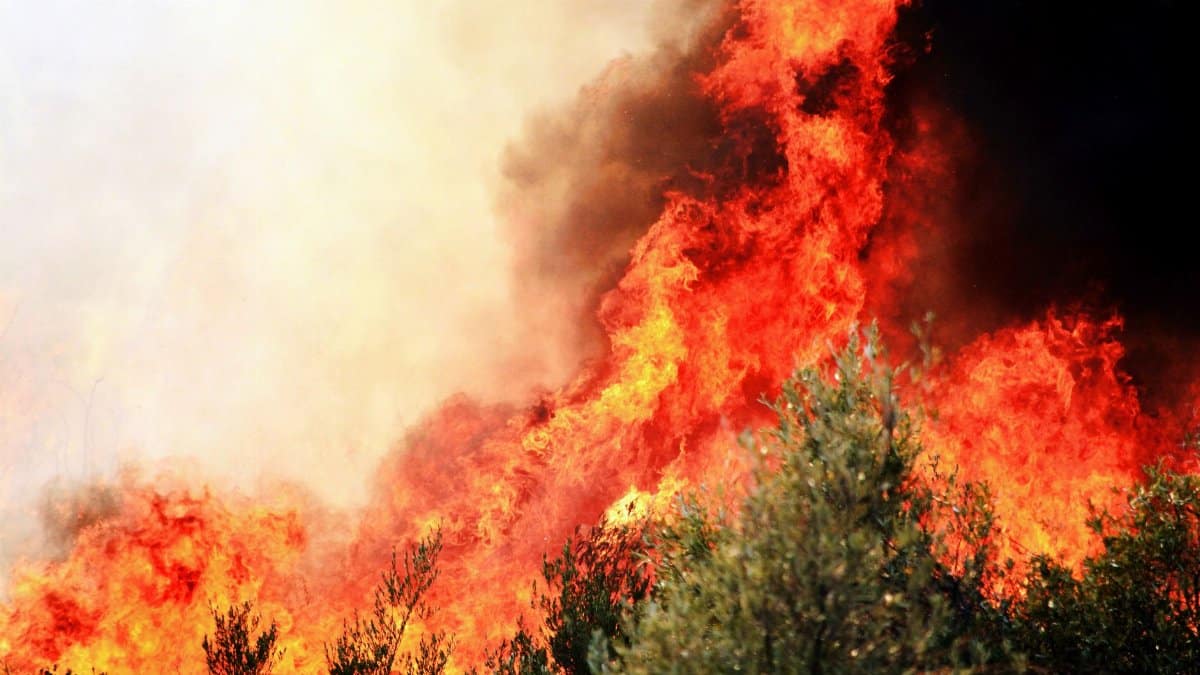
Thick forests in this part of the state contain layers of needles and fallen branches that serve as ready fuel under the right conditions. Changes in precipitation levels have left soils drier for longer stretches, allowing any ignition source to gain hold more rapidly. Experts emphasize that proactive clearing along key paths like those in the Echo Trail fire plan area forms a basic defense.
Broader Implications for Wilderness Protection

Delays in one location can signal patterns that affect similar sites across other states. Advocates for wilderness preservation stress the need for consistent funding and streamlined approvals so that plans move from concept to action without unnecessary pauses. The current case near Ely illustrates how efficiency reviews intersect with on the ground realities.
Potential Next Steps for the Echo Trail Fire Plan
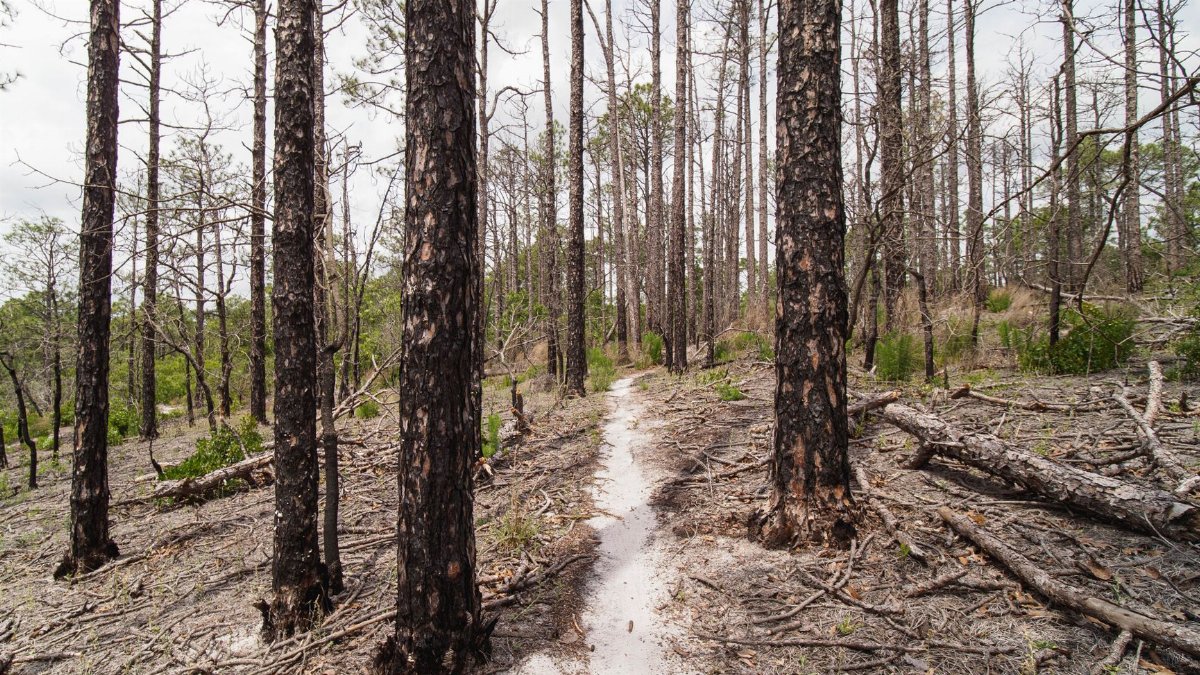
With attention now focused on the report, officials may revisit the timeline for the Echo Trail fire plan and seek ways to accelerate remaining reviews. Collaboration between local groups and federal offices could help identify practical adjustments while maintaining necessary safeguards. Continued monitoring of conditions along the trails remains essential as seasons change.
Public Awareness and Future Preparedness

Raising understanding among visitors and nearby communities supports overall resilience against wildfire threats. Educational efforts about safe practices in forested zones complement physical measures outlined in plans like the Echo Trail fire plan. Ongoing dialogue ensures that concerns from multiple perspectives receive consideration in decision processes.