
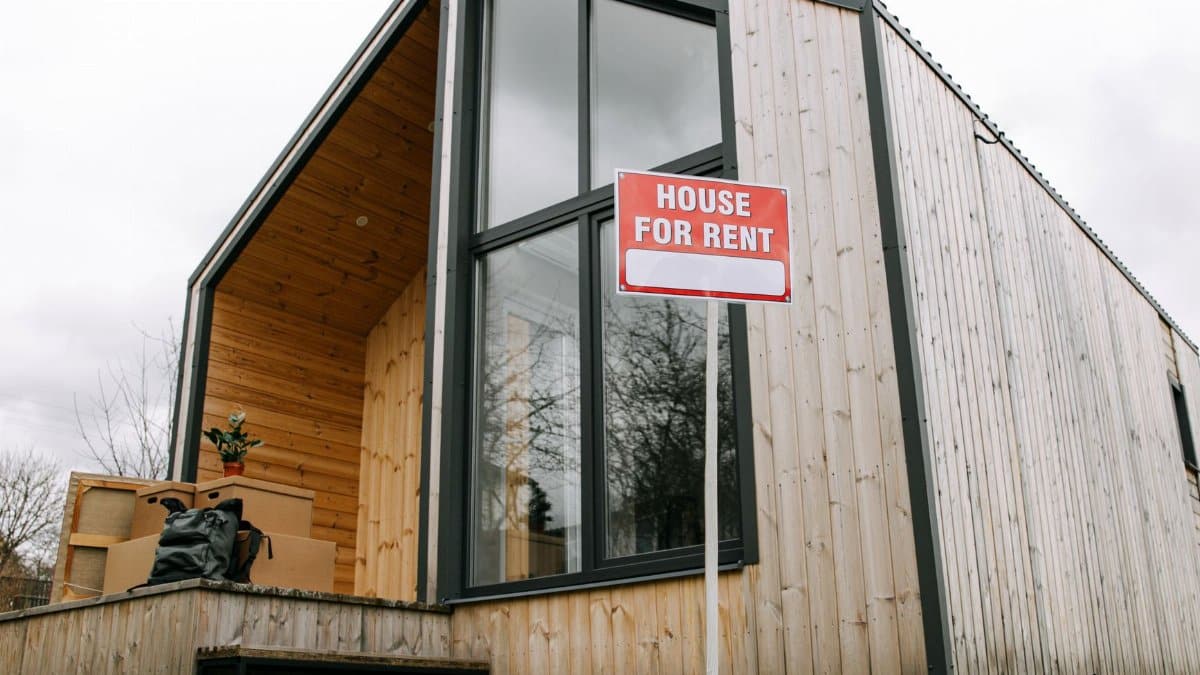
Gov. Maura Healey recently warned that rent control measures would stifle new apartment construction across the state at a time when housing shortages continue to drive up costs for families and individuals alike. Her remarks come amid ongoing debates in the legislature about how best to address affordability without discouraging builders from investing in new projects. Observers note that the governor has consistently prioritized production incentives over price caps in her approach to the crisis. This perspective aligns with broader economic analyses suggesting that strict limits on rents often lead developers to shift resources elsewhere. Healey rent control ideas have surfaced periodically in policy discussions but face resistance from those focused on expanding supply.
Current Housing Shortage Trends in the Region

Communities throughout Massachusetts report persistent gaps between available units and the number of residents seeking homes. Data from local agencies shows that vacancy rates remain low in many urban and suburban areas forcing prices higher each year. Officials argue that without more construction these imbalances will only grow more severe over time.
Why Production Matters More Than Price Caps

Advocates for increased building emphasize that adding units ultimately eases pressure on the entire market. Historical examples from other states indicate that rapid development can moderate rents naturally as options multiply for renters. In contrast caps tend to reduce the incentive for new investment according to several industry reports.
Legislative Debates Surrounding Affordability Measures

Lawmakers continue to weigh various proposals aimed at helping middle income households stay in their communities. Some bills focus on subsidies while others explore regulatory changes that could speed up permitting processes. The governor has urged caution with any policy that might slow momentum in construction activity.
Impact on Developers and Future Projects
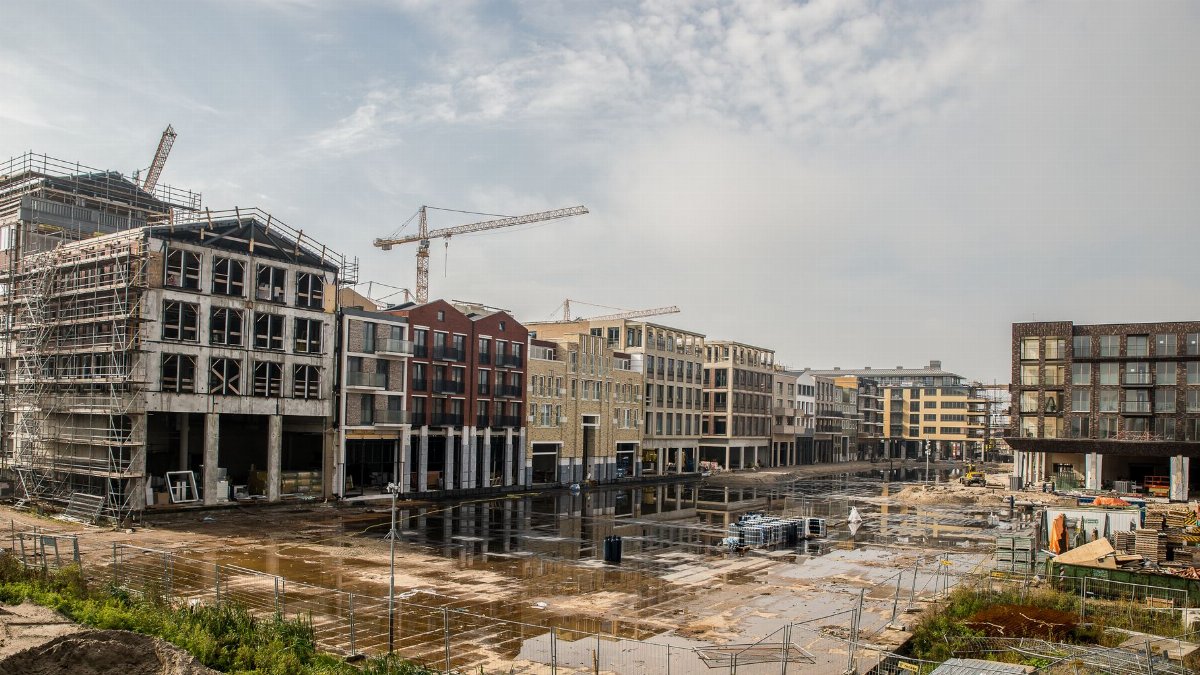
Construction firms often cite regulatory uncertainty as a barrier to launching new ventures. When potential returns appear limited by artificial constraints projects get delayed or canceled altogether. This pattern has played out in cities that adopted strict controls leading to reduced overall housing stock.
Perspectives from Local Residents and Advocates

Many longtime residents express frustration over rising monthly payments yet remain divided on solutions. Some favor immediate relief through caps while others support efforts to build more homes even if results take longer. Community meetings reveal a mix of urgency and skepticism about quick fixes.
Economic Studies on Rent Regulation Effects

Research from academic institutions frequently points to reduced maintenance and fewer upgrades in buildings subject to price limits. Owners may redirect funds away from properties when revenue growth is constrained. Such findings contribute to skepticism among policymakers about broad implementation.
Comparisons With Other States Approaches

States that avoided heavy regulation have seen stronger growth in housing units over the past decade. California and New York offer cautionary tales where controls coincided with persistent shortages despite high demand. Massachusetts leaders appear keen to avoid similar outcomes.
Potential Alternatives to Traditional Controls

Options like tax incentives for affordable units or streamlined approvals for multifamily developments receive increasing attention. These strategies aim to boost supply while preserving market signals that encourage investment. The governor has highlighted such measures in recent addresses.
Future Outlook for State Housing Policy

With population growth expected to continue officials stress the need for proactive steps that expand options rather than restrict them. Ongoing conversations in the state house may shape the direction for years ahead. Success will likely depend on balancing immediate concerns with long range goals.