

On a gray morning in Gloucester, a lobsterman checked the tide clock twice before he checked the price of fuel. Down the block, a school secretary printed bus routes she already knew by heart, then set them aside because the sky had other plans. Across docks, kitchens, and town offices, the same phrase kept arriving on phones and radios: New England storm warnings. For a region that treats September as a last stretch of open windows and late tomatoes, the language felt borrowed from January.
A winter playbook in early autumn

Officials did not invent a new script. They reached for the one they use when a nor’easter stacks rain, gusts, and coastal flooding into the same weekend. Sandbags appeared at fire stations. Public works crews moved generators closer to low intersections. Harbormasters told boat owners to double lines and to stop assuming that a fall storm would behave like a summer squall. The mood was practical rather than panicked, which is how New England often meets weather that refuses to stay in its season.
I have covered enough of these briefings to recognize the cadence. A meteorologist speaks in ranges. A town manager translates ranges into closed roads and overtime. A resident in the back row asks the only question that matters at home: will the lights stay on? This time the answers came with an apology of sorts. September is supposed to be gentler. The atmosphere did not get the memo.
What forecasters are actually watching

The pattern is familiar even if the calendar is not. A strong low pressure system deepens off the coast, pulls Atlantic moisture inland, and drives onshore winds that pile water against harbors from Connecticut to Maine. Rain is expected to be heavy and persistent rather than theatrical. Gusts may be strong enough to bring down limbs that are still fully leafed, which makes them heavier than the bare branches of March. Coastal flooding depends on timing. If the strongest winds meet a high tide, streets that usually flood only in named winter storms can take water again.
None of that is a promise of catastrophe. It is a description of risk. Forecasts shift as the center of the storm wobbles. A track fifty miles farther offshore can spare one harbor and soak another. Readers who want the official view should follow the National Weather Service rather than a screenshot from a neighbor. The agency posts updates at weather.gov, and those updates remain the cleanest public record of what is known and what is still a guess.
Why September feels like a category error

Nor’easters are not illegal in autumn. They are simply less common before the ocean and the continent have finished their seasonal argument. Cold air over land and relatively warm water offshore help these storms intensify. In late September that contrast is weaker than it will be in December, which is why a strong event stands out. People remember the outliers. They forget the quiet years, then treat the outlier as a verdict on the whole climate. Both habits distort the story.
What residents feel in their bodies is simpler. The light is still long. Kids are barely settled in classrooms. Farmers markets are full. A storm warning in that setting scrambles the emotional calendar. You can put on a raincoat. You cannot easily put away the sense that the season has been interrupted.
Rain that stays instead of passing through

Flashy thunderstorms announce themselves and leave. This kind of rain negotiates. It finds roof seams, basement drains, and the low spot in a driveway that looked fine in August. Urban streams rise faster than people expect because pavement does not absorb what a field would. In older mill towns, culverts built for a different century become the plot of the weekend.
Hydrologists tend to worry less about a single dramatic hour than about a long soak on ground that is already damp. If preceding days have been wet, rivers respond quicker. If they have been dry, the first inches disappear into soil and the later inches do the damage. That is why a regional warning can sound vague to someone standing in a sunny yard at noon. Weather does not owe every town the same afternoon.
Trees, wires, and the lights going out
Wind is the part that turns a wet weekend into a civic problem. New England’s canopy is beautiful and, in a gale, a liability. Leaves catch air. Roots in saturated soil hold less firmly. A single limb on a distribution line can darken a street. A dozen limbs can darken a town. Utilities will pre position crews, a phrase that means trucks and linemen waiting in parking lots for the moment it is safe to climb. Restoration is rarely fair. The last street on the circuit always feels forgotten.
Households that remember past outages already know the small humiliations: a refrigerator that becomes a countdown, a medical device that needs a plan, a phone that dies before the news does. The useful preparation is dull. Charge what you can. Know where the flashlights are. Do not run a generator indoors. Those instructions sound parental because they are the ones that prevent the injuries officials actually see.
Harbors, tides, and streets that become creeks
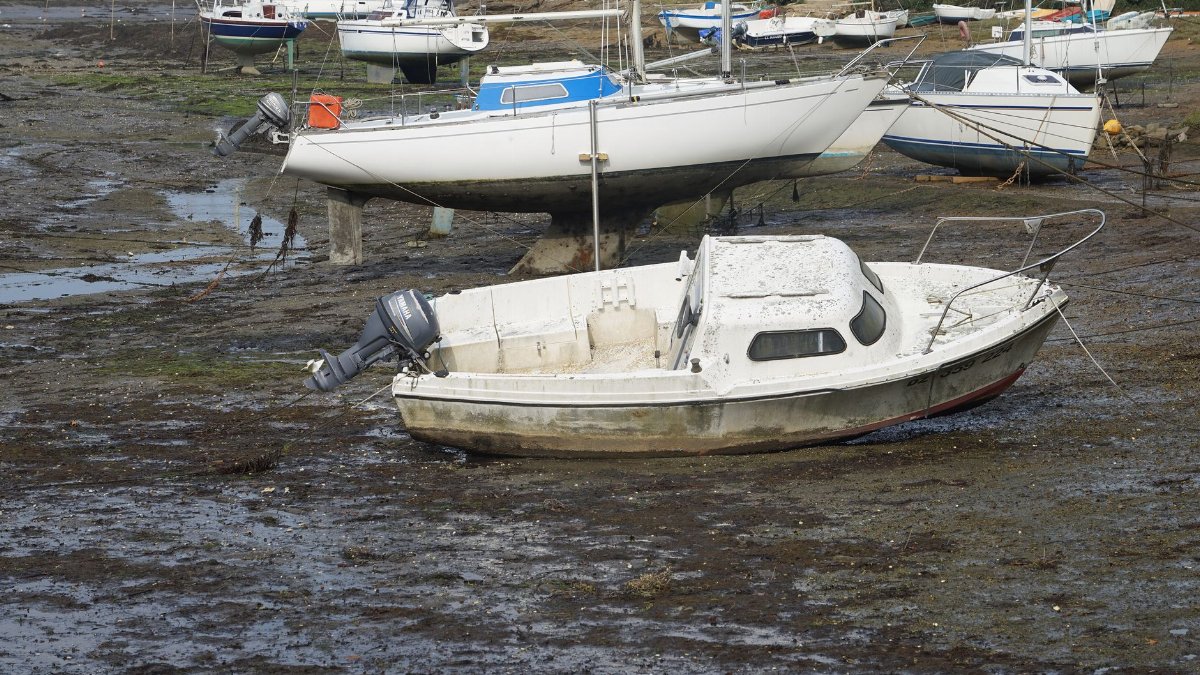
Coastal flooding in this region is often less about towering surf than about water with nowhere to go. Seawalls overtop. Storm drains flow backward. Parking lots near the harbor turn into shallow bays. In places like Scituate, Portland, and New London, residents can point to the exact curb where the Atlantic starts to argue with the town. A September event does not need a historic crest to disrupt ferry schedules, close a shoreline road, or lift a float off its pilings.
Timing is the quiet variable. A surge that peaks at mid tide may look manageable in photographs and still ruin basements. A surge that peaks with the moon’s pull can rewrite a waterfront for a day. Mariners watch that clock more closely than inland commuters do. The rest of us mostly notice when the usual route to work is a pond.
How New England storm warnings travel
A warning is not a mood. It is a product of observations, models, and thresholds that forecasters apply with more caution than social media does. Watches mean conditions are possible. Warnings mean they are expected or underway. Coastal flood statements, wind advisories, and high surf alerts can stack on the same map until a phone buzzes itself silly. The National Weather Service explains those products in plain language on weather.gov, which is worth reading once so the vocabulary is not new in the dark.
Local emergency managers then decide what the words require. A school superintendent may cancel after school sports while keeping classrooms open. A mayor may close a causeway and leave the highway alone. Those calls look inconsistent from a distance and often make sense up close. Topography is local. So is politics, staffing, and the memory of the last time someone waited too long.
Commutes, classrooms, and canceled plans

Airports hate low clouds and crosswinds. Highways hate standing water in the left lane at rush hour. Parents hate the group text that arrives at 5 a.m. with a two hour delay and no childcare attached. None of this is dramatic enough for a movie. All of it is how a storm enters ordinary life. Employers who can offer remote work will rediscover a flexibility they advertise in fair weather. Hourly workers without that option will drive anyway, which is the inequity these weekends always expose.
Schools sit in the middle. Buildings can be safe while bus routes are not. Athletic fields flood while classrooms stay dry. The decision to close is never only about meteorology. It is about whether a district can get children home if the second half of the day turns worse than the first. Families planning weddings, road races, and last beach weekends will resent the uncertainty. Resentment does not move a low pressure system.
The short list officials keep repeating

Advice during New England storm warnings is repetitive because people keep needing the same reminders. Stay off exposed coastal rocks for the photograph. Do not drive through water if you cannot see the road. Secure lawn furniture before it becomes someone else’s roof damage. Check on neighbors who live alone, especially those who rely on electric medical equipment. If you evacuate a flood prone block, leave early enough that you are not the car creating the traffic jam you feared.
There is also a media hygiene problem. A single model run shared without context can look like destiny. Officials spend as much time swatting rumors as filling sandbags. If a number sounds precise and frightening and does not appear on a government feed, treat it as entertainment until it does. Fear is a poor editor.
Rooms that open when the weather closes in

In many towns the first extra space is not a government warehouse. It is a church hall, a synagogue basement, a parish kitchen that already knows how to feed a crowd. Congregations that argue about plenty of things tend to agree about cots, coffee, and a dry floor. That work is not mystical. It is logistical, and it matters when a Red Cross shelter is miles away and a neighbor needs a outlet for a nebulizer tonight.
Spiritual communities also carry memory. They have buried people after worse storms and married people in the calm that followed. A rare September blow does not require a sermon to justify attention. It does remind a region that institutions built for Sundays often become infrastructure on Saturdays. The trend, if there is one, is not toward prophecy. It is toward towns that still know how to unlock a door.
What the record can and cannot say
Climate scientists have documented changes in heavy precipitation across the Northeast, and NOAA summarizes those observations in its state climate summaries at ncei.noaa.gov. Warmer air can hold more moisture. Coastal water levels are higher than they were a century ago, which gives storm tides a head start. Those are background facts, not a caption for this weekend’s radar loop. One nor’easter does not prove a trend. A trend does not excuse sloppy preparation for the storm in front of you.
Honest coverage holds both ideas at once. The seas are changing. This particular low still has to be forecast hour by hour. Readers deserve neither shrug nor apocalypse. They deserve the range, the confidence, and the places where confidence runs out.
Memory as a kind of equipment

Ask around and the stories arrive with street names. The year the seawall failed. The ice that followed the rain. The week the hardware store ran out of sump pumps. Memory is uneven. Newcomers hear New England storm warnings as an abstraction. Old timers hear them as a checklist they wish they had followed sooner. Neither group owns the forecast. Both live with the consequences if gutters clog and branches fall.
There is a temptation, in feature writing, to call this resilience and move on. Resilience is often just people doing unpaid labor until the trucks arrive. It is also skill. Knowing which window leaks, which neighbor cannot climb stairs, which road floods from the marsh side rather than the river side: that knowledge is as useful as any app. Towns that write it down fare better than towns that store it in one person’s head.
The weekend still has to happen

By Friday night the maps will be sharper and the arguments online will be louder. Some forecasts will verify. Some will embarrass the people who shared them with too much certainty. Rain will find the houses that skipped the last round of maintenance. Wind will spare streets that braced for the worst and punish streets that did not. That unevenness is the ordinary injustice of weather. It is also why warnings exist: not to guarantee an outcome, but to move decisions earlier, when they are cheaper.
A rare September nor’easter will not redefine New England. It will interrupt it. The tomatoes can wait. The tide will not. Somewhere a lobsterman will check the clock again, and a school secretary will decide whether the buses roll. Between those two gestures sits the whole public meaning of a storm: information, memory, and the unglamorous choice to prepare before the sky makes the choice for you.