
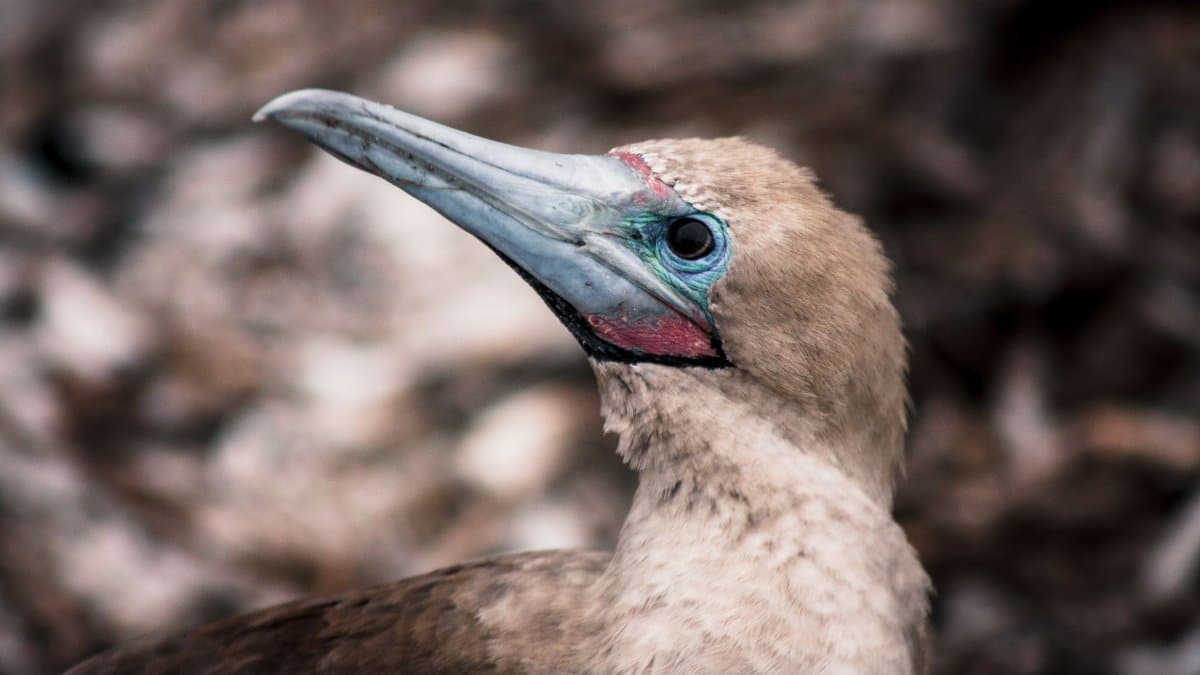
On a quiet morning near the mouth of the Severn River an Annapolis sailor watched a striking seabird with bright red feet settle onto the deck of his vessel. The creature showed little fear as it rode along for several miles before lifting off toward open water. Such an event drew quick attention among local naturalists because a red footed booby chesapeake bay appearance is far outside the species normal range near the equator. Observers noted the birds crisp white plumage and distinctive face markings that confirmed its identity beyond doubt. The date June 21 placed the encounter at the height of the regions boating season when many residents were already on the water. News of the visit spread through marinas and wildlife forums prompting questions about shifting ocean conditions and the resilience of tropical species.
Details of the June Encounter

The sailor described the bird landing with precision and then tucking its head beneath a wing as if resting after a long flight. Photographs taken at close range were shared with regional ornithologists who verified the species within hours. The animal appeared healthy and showed no signs of injury or exhaustion that might explain its presence so far from typical habitat. After several miles it departed without assistance returning to the sky in a single strong climb.
Background on the Species

Red footed boobies spend most of their lives over warm tropical seas where they dive for fish and squid. Adults measure roughly two feet in length with wingspans that allow efficient travel across open water. Their bright feet serve as signals during courtship displays on remote islands. Populations remain stable in core areas yet individuals occasionally wander when storms or food shortages alter normal routes.
Possible Reasons for Northern Travel

Changing sea temperatures can push prey species farther from the equator drawing seabirds along unusual paths. Strong weather systems may also carry young or inexperienced birds outside familiar zones. In this case prevailing winds during the preceding week aligned with the birds arrival suggesting it rode favorable currents rather than fighting its way north by choice.
Local Birding Community Response
Area enthusiasts gathered at waterfront parks hoping for another glimpse though none appeared in the following days. Experienced observers compared notes with records from past decades and found only scattered reports of similar wanderers. The event quickly became a topic at evening gatherings where sailors recounted their own sea life stories alongside this new tale.
Connection to Larger Environmental Shifts

Scientists tracking seabird movements note gradual poleward shifts among several tropical species. Data from satellite tags reveal longer foraging trips during warmer years. While a single sighting does not prove ongoing change it adds to a growing list of observations that merit continued attention from monitoring programs along the mid Atlantic coast.
Public Interest and Educational Value

Schools in Anne Arundel County incorporated the story into summer nature programs allowing students to examine maps of bird migration routes. Local libraries displayed related books on seabirds and ocean currents. The episode served as a reminder that even familiar waters can host surprises when conditions align.
Future Monitoring Efforts

Regional wildlife agencies plan to increase surveys during peak boating months. Volunteers will log any further unusual sightings and forward photographs for expert review. Such grassroots participation helps build a clearer picture of how often tropical visitors reach these latitudes and under what circumstances they succeed in returning home.