
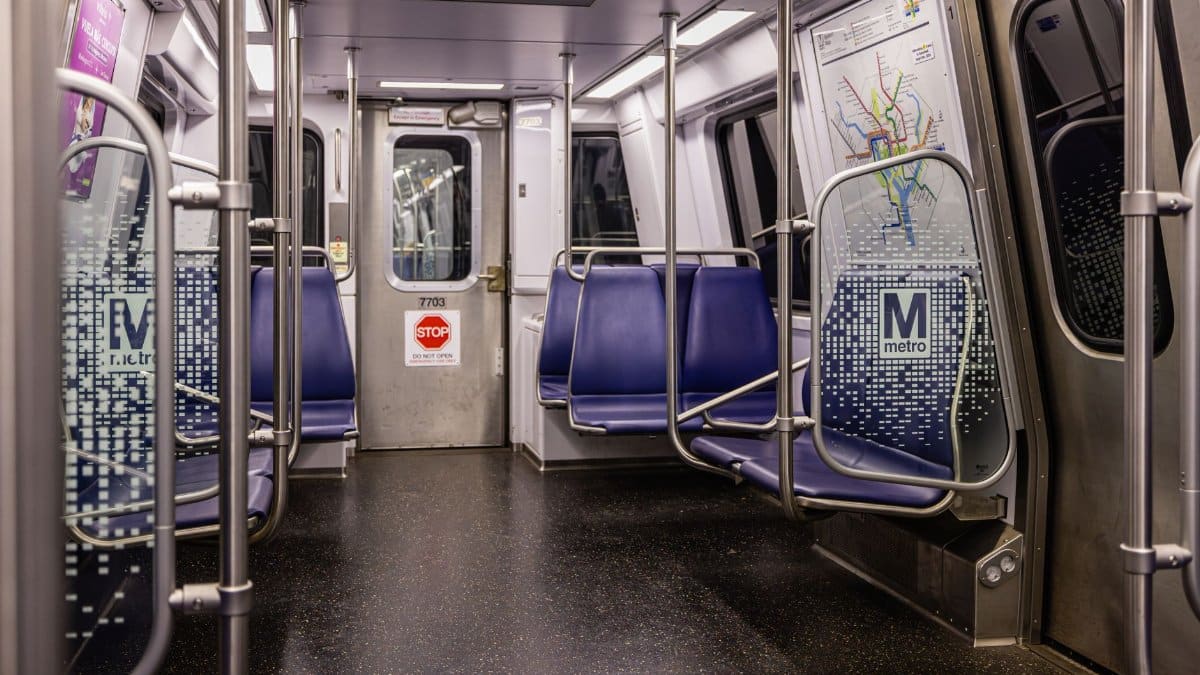
In the Twin Cities region public transit proposals tend to divide opinions along many lines. Local residents have shared a range of views on how best to improve mobility without creating new burdens. The Blue Line extension opposition reflects worries about expense and change in established neighborhoods. Many point to existing bus routes as sufficient for daily needs while others seek investment in roads or bike paths instead. This debate draws from practical experiences of daily commuters who navigate current systems every day.
Resident Voices on Daily Impacts

People living near proposed routes describe how construction could interrupt access to shops and medical offices for months at a time. Families worry about noise and dust affecting children during outdoor play. Several note that light rail stops might bring more foot traffic but also require careful planning to avoid crowding on narrow sidewalks.
Financial Burdens for Taxpayers
Critics highlight the scale of public spending required for new tracks and stations. They argue that funds could support more flexible options like expanded bus fleets that reach wider areas. Some residents recall past projects that exceeded initial estimates and led to higher local taxes over time.
Alternative Transit Ideas
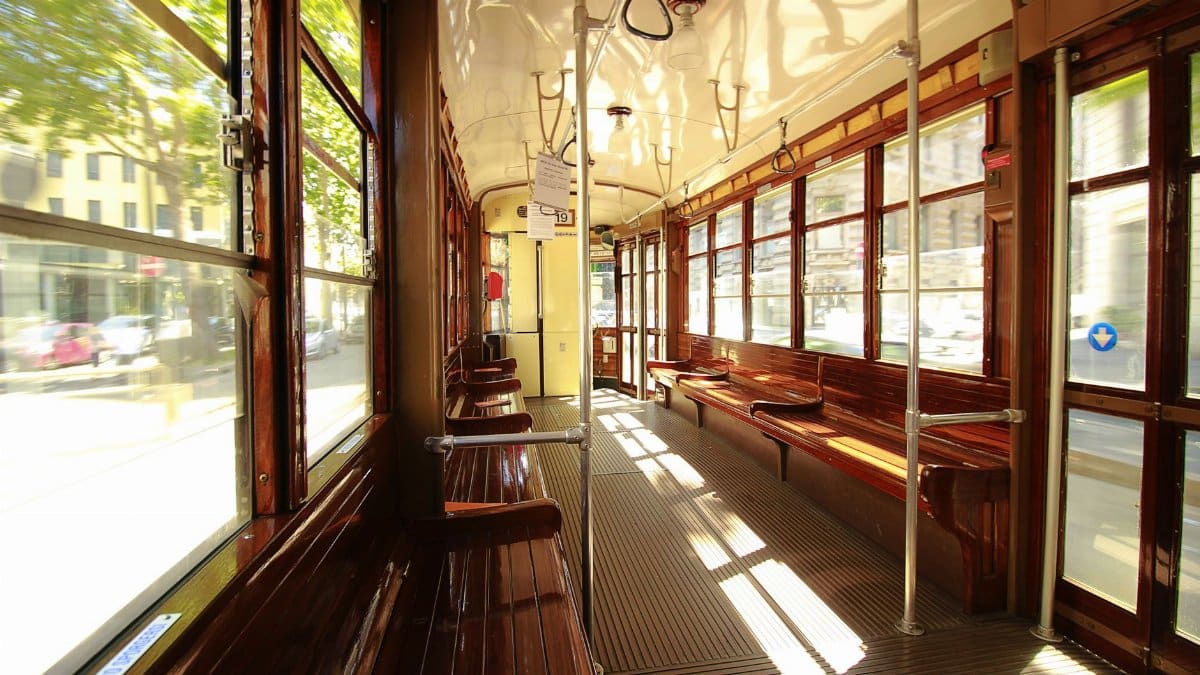
A number of readers suggest improving current bus schedules and adding express lanes on highways. Others propose dedicated paths for electric scooters or better connections between suburbs and downtown areas. These approaches appear less disruptive to existing homes and businesses according to their advocates.
Effects on Local Businesses
Shop owners along potential corridors express concern that road closures during building phases could reduce customer visits. Some fear permanent shifts in traffic patterns that might favor larger retail centers over smaller establishments. Community groups have started collecting signatures to request more input sessions before any final decisions.
Environmental Considerations
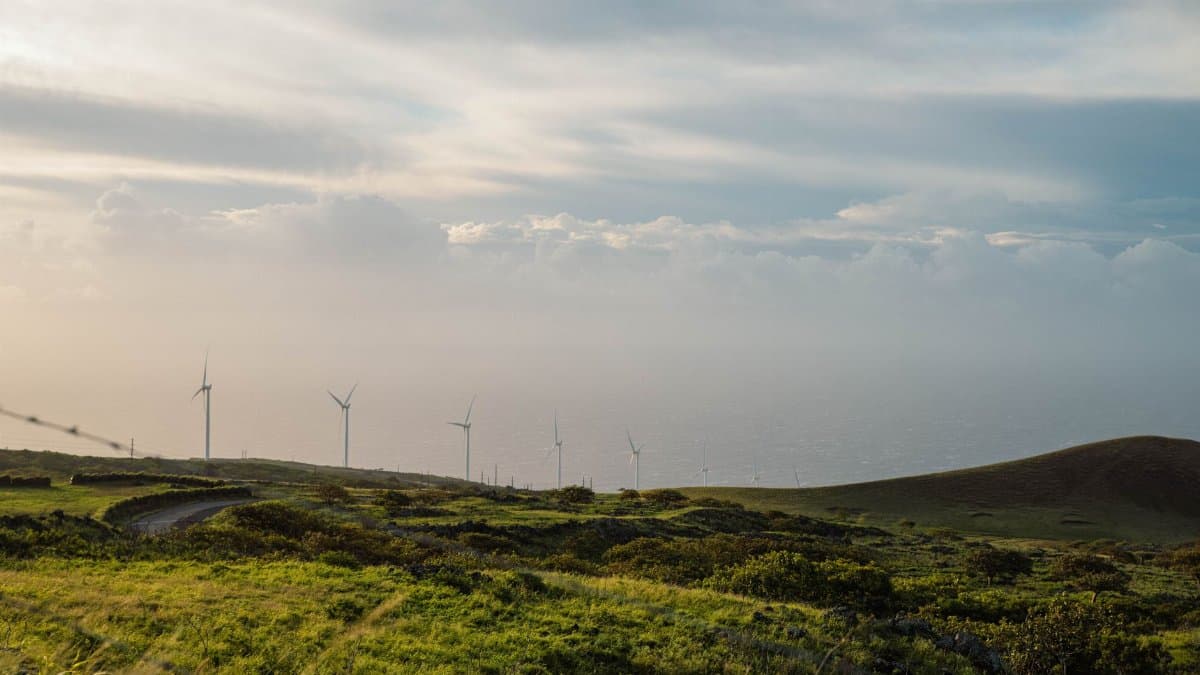
While transit expansions often aim to cut emissions a few question whether the full lifecycle of new rail lines justifies the upfront resource use. They point to the need for ongoing maintenance and power sources that still rely on traditional grids in many cases.
Equity Across Neighborhoods
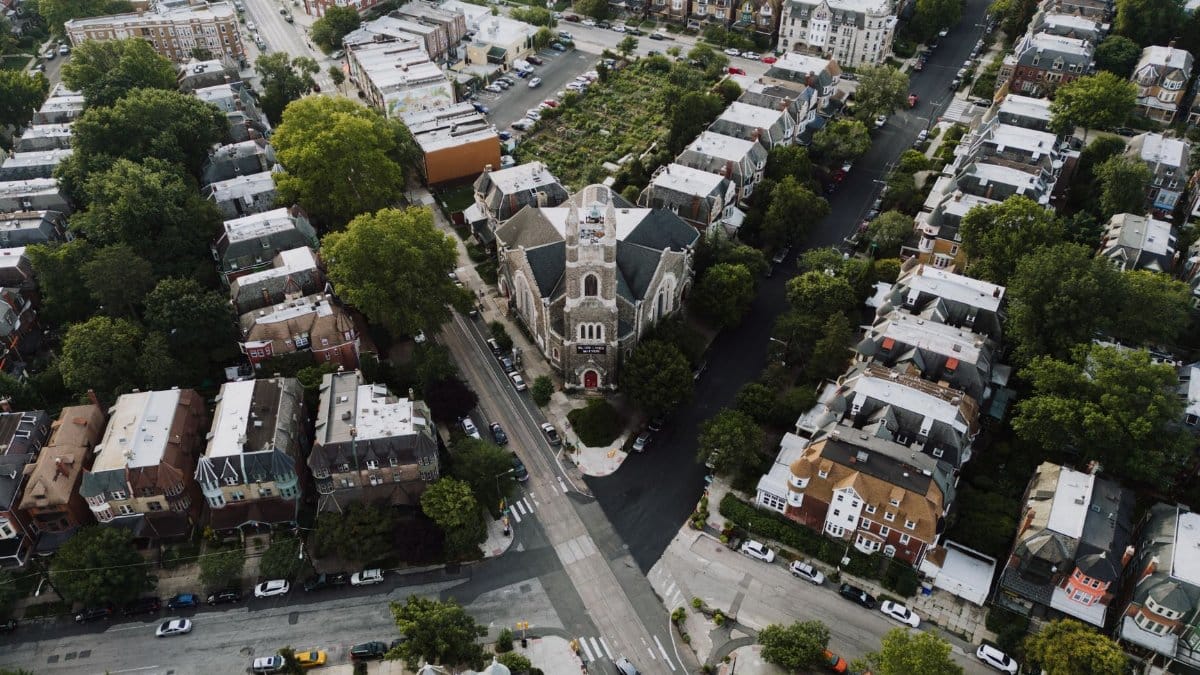
Discussions also touch on how benefits might distribute unevenly with some areas gaining service while others see little change. Advocates for balanced growth call for studies that examine access for lower income households who rely on multiple transfer points today.
Historical Lessons From Past Projects

Observers draw parallels to earlier rail additions that faced similar pushback yet proceeded with mixed results. Property values in some zones rose while others experienced turnover among long term residents. These patterns inform current caution among those who have followed regional planning efforts closely.
Calls for More Public Input
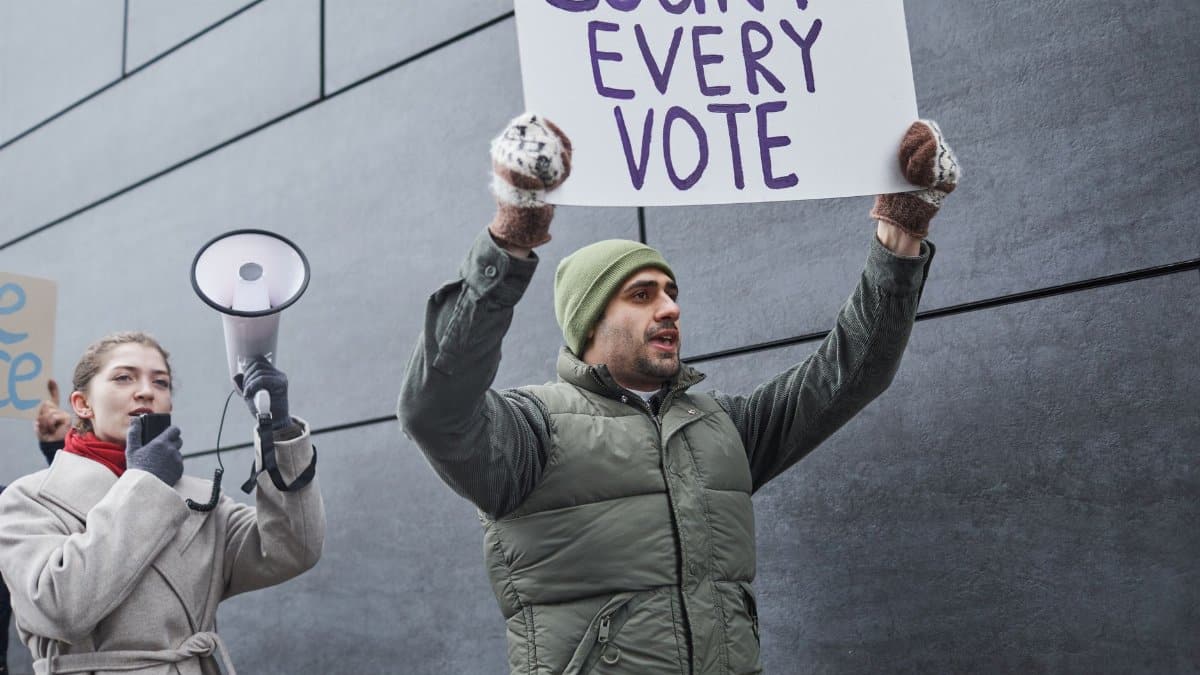
Many urge officials to hold additional forums where detailed maps and cost breakdowns can be reviewed together. This step could clarify tradeoffs and allow adjustments based on direct feedback from affected parties rather than top down plans alone.